Some medical cargo is dangerous goods before it is urgent.
Diagnostics, samples, reagents and equipment often fall inside the IATA hazard classes, particularly infectious substances and lithium batteries in powered devices. Getting the classification right at enquiry stage is what keeps the shipment moving.
Temperature control frequently applies as well, which means the aircraft, the handling stations and the unit type all have to suit the profile. We confirm each operator's approvals and the receiving station's capability before contracting.
Medical Charter FAQs
The questions we are asked most about medical cargo and medical flights.
Often. Diagnostics, samples, reagents and equipment often fall inside the IATA hazard classes, particularly infectious substances and lithium batteries in powered devices. Getting the classification right at enquiry stage is what keeps the shipment moving.
Yes. The aircraft, the handling stations and the unit type all have to suit the temperature profile, so we confirm each operator's approvals and the receiving station's capability before contracting.
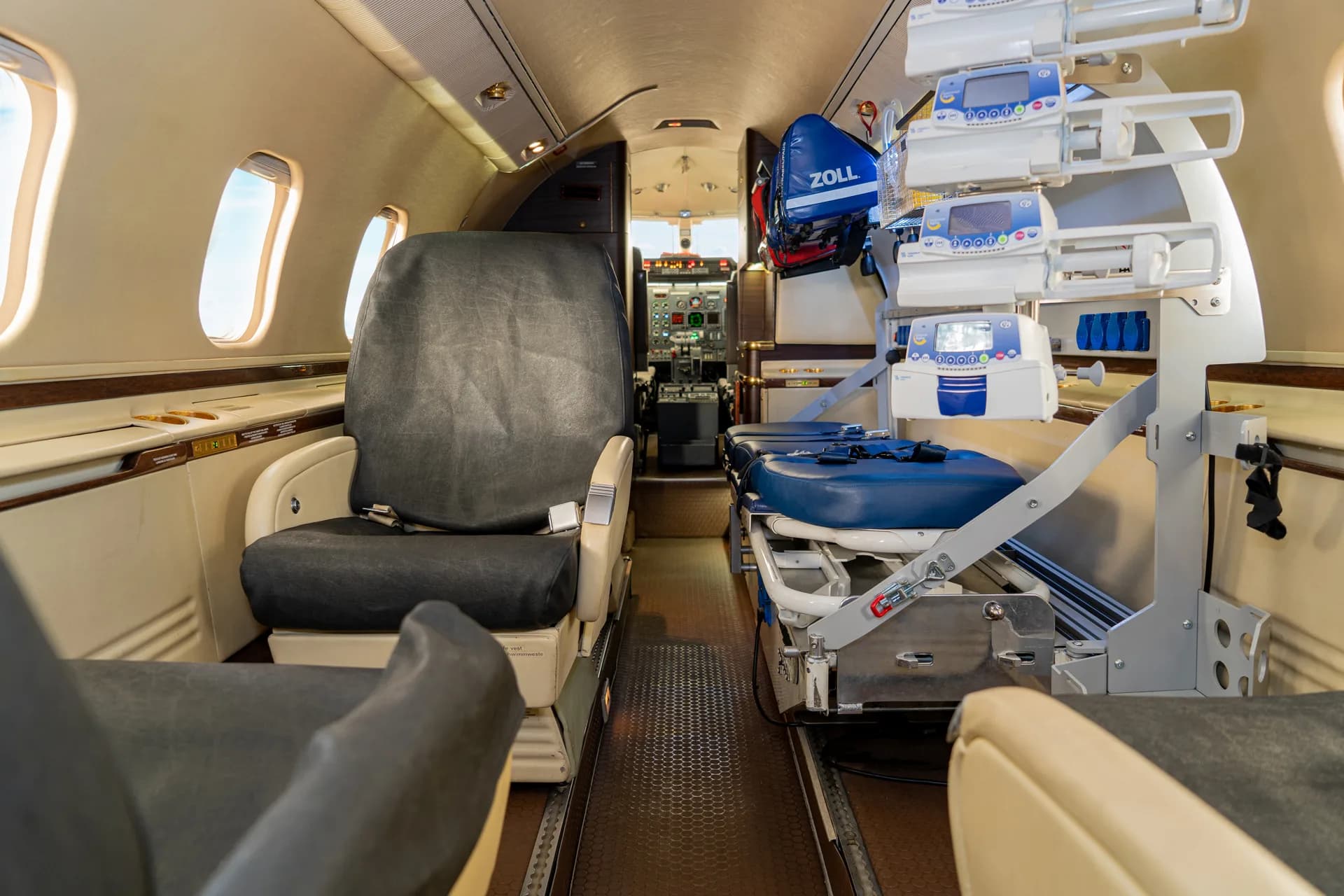
Yes, with a medically configured aircraft and a clinical crew, or as a medical escort on a scheduled flight where that is clinically appropriate and considerably cheaper. The clinical requirement decides the aircraft, so the first conversation is usually with the treating team.
Faster than any published limit suggests, and nobody should quote you one. The Council of Europe's guide declines to set optimal cold ischemia times, because fixed numbers cause usable organs to be discarded. We plan to the clinical team's window, not to a table.