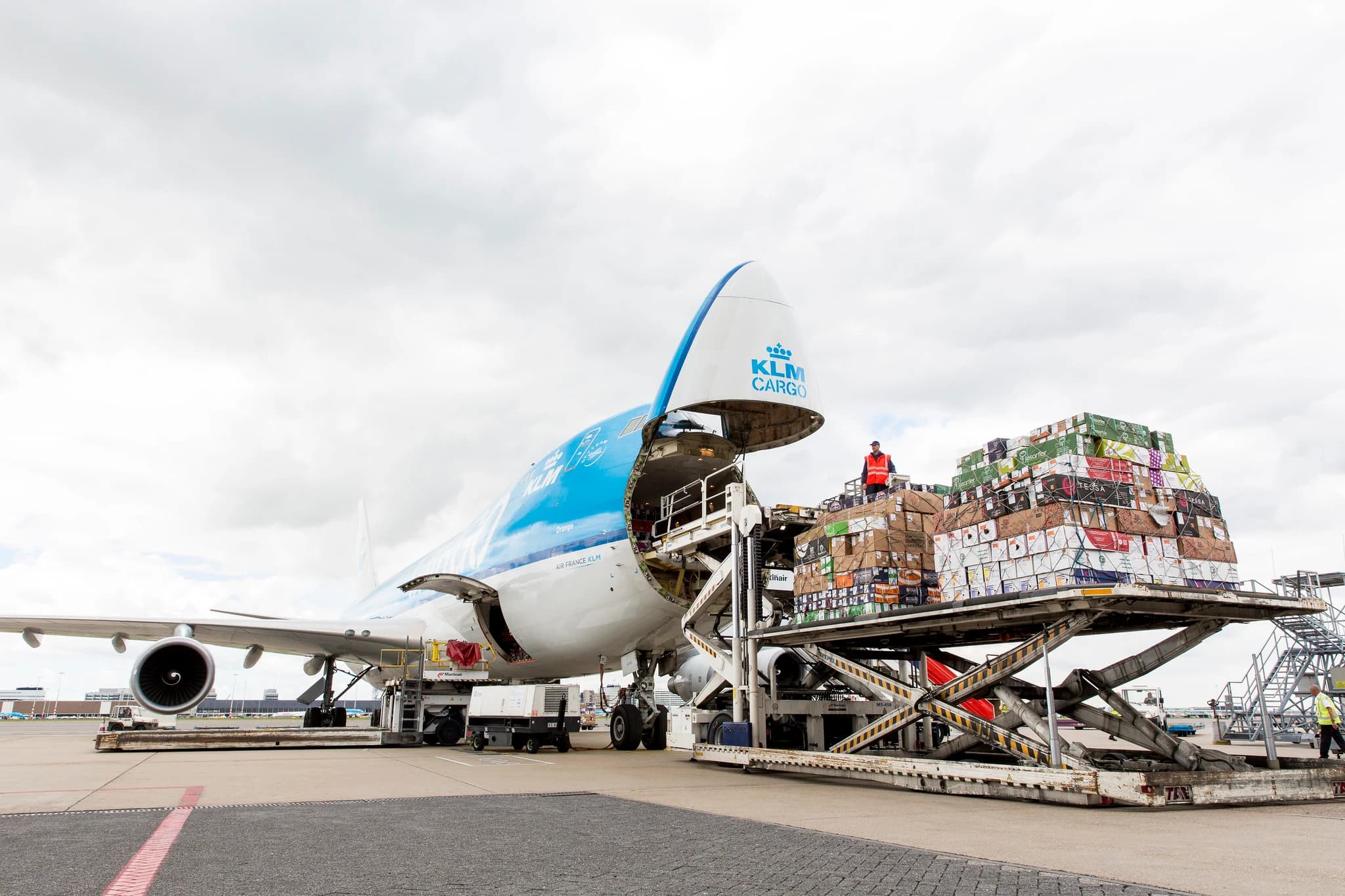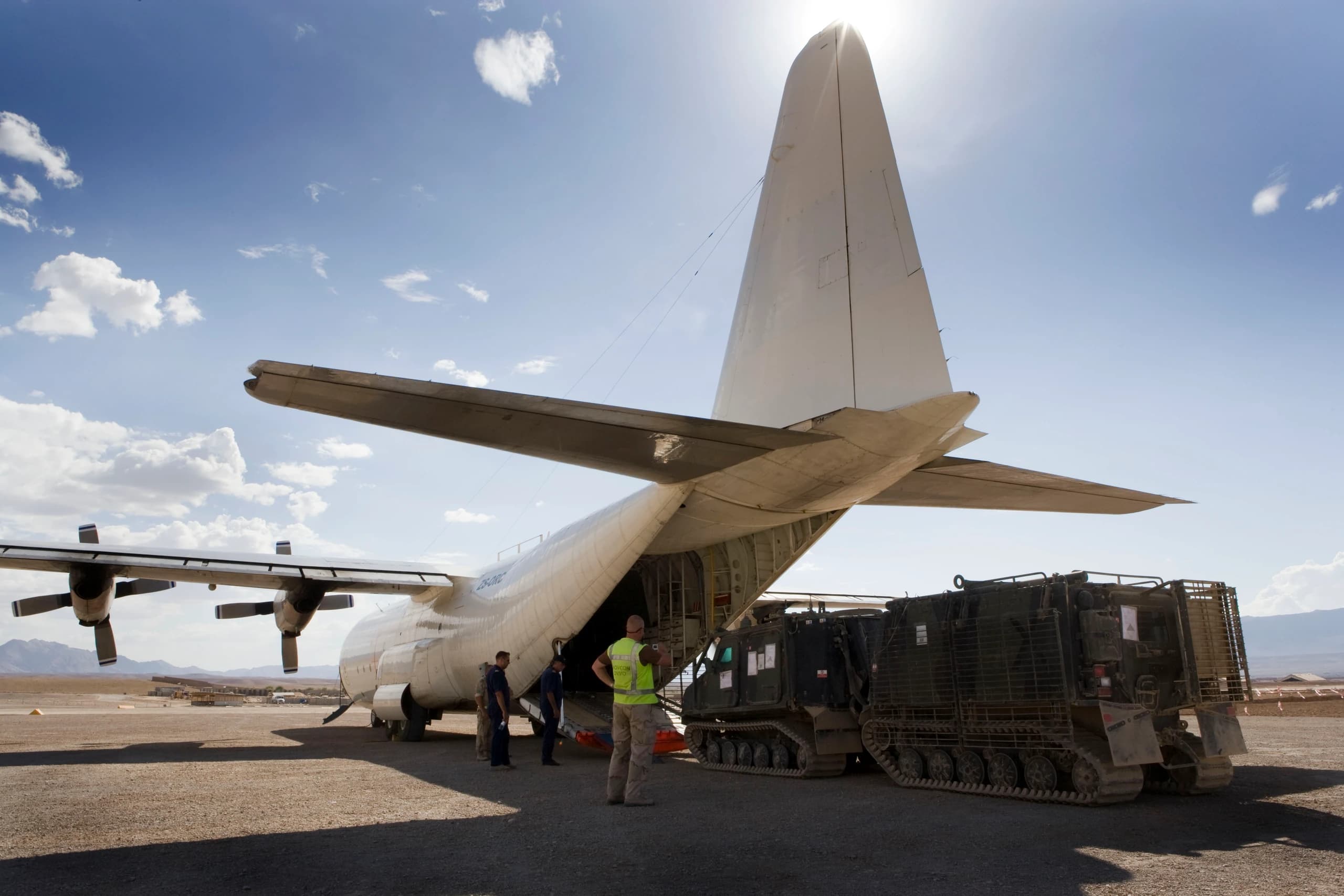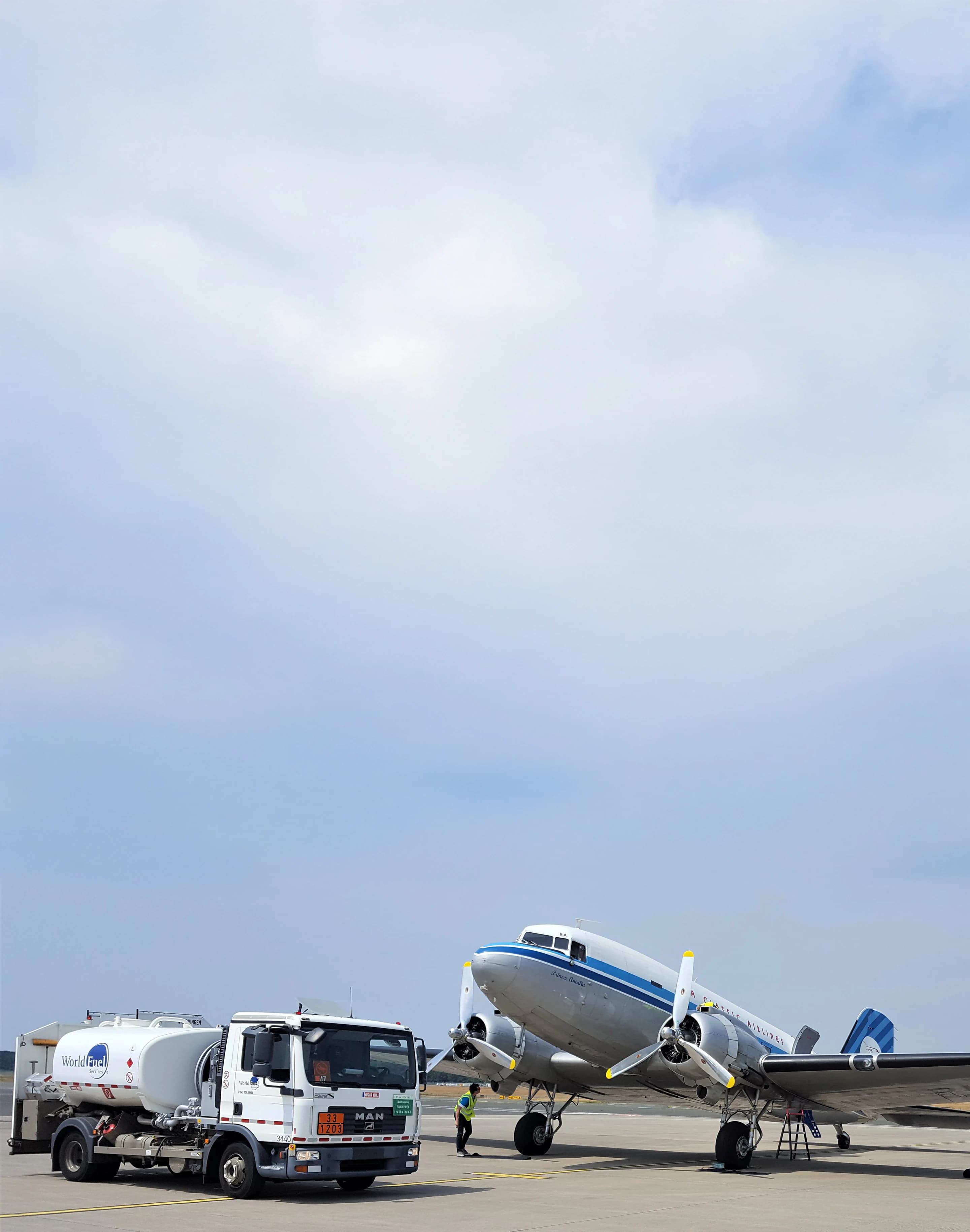
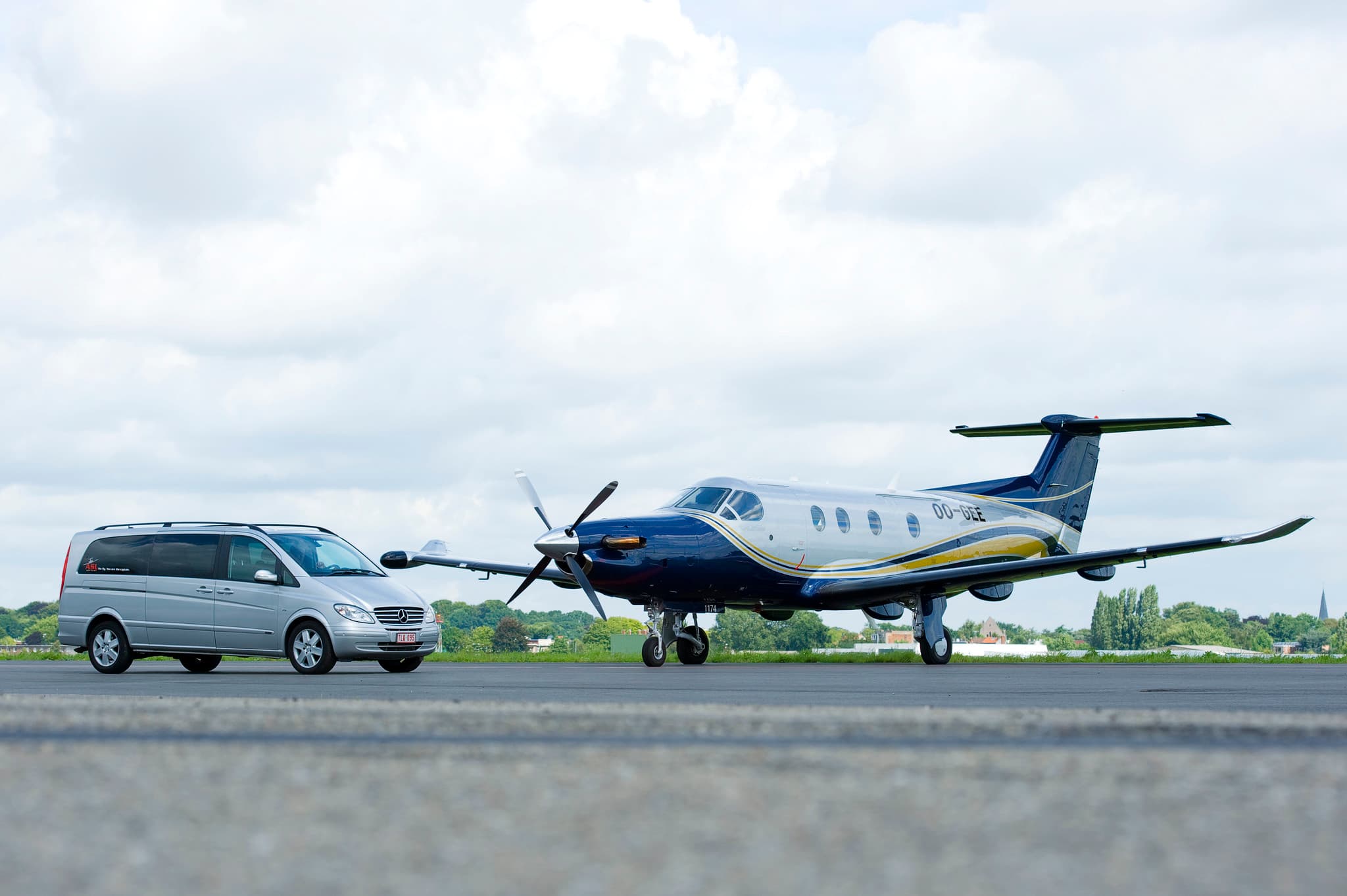


Four situations we're called into
The compliance burden falls the same way regardless of fleet size or how the trip came about.
A corporate flight department
Two or three aircraft and no dedicated permits function.
An operator going somewhere new
The lead times and the customs rules are unfamiliar.
A charter operator
Needing overflow support when your own team is at capacity.
A one off ferry, delivery or positioning flight
A maintenance or delivery leg that nobody has time to plan properly.
The thresholds that make an aircraft Part-NCC: MTOM over 5,700 kg, more than 19 passenger seats, a minimum crew of two pilots, turbojet engines, or more than one turboprop. Any one of them is enough.
Three permissions people treat as one
Three separate approvals decide whether you can operate a trip, from three different bodies, on three different timescales. Holding one and not the others grounds you just as effectively as holding none. Most delayed trips we are asked to rescue turn out to be a gap between them.
Safety authorisation
EASA TCO authorisation, needed by any non EU certificate holder carrying passengers or cargo for reward into EASA territory. Minimum 30 days before you start, valid across 31 states, and issued for an unlimited duration. Not needed to overfly without landing.
State permission
Overflight and landing permits, issued by each state you touch, on each state's own lead time. TCO does not get you one and does not replace one. They are separate gates with separate authorities.
Airport permission
A slot at a coordinated airport, prior permission at a smaller one, and a handling booking. Three different things, commonly booked as if they were one. A slot is not a PPR and neither is a handling confirmation.
Tell us the routing and we will tell you which three apply.
Who flight support is for
If you hold an Air Operator Certificate you probably have a permits desk. If you do not, you almost certainly do not, and the compliance burden is not much smaller.
Any turbojet aircraft flown non commercially is a complex motor powered aircraft under EASA rules, whatever it weighs. That puts a Phenom 100 in the same regulatory category as a Global. It means Part-NCC: a declaration to your authority, a safety management system, an operations manual, an approved minimum equipment list for each aircraft, and specific approvals for things like RVSM and PBN.
What it does not come with is an airline back office. That is the gap we fill: permits, slots, handling and the paperwork that decides whether a trip happens on the day you planned it.
What is changing at the border right now
- EES has been fully operational at all external Schengen crossing points since 10 April 2026, with more than 145 million entries and exits recorded. Passport stamping has been replaced by biometric registration for in scope travellers.
- Crew holding a Crew Member Certificate are exempt from EES registration under ICAO Annex 9. Crew members without one are registered like passengers, which means the 90 days in 180 clock starts running against them. Corporate and Part-NCC crews frequently do not hold a CMC, because they are typically issued by scheduled airlines.
- It is expected in the last quarter of 2026, with a transitional period and then a grace period before full enforcement. The practical questions for business aviation, including who counts as a carrier at a terminal with no boarding gate, are genuinely unresolved. We are tracking it.
Flight Support FAQs
No official EU guidance for general aviation exists on several of these questions. Where that's the case, we say so rather than guess.
It depends entirely on the states on your routing, and there is no standard. Three working days in the Czech Republic, ten working days for an occasional general aviation clearance in Belgium, three weeks for a United Kingdom government aerodrome. Working days, not calendar days. Tell us the routing and we will give you the real dates.
No, and this is the most common and most expensive misunderstanding in the category. The UK AIP states it explicitly: permission to use a government aerodrome must be obtained from the operating authority before landing, and filing a flight plan does not constitute prior permission. The two are unrelated processes.
Only if you hold a non EU air operator certificate, you are carrying passengers or cargo for remuneration, and you intend to land in EASA territory. Overflight without landing does not require it. Genuinely private non commercial flights fall outside it. Apply at least 30 days before you start operating.
Yes. TCO is EASA's safety authorisation. Overflight and landing permits are issued by each individual state, on its own lead time, by a different authority. Holding one without the other grounds you. They are two separate gates and they are frequently confused.
No. A slot at a coordinated airport is allocated by an independent coordinator. Prior permission is granted by the aerodrome operator. A handling booking is a commercial arrangement with a handler. Three approvals, three parties, and a trip needs whichever of them apply.
No. The first point of entry has to be an authorised border crossing point, and the list is shorter than most people expect. Belgium has six. Picking a convenient airfield close to the destination and discovering it cannot clear an international arrival is a common way to gain an unplanned extra sector.
Crew holding a Crew Member Certificate are exempt from registration under ICAO Annex 9. Crew without one are registered like any traveller, with the 90 in 180 day limit applying. Business aviation crews often do not hold a CMC, so this is worth checking before it becomes a problem at a border desk.
Yes. EU ETS and CORSIA place monitoring, reporting and verification obligations on the operator regardless of whether the operator has anyone whose job that is. For a Part-NCC department without a compliance function, this is one of the more useful things to hand over.
Our Air Charter Services
Flight support is one of six things we do. If you need cargo, passenger or private charter, a special mission or an aircraft on a wet lease, we handle those too.