What is an air cargo charter, and when is it the right choice?
An air cargo charter is the hire of an entire aircraft's capacity for a single shipment, contracted directly with the operating airline rather than booked onto a scheduled service. Fliteline acts as the broker: we assess loadability, source the aircraft, negotiate the contract, arrange permits, slots and handling, and oversee the flight.
The cargo doesn't fit
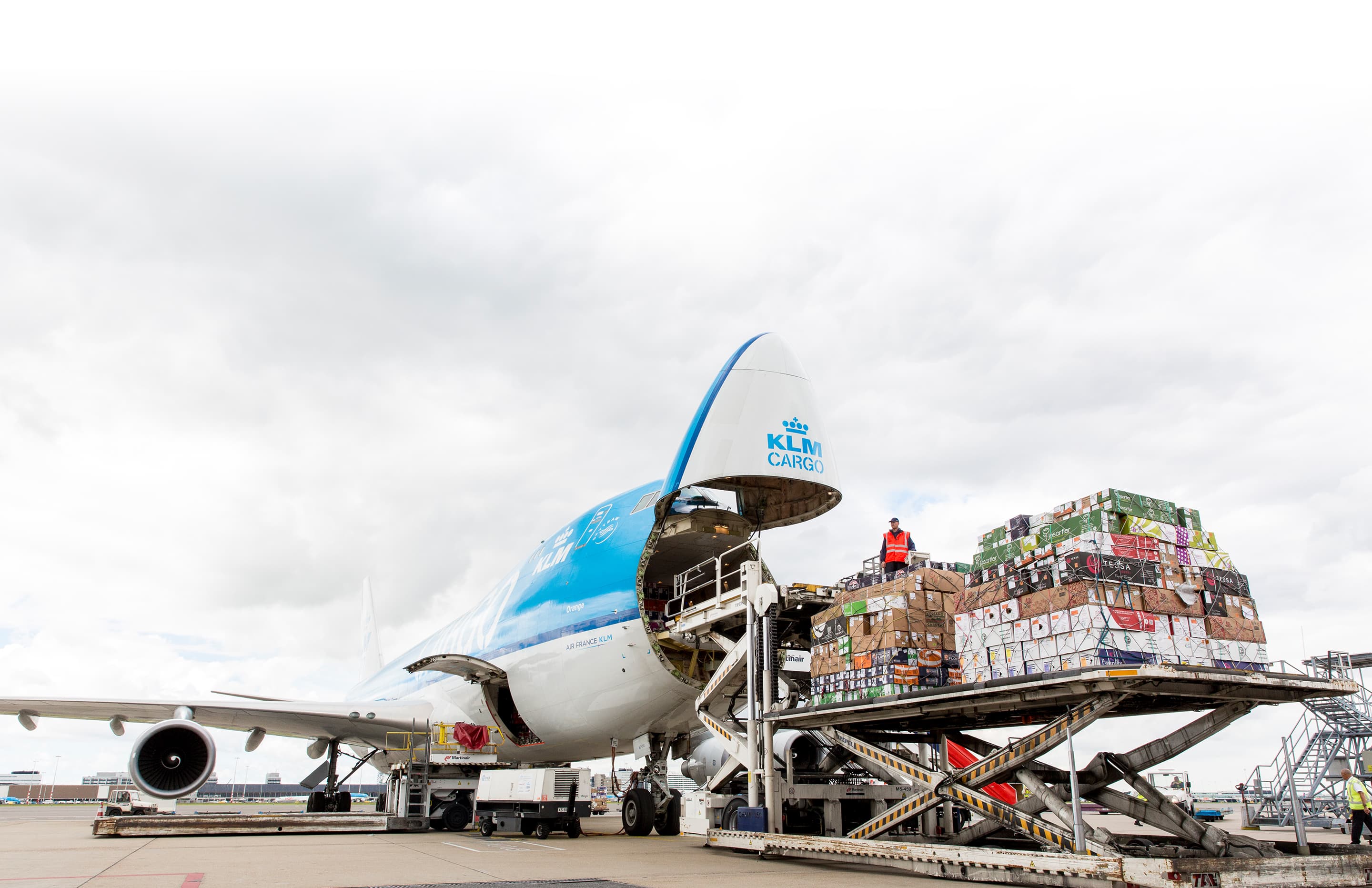
A scheduled freighter's doors or floor loading limits can't take it.
The timing can't wait
A carrier's fixed timetable doesn't match your deadline.
The destination isn't served
No scheduled freighter flies where your cargo needs to go.
The cargo can't be consolidated
Dangerous goods, live animals, high-value shipments, or anything needing unbroken temperature control.
If none of those apply, scheduled airfreight is almost always cheaper, and we'll tell you so.
Need a cargo charter arranged quickly?
Urgent and AOG shipments can be in the air within 4 to 12 hours of confirmation where a suitable aircraft is positioned nearby. Standard charters take 24 to 48 hours; complex cargo can take 48 to 96.
Tell us what you are moving and when it needs to arrive, and we will confirm what is achievable.

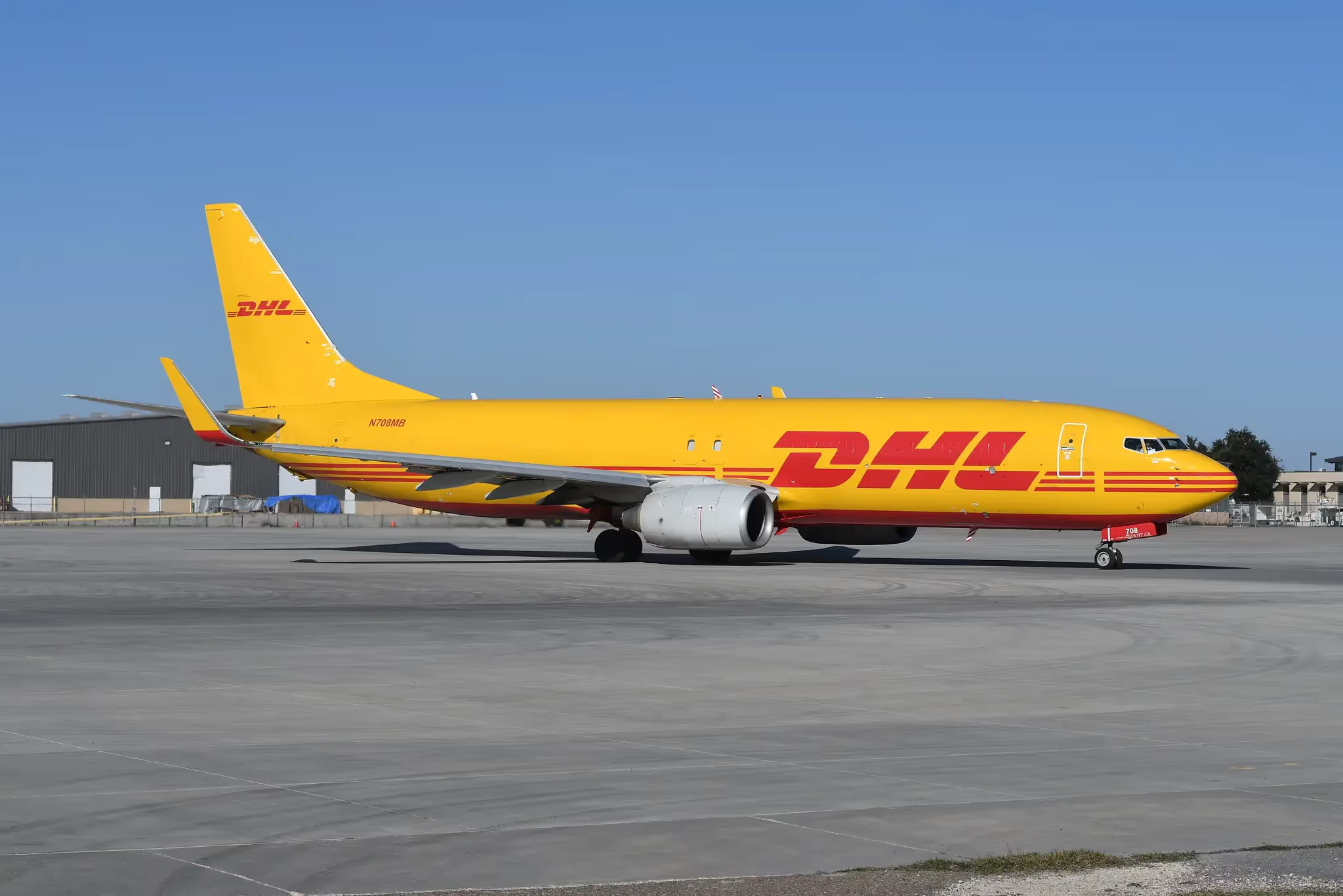
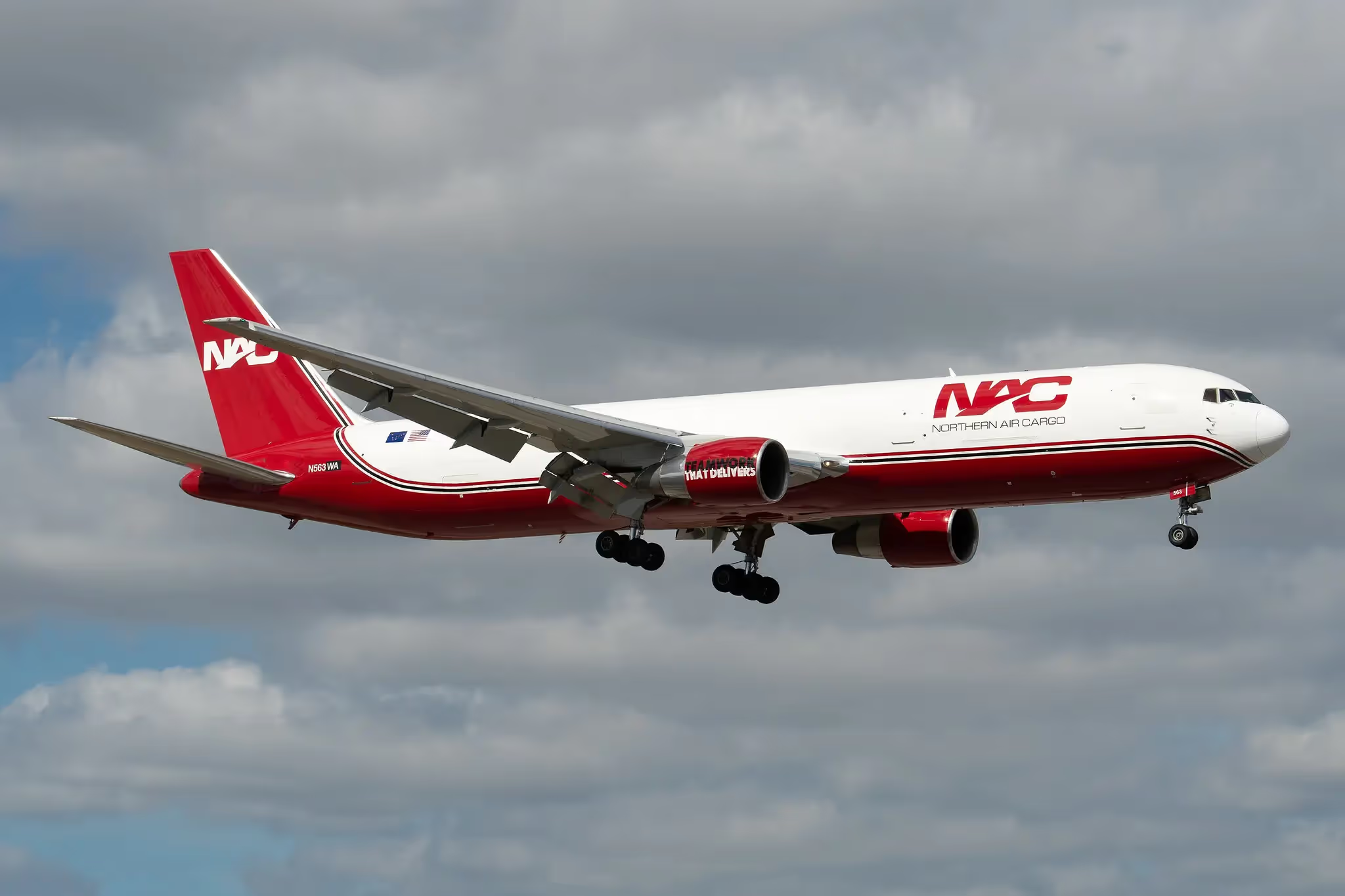
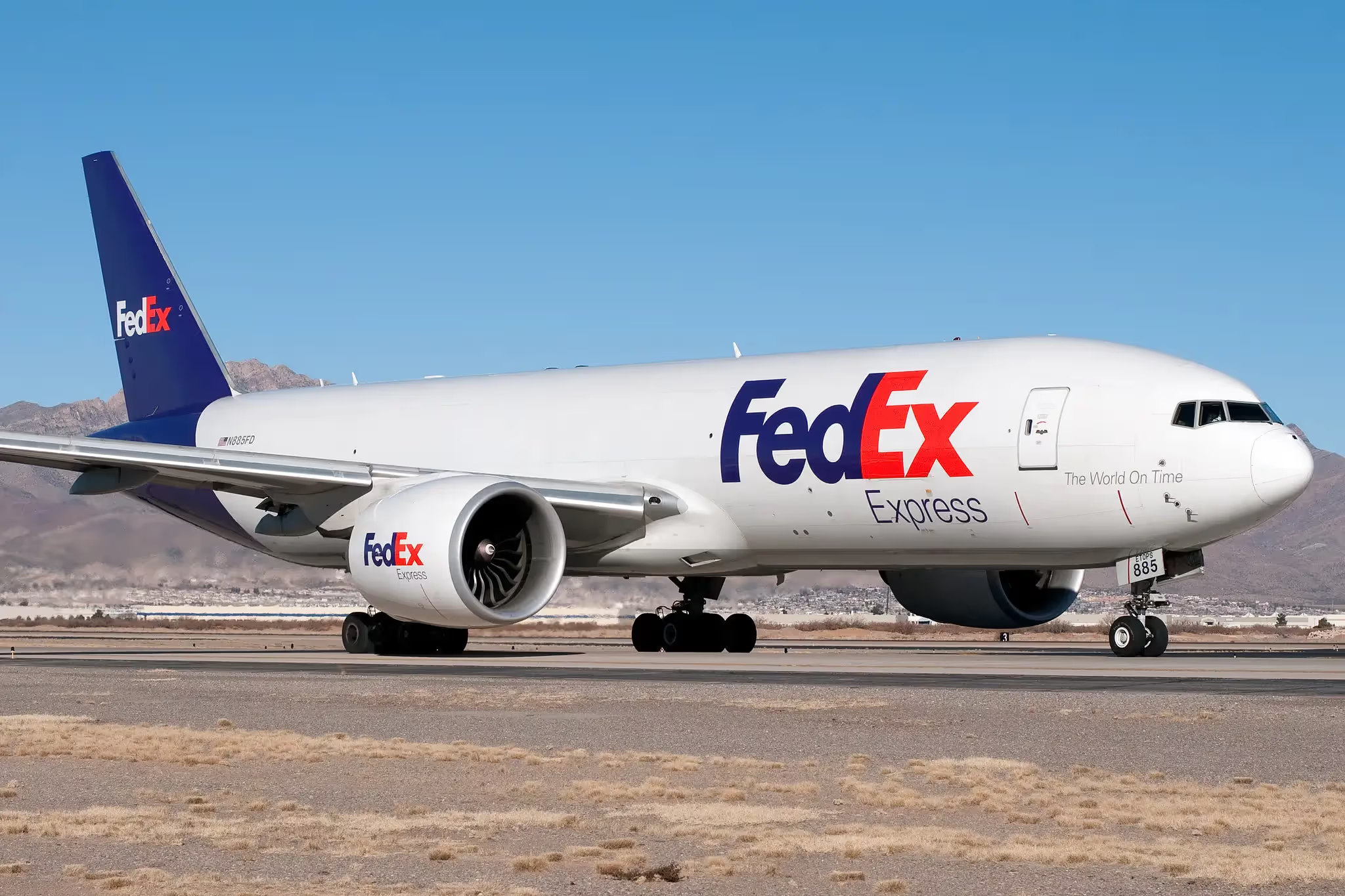
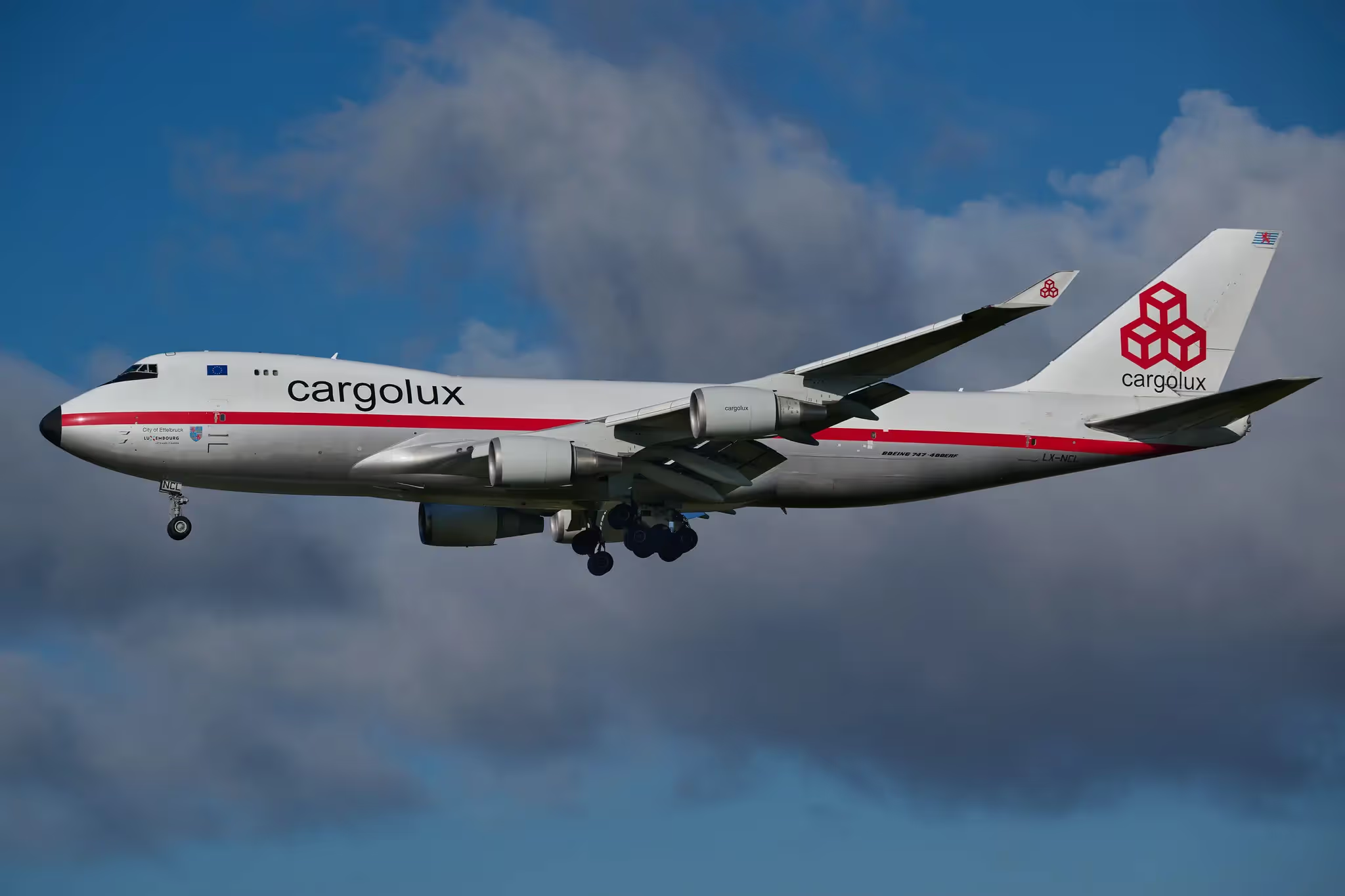
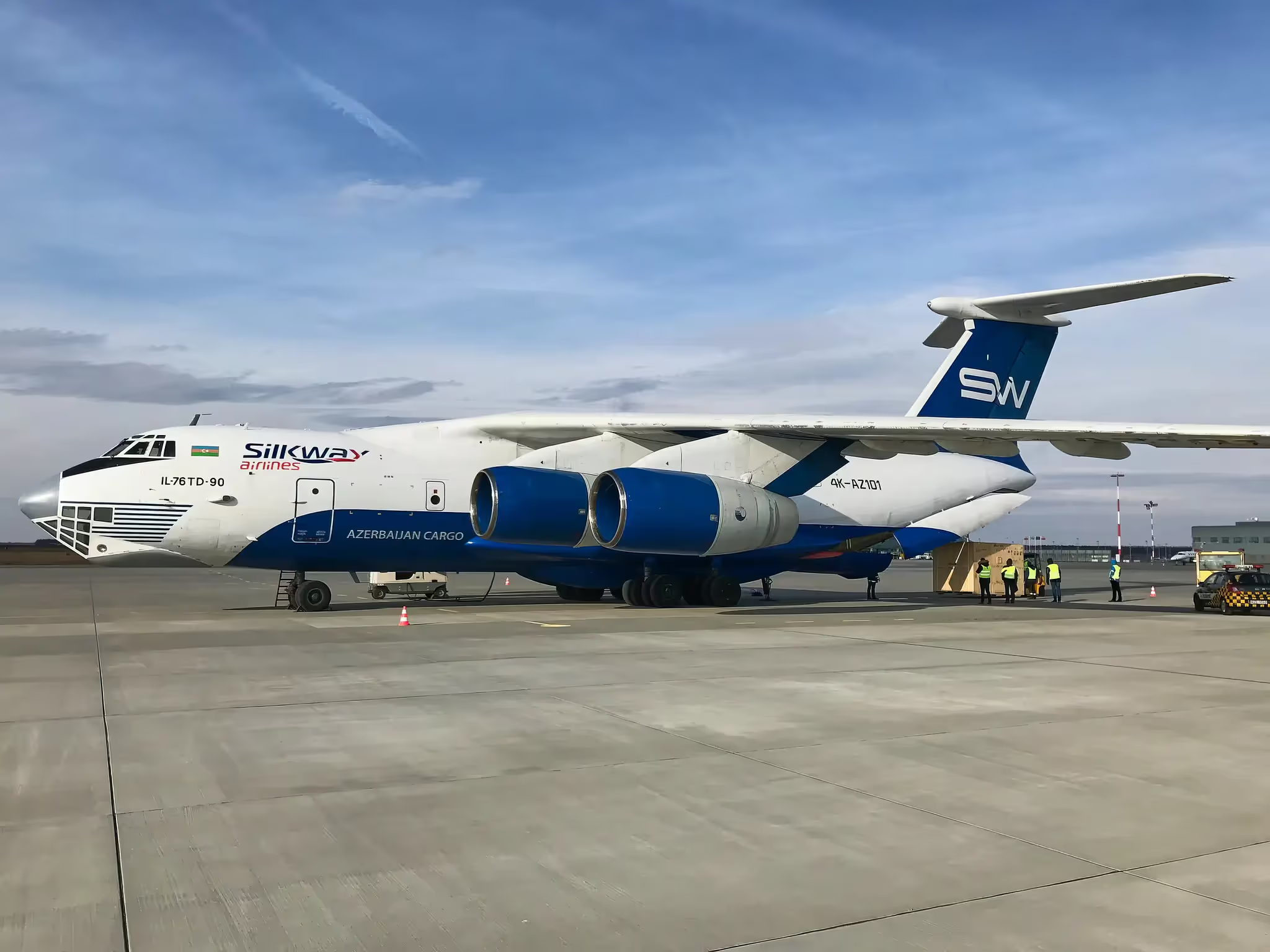
Specialist cargo we move
Some cargo needs a charter because of what it is, not where it's going.





Air Cargo Charter FAQs
New to the world of air cargo charter services, or have questions about how Fliteline can meet your cargo logistics needs? Explore our FAQs for answers to the most common queries.
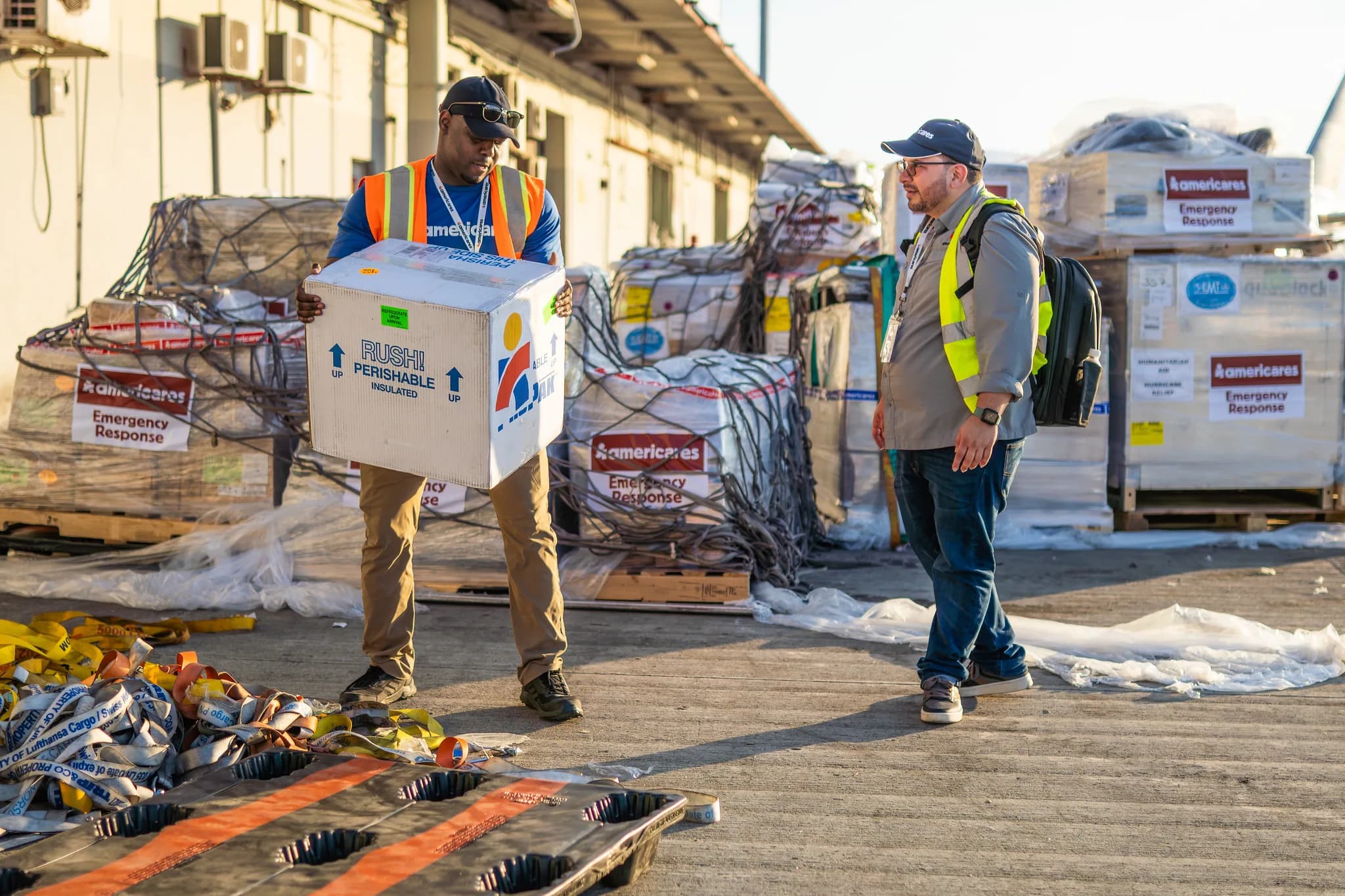
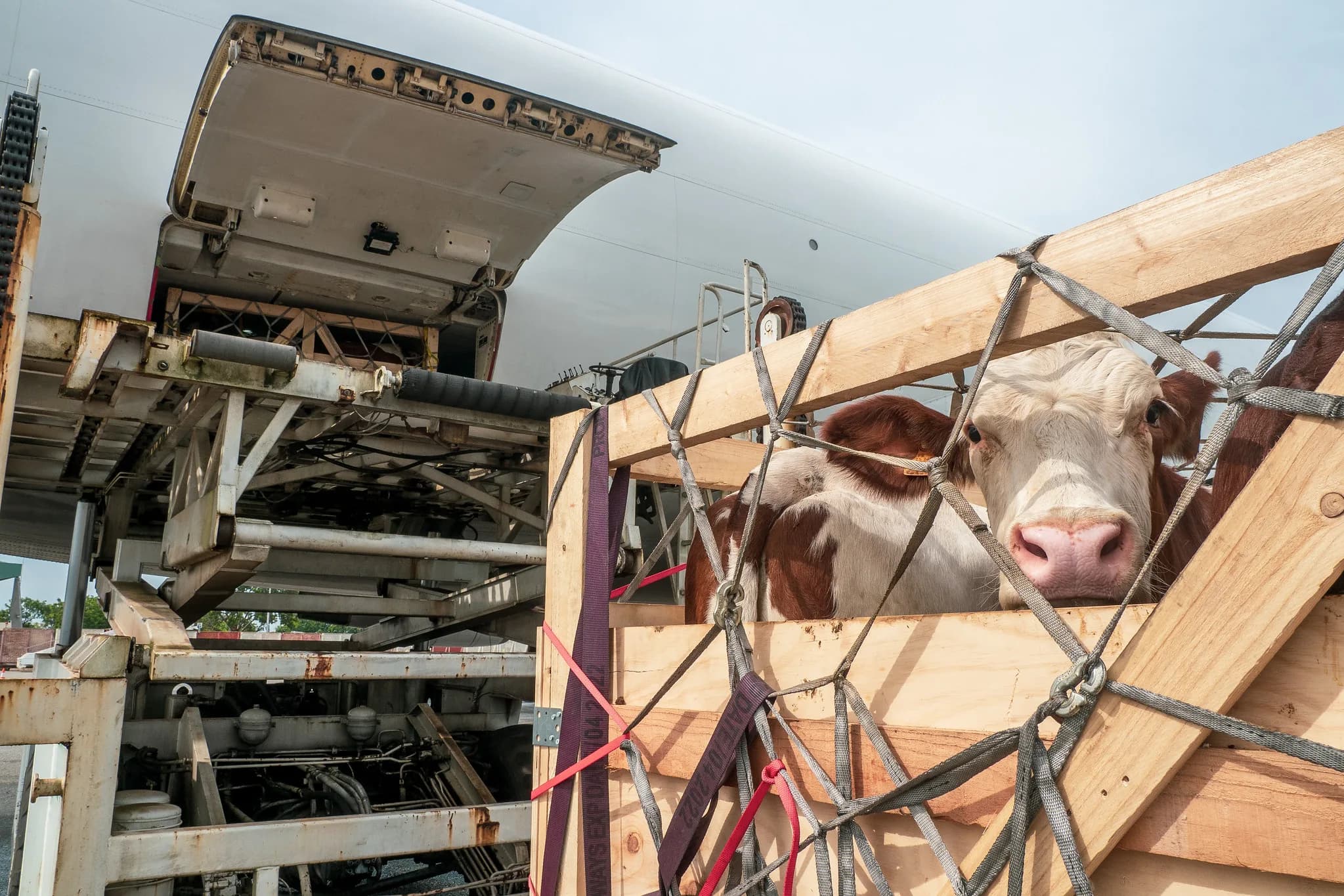
Out-of-gauge machinery, AOG aircraft parts, dangerous goods across all nine IATA hazard classes, live animals, temperature-controlled pharmaceuticals, perishables, high-value consignments and humanitarian relief. A small number of items are forbidden outright under the ICAO Technical Instructions and others need a state exemption — we'll tell you which at enquiry stage.
Urgent and AOG shipments: 4 to 12 hours from confirmation, where an aircraft is positioned nearby and no special permits are needed. Standard commercial charters: 24 to 48 hours. Complex charters involving outsize cargo, dangerous goods or restricted airspace: 48 to 96 hours. Slot availability and curfews can extend all three.
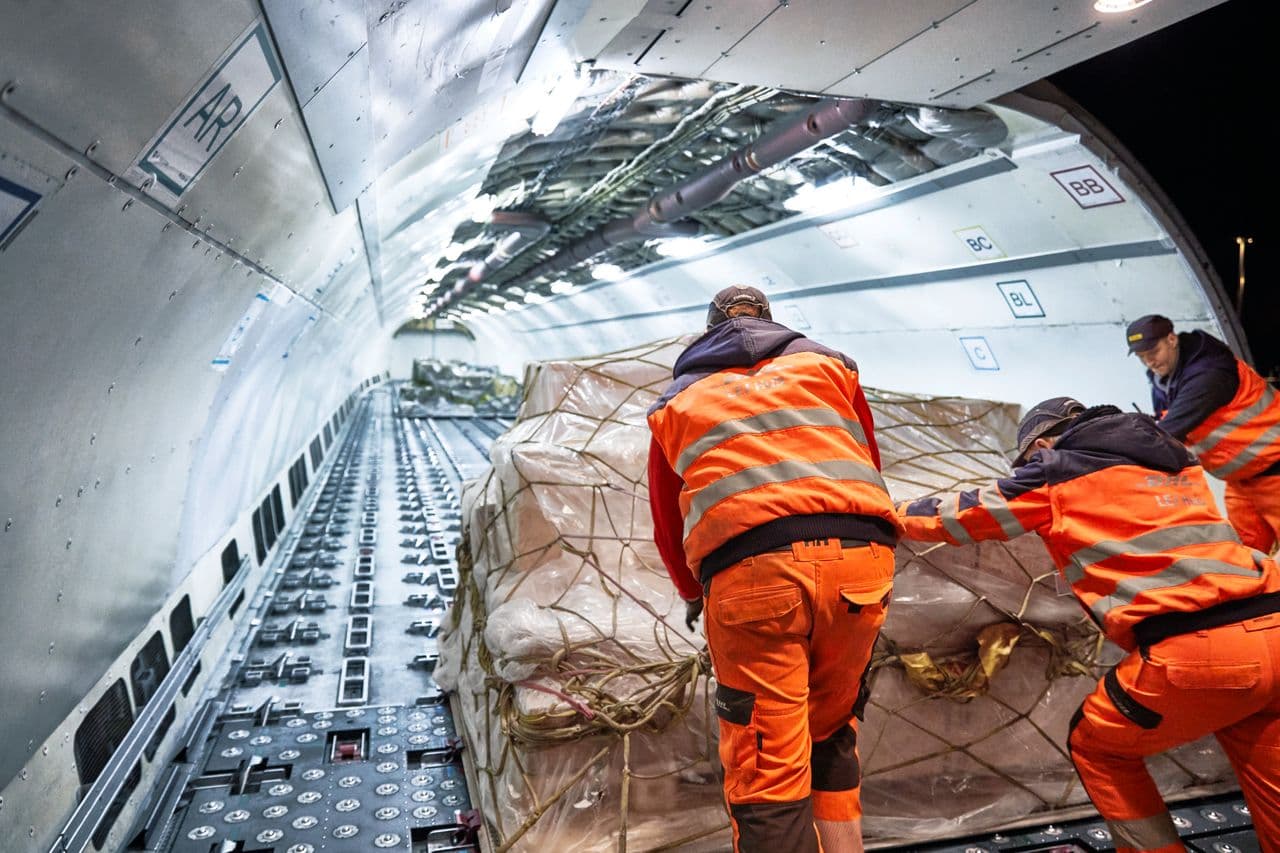
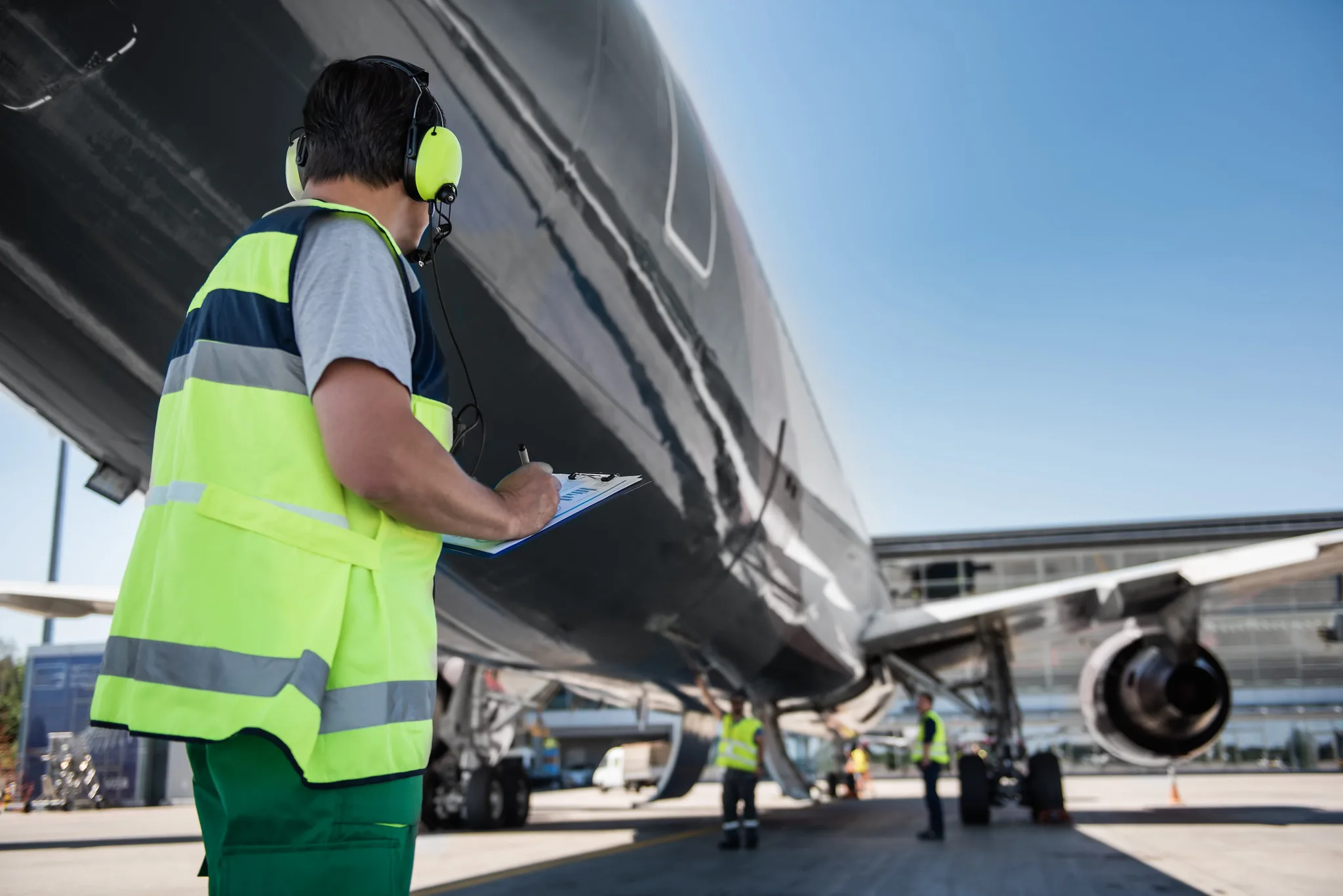
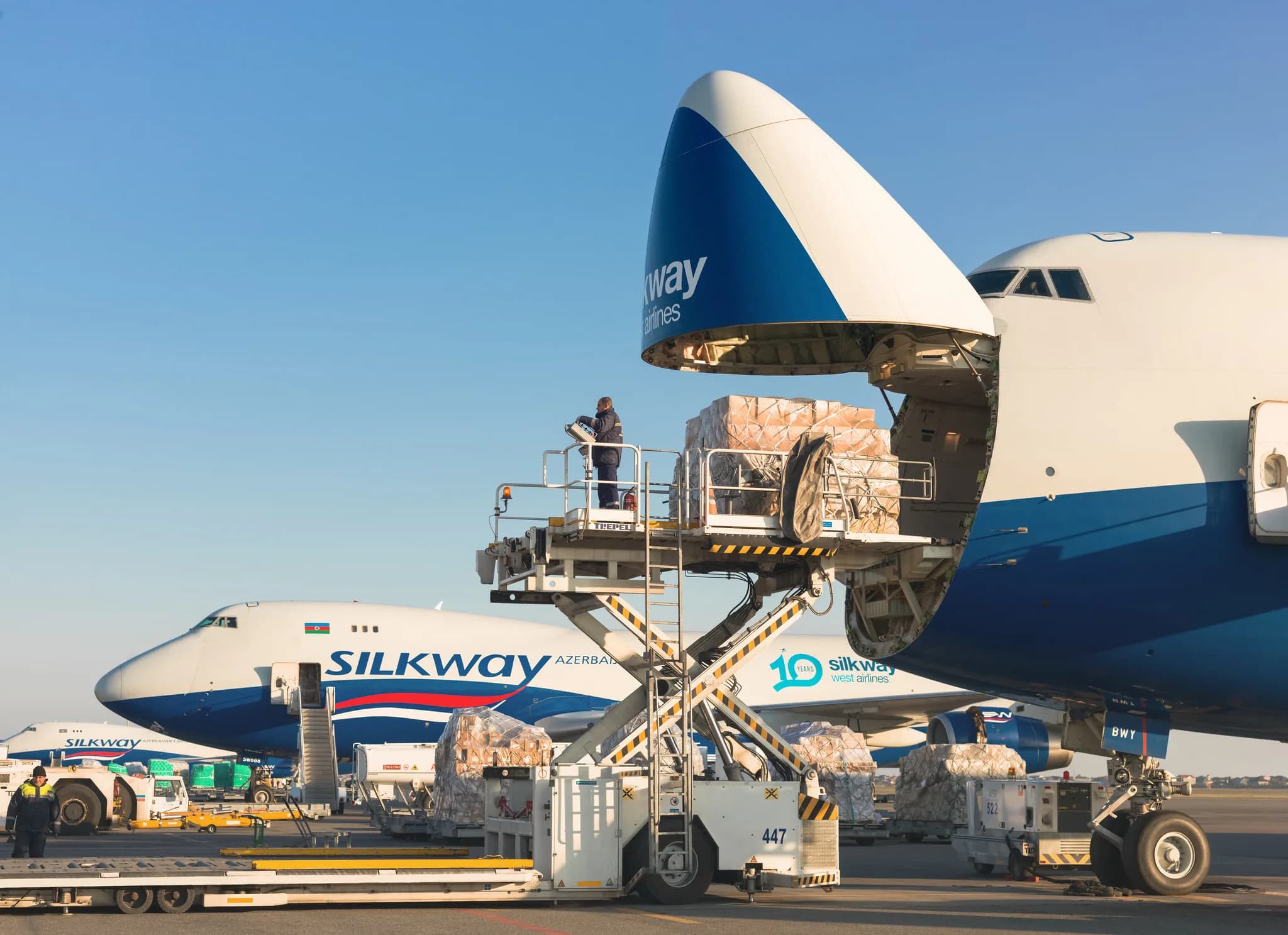
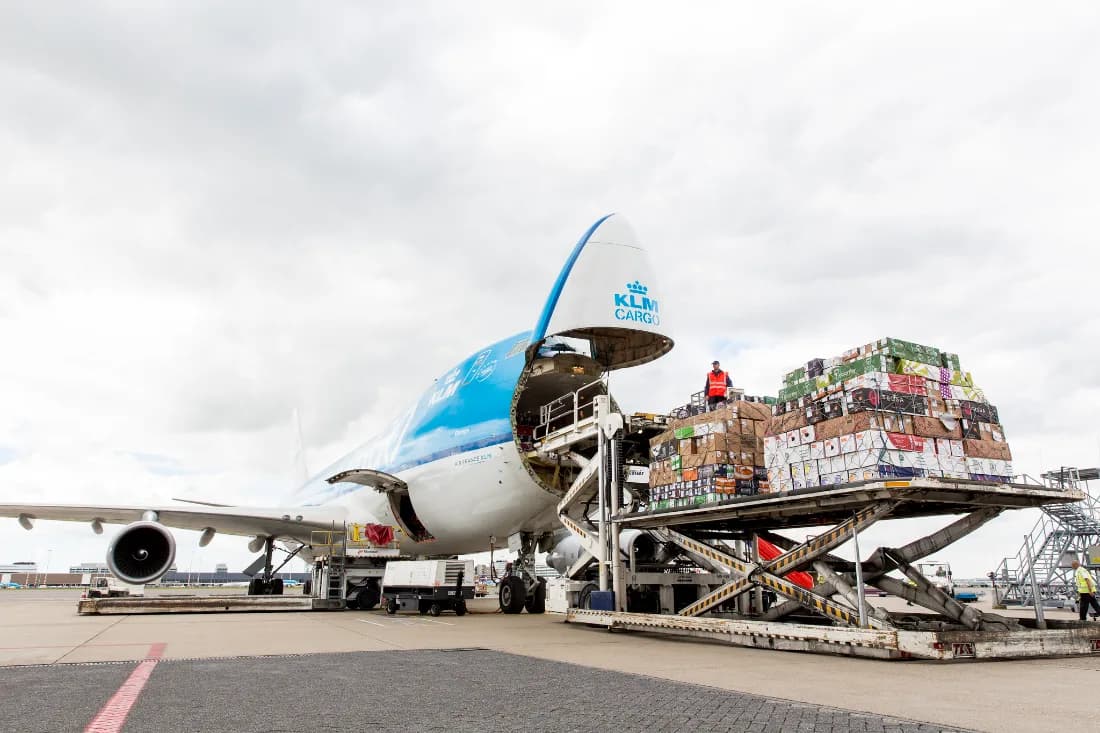
Yes — ground handling at both ends, specialist loading equipment, customs documentation, and onward trucking where the airport isn't the final destination. We also confirm before quoting that the receiving airport has the equipment to unload your cargo. A main-deck loader reaches around 5.6 m, and not every airport has one.
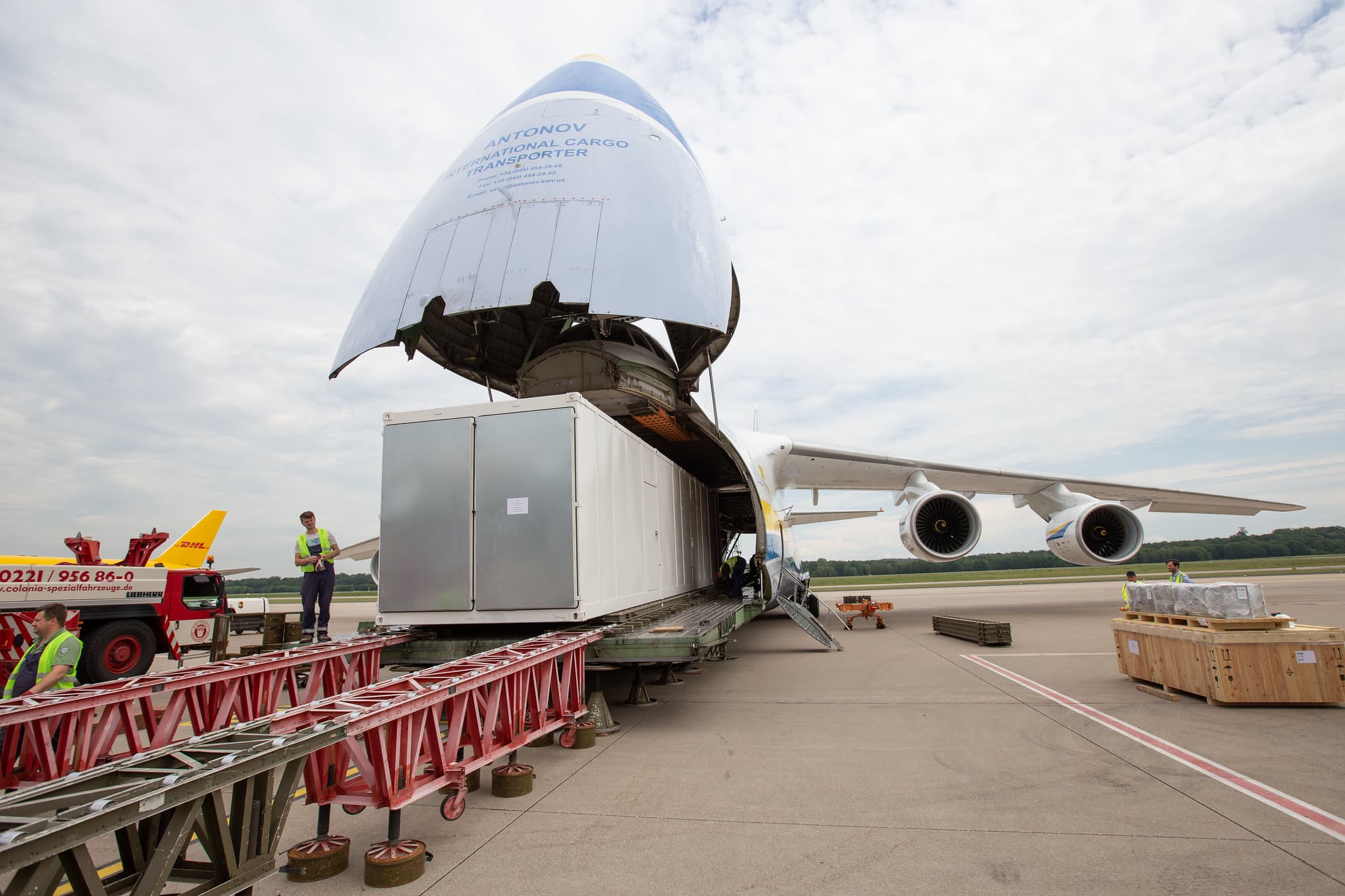
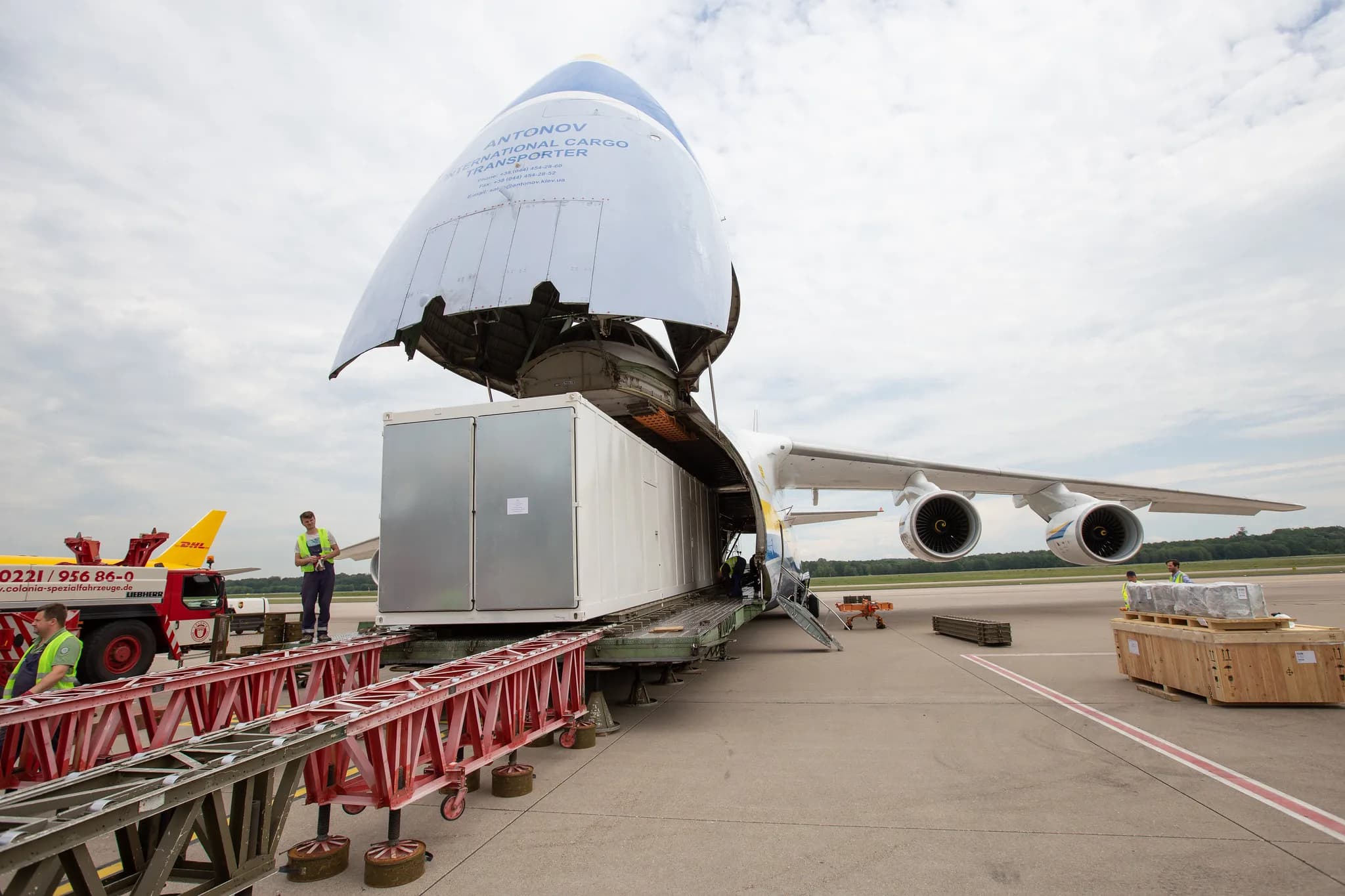
Yes to both. Dangerous goods move under the current IATA Dangerous Goods Regulations, with each operator's approvals and the receiving station's handling capability confirmed before contracting. For oversized cargo the deciding factor is your largest single piece against door openings and floor loading limits — which is why we ask for dimensions per piece, not just total weight.
Fliteline arranges charters worldwide, including airfields with no scheduled freighter service. What matters more than the region is whether the specific airport can take the aircraft — runway length, pavement strength, curfew hours, slot availability and ground equipment all vary enormously, and we check all five at both ends before quoting.
Cargo charter is priced per flight, not per kilo, and built from seven components: hourly rate, block time, repositioning, fuel, airport charges, ground handling and any specialist requirements. Repositioning is the one shippers most often overlook — on an outsize charter it can cost more than the productive sector.
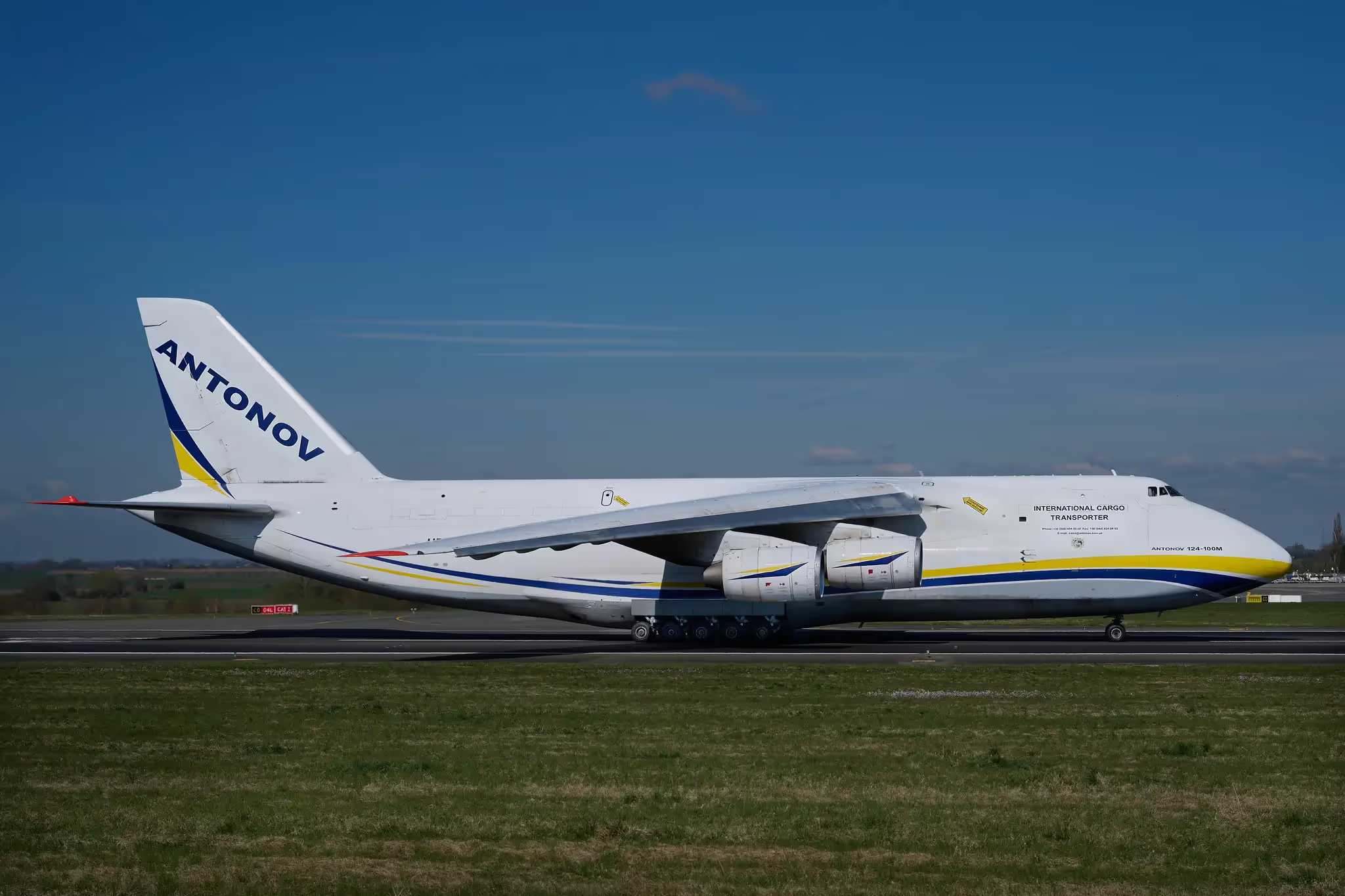
The largest freighter available on the charter market is the Antonov An-124-100 at 120 tonnes, with a hold approximately 36.5 m long, 6.4 m wide and 4.4 m high, loaded through a nose visor and rear ramp. Very few are in service outside sanctioned operators, so outsize charters need realistic lead times and a fallback plan.
It depends entirely on the airport, and the variation is wide. Frankfurt bans night flights between 23:00 and 05:00, while Leipzig/Halle 300 km away allows freight through the night. Sydney's curfew exemptions are aircraft-type specific, so a widebody freighter effectively cannot operate there at night. We check curfew rules at both ends before quoting.
Before contracting, Fliteline verifies the operator's Air Operator Certificate, its operating licence, its insurance certificates and the airworthiness documentation for the specific aircraft. Aviation regulators license aircraft operators rather than the brokers who arrange the flights, so a broker's own verification process is what you should be assessing.
Our Air Charter Services
Cargo is one of six things we charter. If your requirement is passengers, a special mission or an aircraft on a wet lease, we handle those too.