Group charter coordination means arranging dedicated aircraft for parties of 10 to 200+ passengers, managing everything from departure scheduling to equipment logistics and multi-stakeholder sign-off. It makes sense when schedule control, group cohesion, or route access matter more than per-seat cost comparisons. This guide covers every coordination consideration, whether you're managing a football squad's match-day travel, a 150-person corporate off-site, or a touring production company's European schedule.
When Does Group Charter Outperform Scheduled Options?
The case for group charter isn't universal. It depends on group size, route complexity, equipment needs, and how much schedule flexibility matters to your operation.
As a general threshold, groups of 50 or more passengers travelling on the same route at the same time often find charter more cost-effective than block-booking commercial seats, particularly on routes where scheduled capacity is limited. Below 50, the comparison becomes more nuanced and route-specific.
Here's how the three main options compare across the factors that matter most to event planners and travel managers:
| Factor | Group Charter | Scheduled Block Booking | Split-Party Commercial |
|---|---|---|---|
| Cost predictability | Fixed contract price | Variable, subject to fare changes | Highest variability |
| Schedule control | Full — depart when you need | Limited to scheduled times | None |
| Equipment transport | Hold configured to requirement | Excess baggage only | Not practical |
| Group cohesion | All travel together | Usually together | Split across flights |
| Route flexibility | Any viable airport pair | Scheduled routes only | Scheduled routes only |
| Check-in logistics | Private terminal, group handling | Standard commercial check-in | Standard commercial check-in |
Charter genuinely outperforms when your group travels with substantial equipment, when departure timing is mission-critical, or when your destination isn't well-served by scheduled carriers. Our guide to charter versus scheduled booking for MICE travel goes deeper on the cost-benefit calculation for event-driven group travel.
How Group Charter Coordination Actually Works
The coordination process has more moving parts than most clients expect. Here's a realistic picture of how it progresses from first enquiry to departure.
Step 1: Define the group parameters. Confirmed headcount, departure and destination airports, date flexibility (if any), and any special handling requirements such as sports equipment, production gear or medical needs. The more precise these inputs, the faster an accurate quote can be produced.
Step 2: Aircraft sourcing. We source against your confirmed parameters, checking availability across our operator network and matching aircraft to group size, range, and hold configuration requirements. For groups with complex needs, this step can involve assessing two or three aircraft types before making a recommendation.
Step 3: Multi-stakeholder sign-off. Group travel rarely has a single decision-maker. We structure the quote and supporting information to help you build the internal case, covering per-head cost breakdown, schedule rationale, and logistics advantages that justify the investment to finance teams or senior management.
Step 4: Logistics coordination. Once approved, coordination moves to specifics: passenger manifests, baggage and equipment details, catering requirements, ground transport connections, and any permit or slot requirements for the route. For international travel, this includes coordinating with handling agents at both ends.
Step 5: Travel day management. We stay available throughout the travel day for any operational changes - weather delays, passenger amendments, equipment handling queries. For complex itineraries, this means active monitoring from departure morning until the group is wheels-up.
For sports organisations managing repeated travel across a season, the process becomes significantly more efficient once the first trip is completed and preferences are established. Our strategic guide to sports team air charter covers how to build this efficiency into a full-season travel plan.
Group Types and Their Specific Coordination Needs
Different group types bring different coordination priorities. Understanding what matters most to each audience shapes how we approach planning from the first conversation.
Sports Teams
Sports team coordination centres on three things: departure timing, equipment logistics, and squad protocol. Departure windows are often tight around training schedules and coaching priorities. Equipment requirements vary significantly by sport - a football squad travelling with full match kit, medical equipment, and staff gear creates different hold requirements to a tennis squad with racket bags and physio supplies.
Squad protocols, including where players sit, what catering is provided, and how the team boards the aircraft, are often defined by club or coaching staff. We work within those protocols rather than asking the group to adapt to a standard process. Our guide to football equipment charter and match-day logistics covers the specific planning involved in equipment-heavy sports travel. For broader sport-specific considerations, our overview of private charter flights for sports teams covers aircraft selection, catering, and travel day management.
MICE and Corporate Events
MICE (Meetings, Incentives, Conferences and Exhibitions) group travel involves managing multiple stakeholders - event planners, corporate travel managers, finance teams, and the delegates themselves. The coordination challenge isn't just the flight. It's ensuring the aircraft experience aligns with the event's tone and that logistics don't undercut the investment made in the event itself.
Schedule control is critical. A conference with a fixed start time cannot absorb a commercial connection delay without significant cost and reputational damage. Charter eliminates that variable. It also allows departure from regional airports closer to your delegates' actual locations, reducing pre-travel fatigue and ground transfer time.
For events where brand presence matters, charter aircraft can serve as a brand activation vehicle in their own right. Arriving as a cohesive group on a dedicated aircraft sends a clear message to clients and staff alike.
Entertainment and Touring Productions
Concert tours and entertainment productions combine passenger travel with significant production equipment logistics. Artists, management, crew, and technical staff often have different travel needs. Tour managers need to coordinate multiple departure points across a touring party while ensuring production gear arrives in time for venue setup.
The coordination complexity here is closer to cargo charter in some respects - hold configuration, weight and balance calculations, and loading sequencing matter as much as passenger comfort. Our guide to concert tour and entertainment group charter covers the specific planning considerations for touring productions.
Educational and Institutional Groups
Schools, universities, and research programmes bring a distinct set of coordination requirements: safeguarding considerations, pastoral supervision ratios, mixed age or accessibility needs, and often tight per-head budgets that require transparent cost breakdowns for institutional approval processes.
Charter provides educational groups with route access that scheduled options can't match, particularly useful for field research trips, expedition travel, or remote destination programmes. Our guide to educational group charter travel covers the planning specifics for schools and universities.
Fan Groups and Festival Travel
Organised fan travel and festival group movements present a coordination challenge that commercial carriers struggle with: large numbers of people wanting to travel together, often to destinations with limited scheduled capacity on peak event days.
Charter solves both the schedule and the group cohesion problem. Rather than fragmented departures across multiple commercial flights, a chartered aircraft creates a shared departure experience that becomes part of the event itself. For major sporting tournaments, fan travel and team travel can be coordinated in parallel, as we explore in our World Cup 2026 multi-city group travel guide. Our dedicated guide to fan group charter and festival travel covers logistics for supporter clubs and festival organisers.
Selecting the Right Aircraft for Your Group
Aircraft selection starts with confirmed headcount and range requirements, then narrows based on hold capacity needs, cabin configuration preferences, and any route-specific requirements such as short runway operations or noise restrictions.
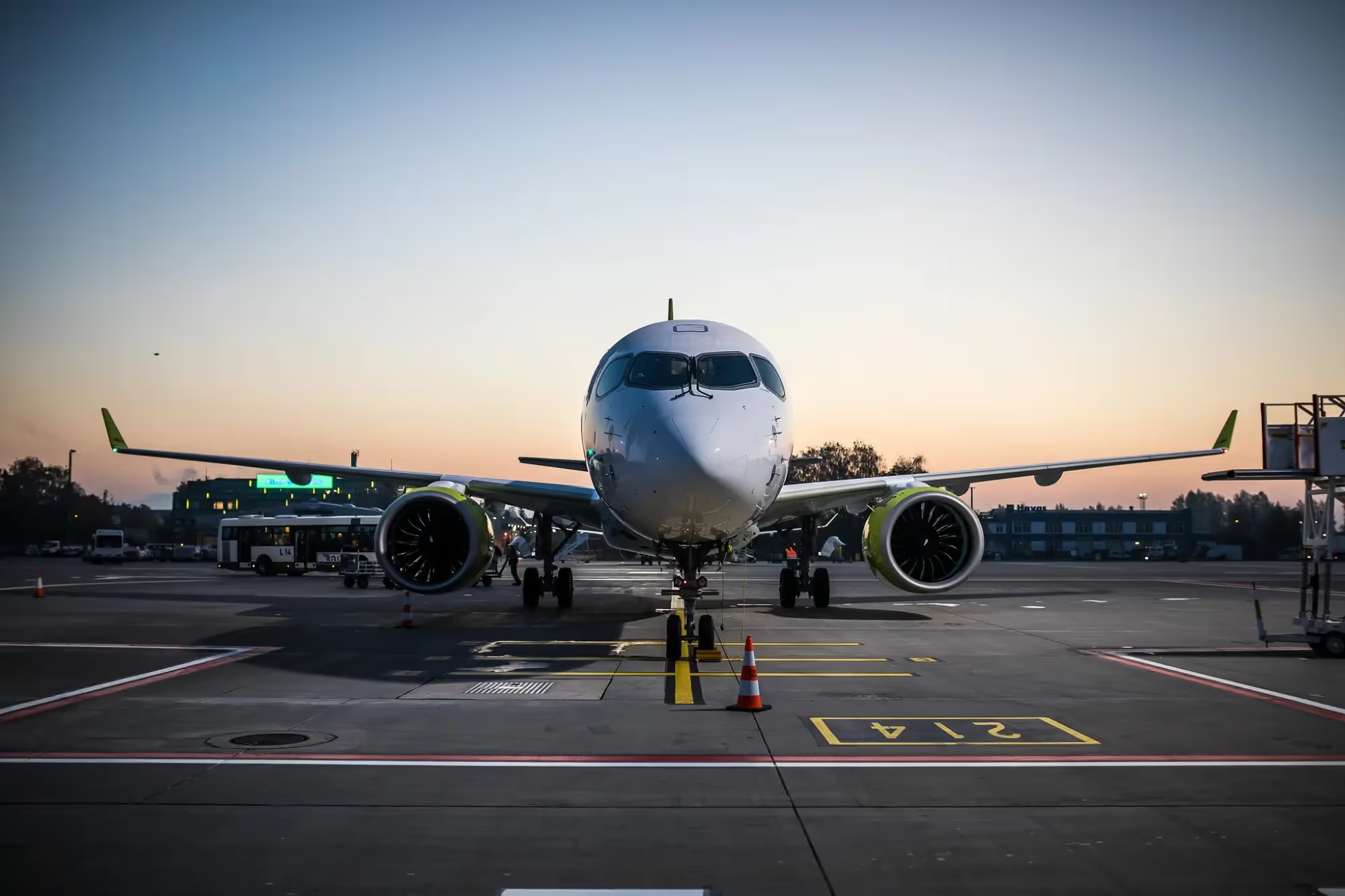
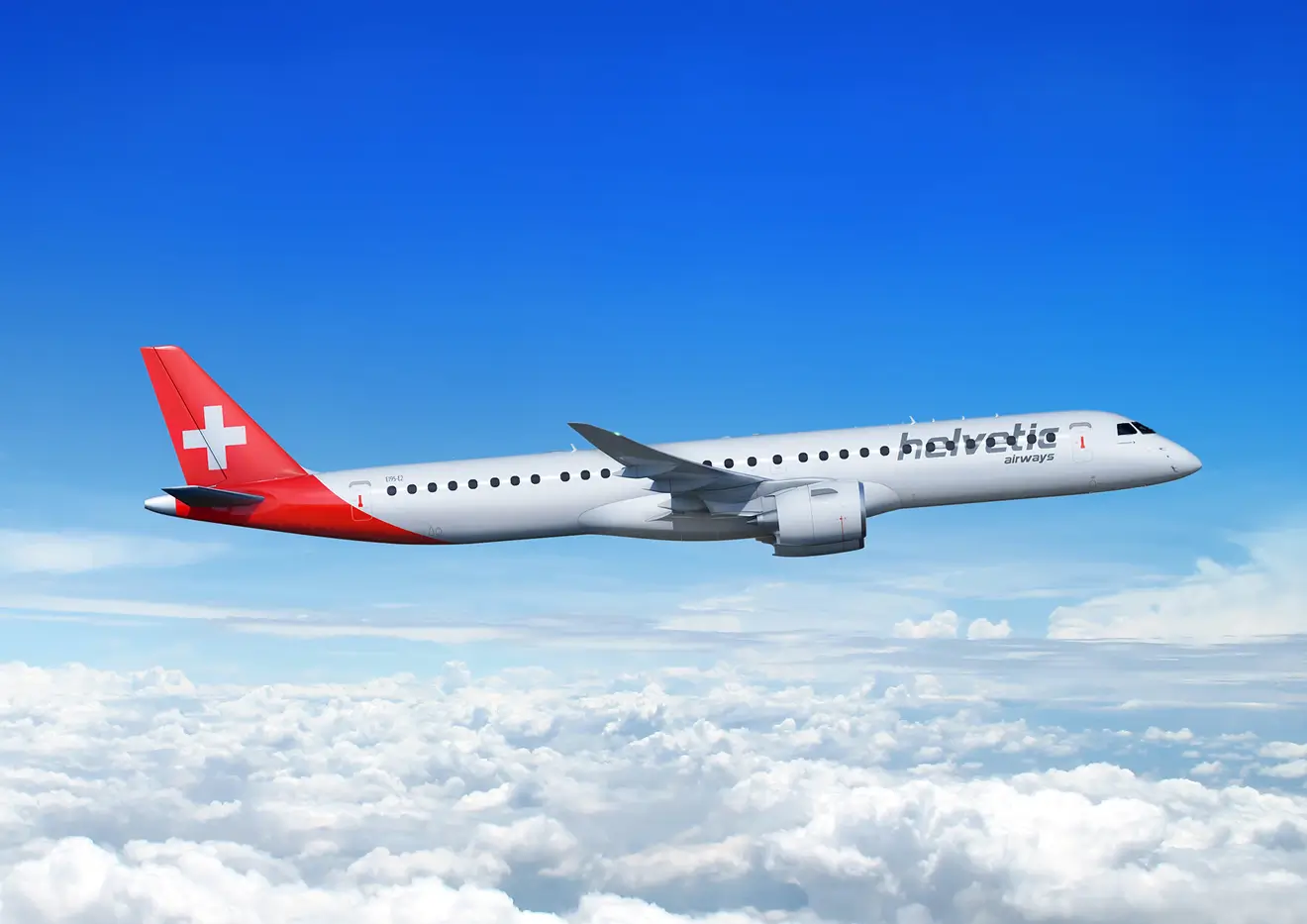
- 10-50 passengers: Turboprop or narrow-body regional jets such as the ATR 72 or Embraer 145. Cost-effective on shorter routes with good hold access for equipment. Well-suited for smaller squads, executive retreats, or educational groups on regional routes.
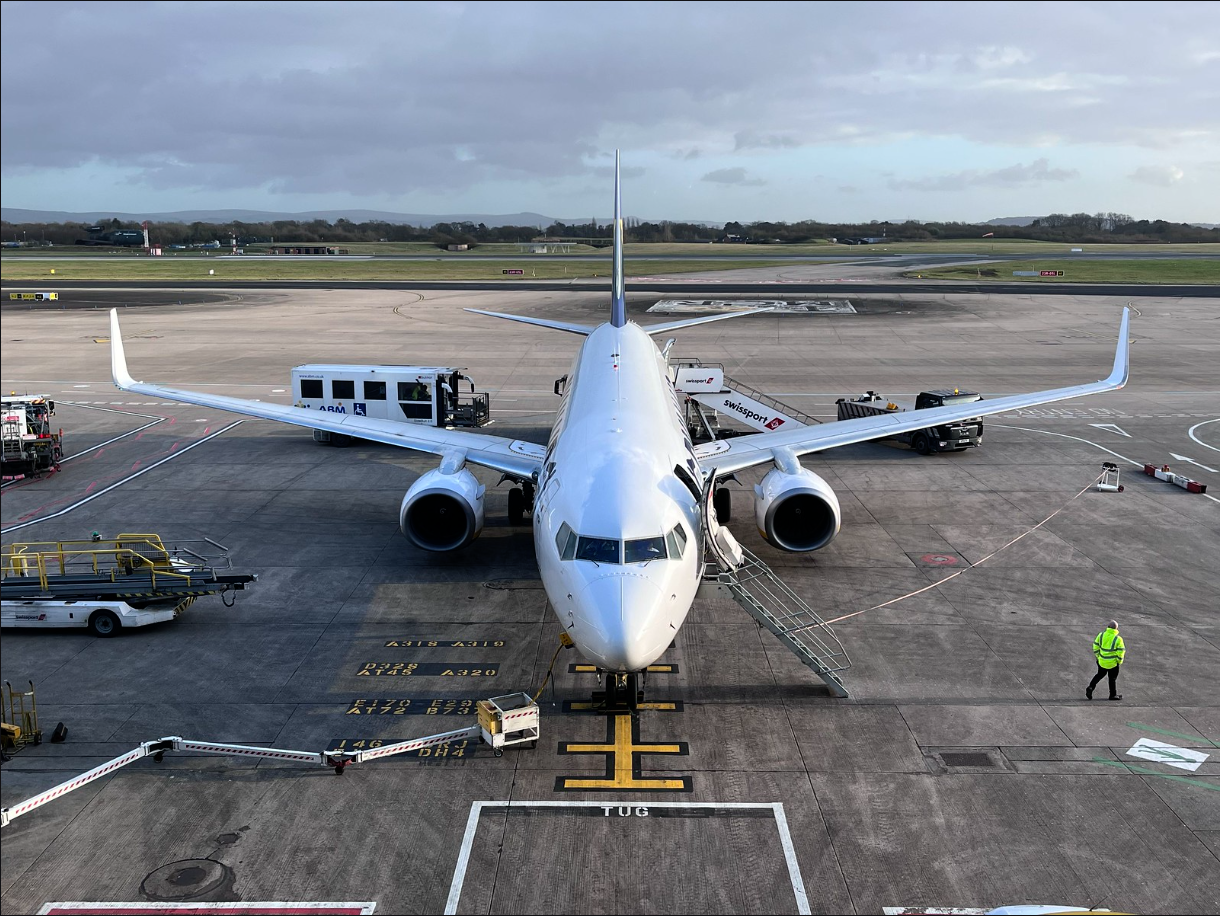
- 50-150 passengers: Narrow-body jets including the Boeing 737 and Airbus A320 family. The most commonly chartered aircraft for group travel. Intercontinental range variants are available. Strong hold capacity for sports and production equipment.
- 150-200+ passengers: Wide-body aircraft including the Boeing 767 and Airbus A330. Used for large corporate events, full fan group charters, and long-haul group travel. Configuration options vary significantly by operator.
Hold configuration matters as much as cabin capacity for groups with significant equipment. A 737 configured for maximum passenger seating has less hold volume than a standard configuration - something that becomes relevant when you're loading 40 kit bags, medical equipment, and staff luggage alongside 60 passengers.
Our detailed aircraft comparison for group charter covers the specific trade-offs by aircraft type and the questions worth asking your broker before confirming a choice.
Cost Factors and Budget Planning
Group charter pricing is built on a fixed charter fee rather than per-seat pricing, which changes how you approach budgeting and internal approval. The key cost drivers are route distance, aircraft type, positioning requirements, and any specialist handling or permit costs for the destination.
Per-head cost logic works in your favour as group size increases. A 737 charter on a two-hour sector has a broadly similar base cost whether you fill 80 seats or 140. That means every additional confirmed passenger reduces the effective per-head cost, which is why early headcount confirmation matters more in group charter than in commercial travel booking.
Building the business case for internal approval typically requires demonstrating three things: per-head cost versus comparable commercial alternatives, productivity and logistics value (particularly for sports teams and corporate events), and schedule risk reduction. For groups where a delayed departure has downstream operational consequences, the risk-adjusted value of charter is often significant.
Our guide to group charter cost management covers how to estimate, structure, and present the budget case for groups of 50 to 200 passengers. For smaller executive groups where the per-head economics shift, it's worth reviewing whether executive group travel coordination via private charter is a better fit than a full group charter arrangement.
Related Topics and Specialist Guides
This guide covers group charter coordination at the planning level. For specific group types and scenarios, our cluster of specialist posts goes deeper on each area.
Sports Team Logistics
- The Winning Game Plan: A Strategic Guide to Sports Team Air Charters
- Private Charter Flights for Sports Teams
- Football Team Equipment Charter: Match-Day Logistics
- World Cup 2026 Multi-City Group Travel Coordination
MICE, Corporate and Entertainment
- Scheduled Booking vs Charter for MICE Travel
- How Charter Aircraft Become Marketing Assets
- Concert Tour and Entertainment Group Charter (coming soon)
- Corporate Retreat Group Charter Planning (coming soon)
Education, Fans and Budget Planning
- Educational Group Charter Travel (coming soon)
- Fan Group Charter and Festival Travel (coming soon)
- Group Charter Cost Management: 50-200 Passengers (coming soon)
Aircraft Selection
Frequently Asked Questions
How many passengers do you need for group charter to make sense?
There's no fixed threshold, but groups of 40 or more on the same route often find charter competitive with commercial block bookings once equipment, schedule flexibility, and logistics are factored in. Smaller groups can still benefit when route access, departure timing, or equipment transport requirements aren't well-served by scheduled carriers.
How far in advance should you book group charter?
For major events where aircraft availability is constrained, such as large international tournaments or peak festival periods, we recommend starting enquiries 6 to 12 months ahead. For standard group travel, 8 to 12 weeks is typically sufficient to secure suitable aircraft. Last-minute group charter is possible but limits aircraft choice and increases cost.
Can group charter collect passengers from different departure points?
Yes. Multi-sector group charters can collect passengers from different airports before proceeding to the final destination, though this adds positioning time and cost. For groups with widely dispersed origins, we can model both a single-charter option and a split-party approach to find the most practical solution.
What's included in a group charter quote?
A standard quote covers the aircraft hire fee, crew costs, fuel, and handling at both ends. Catering, overflight permits, airport slots, and specialist equipment handling are itemised separately. We build quotes to be transparent so you can present a clear cost breakdown to budget holders and approval teams.
How does group charter handle tight event schedules?
Charter gives you full departure control, which means you can align travel timing precisely with your event schedule. We build contingency planning into the coordination from the start, including alternative departure windows and on-call availability on travel day, so operational changes don't cascade into bigger problems.
If you're planning group travel and want to work through the logistics and cost structure for your specific situation, our team is happy to discuss the details. Get in touch with our group charter coordination team to start the conversation.
Get in touch with any questions about your air charter needs