Group charter cost planning starts with a different question than commercial booking. The question is not simply what a seat costs. It is what the full logistics solution costs, and what schedule and routing control is worth when commercial aviation cannot reliably deliver either. When you build the comparison that way, the results look different for every group, on every route, and at every point in the calendar year. There are no universal rules of thumb here, and any guide that offers them should be treated with caution.
This guide covers the key cost drivers in group charter, how the aviation seasons affect pricing and availability in ways most clients do not expect, and the variables that most affect where charter sits in your specific budget.
The Four Main Cost Drivers in Group Charter
Group charter pricing is built from four elements. Understanding each one helps you interpret quotes accurately and identify where flexibility exists.
1. Aircraft hourly rate: The base cost of operating the aircraft covers crew, fuel, maintenance reserves, and operator margin. This rate varies significantly by aircraft type, and it varies even more significantly by season. The scale of that seasonal variation is covered in the section below.
2. Positioning (ferry) flights: If the aircraft is not already at your departure airport, the operator charges for the repositioning flight to collect your group. This is the item most often overlooked when comparing initial quotes, and it can represent a significant addition to the base rate. Whether an aircraft is already based at your departure or destination airport is one of the most practical cost factors in a group charter quote. In summer particularly, ferry flights can sometimes be longer than the operational flight itself, because the aircraft may need to travel from a distant base where it was last working.
3. Airport handling and slot fees: Each airport charges handling fees for charter operations, covering ground services, passenger handling, and slot management. These vary considerably between airports and are materially more restricted during summer. Charter operations using secondary airports closer to destinations often benefit from lower handling costs alongside reduced ground transfer time.
4. Crew expenses and overnight fees: When a charter requires crew overnight accommodation between legs, or when duty time requirements mean a crew change, these costs form part of the total. Multi-day programmes or itineraries with late evening arrivals and early morning departures need to account for these elements in the budget. As explained below, overnight parking restrictions at popular summer destinations add a further layer to this calculation.
How Aviation Seasons Affect Cost and Availability
This is the factor that catches most first-time charter clients by surprise, and it is one of the most important things to understand before approaching the market.
Aviation seasons do not follow the calendar year. They follow daylight saving time changes. The summer season runs from the last Sunday in March to the last Saturday in October. The winter season covers the remaining months. This matters because pricing and aircraft availability shift significantly between the two.
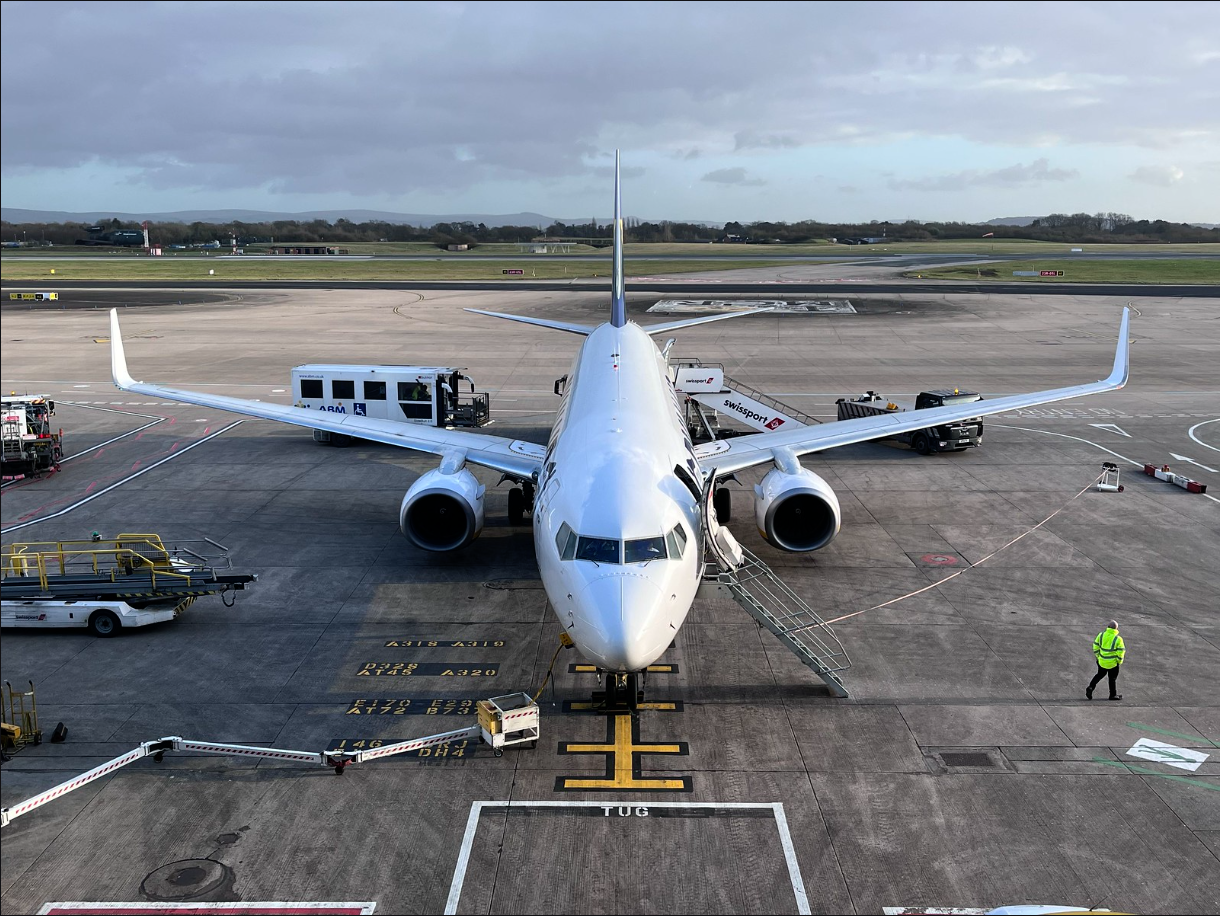
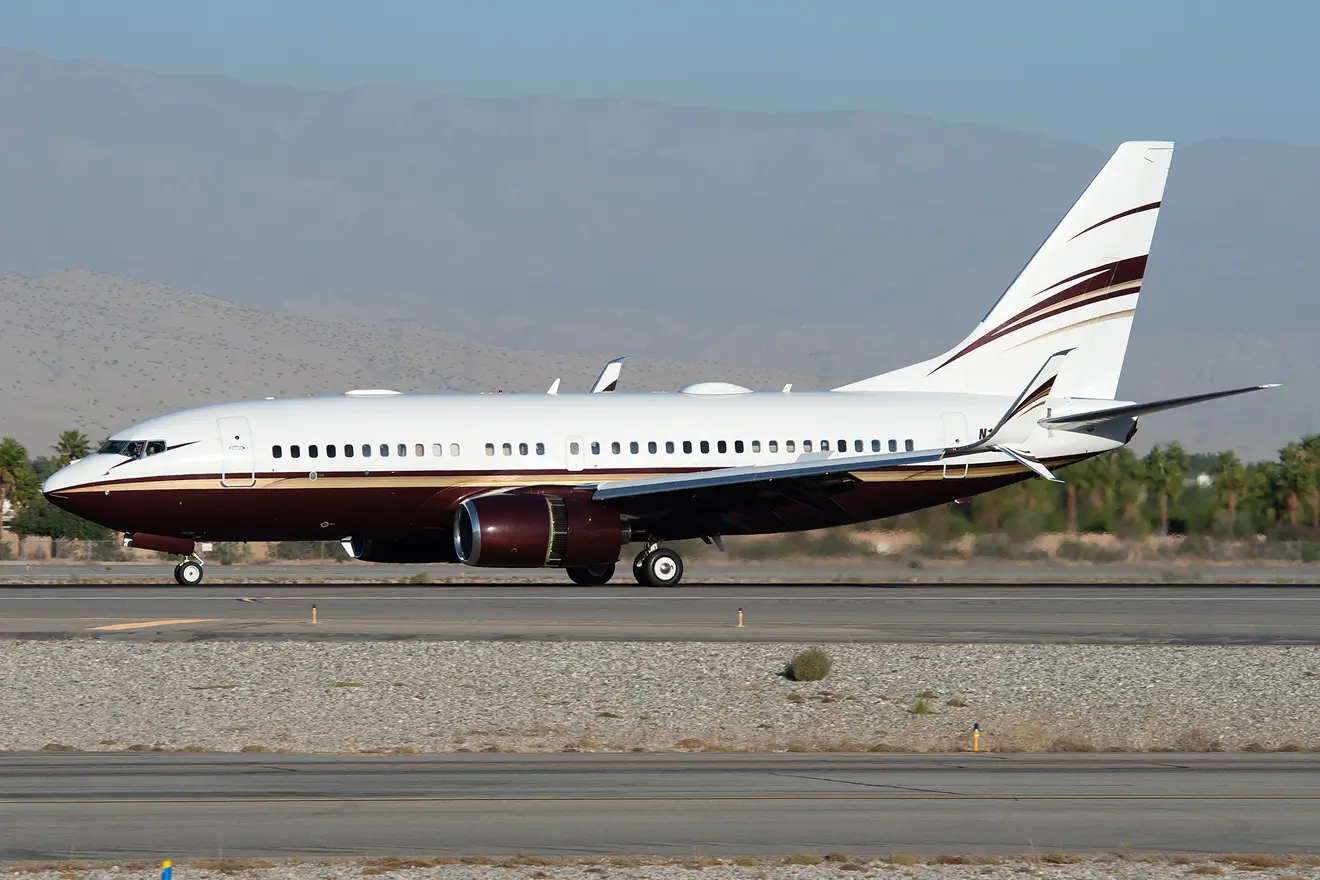
During the winter season, aircraft from major European airlines and tour operators become available for ad hoc and group charter use. Airlines are running reduced schedules and are more likely to offer layover capacity, which reduces the need for empty positioning flights and makes aircraft easier to source close to your departure point. This combination of wider availability and lower base rates means winter charter is often considerably more cost-effective than its summer equivalent. As a reference point, ad hoc ACMI rates for a Boeing 737-800 can sit in the range of EUR 2,000 to 2,500 per block hour in winter, compared to EUR 5,000 to 6,000 per block hour in summer. The scale of that difference, which can reach 50% or more, reflects how fundamentally the supply and demand picture changes between the two seasons.
During the summer season, aircraft availability tightens considerably, particularly for Boeing 737 and Airbus A320 family types. These are the workhorses of European leisure aviation, and during summer they are committed to scheduled tour operator programmes across the continent. Groups trying to source these types for ad hoc charter in July or August are competing with a market that has already absorbed most of the available capacity.
Summer also introduces operational constraints that do not apply in winter. Airport slots, parking, and handling arrangements are generally more restricted. Many high-demand leisure destinations, including airports serving the Greek islands, the Spanish islands such as Ibiza, and parts of the Italian coast, do not permit overnight aircraft parking during peak season due to limited apron space. This means that if your group's itinerary requires an aircraft to remain at the destination overnight, the operator may need to position the aircraft to a nearby airport for the evening and return it in the morning. That additional movement adds cost and complexity that needs to be accounted for in the budget from the outset.
Understanding which season your travel falls in, and what that means for the aircraft types you need, should be one of the first conversations in any group charter planning process.
Building a Meaningful Per-Head Comparison
The most useful way to compare charter against commercial alternatives is per-head total cost. This requires including all the elements that commercial booking often disaggregates or leaves off the invoice entirely.
For commercial group booking, the full cost includes ticket price per person, excess baggage fees for groups with equipment, ground transfer cost from hub airport to destination, transfer time as a staff cost (particularly for senior groups), accommodation costs if commercial timing requires an overnight, and a risk provision for delays that affect the programme.
For charter, the full cost includes aircraft rate plus any positioning flights, handling and slot fees, crew expenses where applicable, and ground transport. Ground transport from a secondary airport is often a shorter distance and lower cost than the equivalent transfer from a major commercial hub.
When you lay these side by side for a specific route and group, the results depend entirely on the particulars. The gap between charter and commercial varies dramatically based on group size, route, timing, season, positioning distance, and what the programme requires at the destination. Meaningful cost comparison requires a quote built around your actual scenario rather than a general estimate. Engaging a charter coordinator early in your planning process produces more accurate numbers than working from industry averages. The cost framework in our MICE group travel comparison illustrates how these trade-offs play out across three realistic scenarios.
Variables That Most Affect Charter Cost
Several factors move the charter cost picture significantly, and understanding them helps you plan a budget that reflects your specific situation.
Group size relative to aircraft capacity: A group that does not fill the aircraft it requires still pays for all of it. The per-head cost shifts considerably when you match aircraft capacity more closely to group size. This is the most important cost optimisation decision in the planning process, and it depends on having a reliable confirmed headcount rather than an estimate.
Season: As covered above, the aviation season your travel falls in affects both the base aircraft rate and the availability of your preferred aircraft type. Groups with any flexibility on timing should understand the seasonal boundary before fixing their dates, particularly if their programme falls near the March or October changeover points.
Positioning distance: Whether the aircraft is already based at or near your departure airport has a direct effect on the total quote. In summer, when available aircraft are spread thinly and may be working across the continent, a seemingly competitive hourly rate can be offset by a lengthy positioning flight to reach your departure point. Asking your coordinator specifically where the aircraft is based, and how that affects the positioning element of the quote, is one of the most useful questions in any comparison.
Lead time: Aircraft booked with sufficient advance notice typically reflect standard market conditions. Aircraft booked at short notice reflect scarcity, particularly in summer when the market is already tight. For groups planning major event travel, including tournaments, festivals, and corporate milestones, the booking window is one of the most controllable cost levers available. The booking timeline discussion in our tournament travel guide illustrates how pricing pressure builds as event dates approach.
Route symmetry: Some routes have aircraft already operating nearby. Routes where the aircraft naturally sits close to your departure point carry lower positioning costs than routes requiring significant repositioning. This factor is amplified in summer, when aircraft movements are more constrained and ferry legs can exceed the duration of the live flight itself.
Return timing and overnight requirements: Same-day returns where the aircraft waits on the ground have a different cost structure from multi-day itineraries. At peak summer destinations where overnight parking is restricted, the aircraft may need to be positioned away for the night and returned in the morning, which adds movement costs that need to be factored in from the planning stage rather than discovered in the final invoice.
Cost Planning Checklist
- Confirm firm headcount and identify a realistic variance range before approaching operators
- Identify the aviation season your travel falls in and understand how it affects rate and availability for your aircraft type
- Identify all possible departure and arrival airports, including secondary options
- Request quotes with positioning fees explicitly itemised, not folded into the aircraft rate
- Ask specifically where the aircraft is based and how the positioning element is calculated
- Check whether your destination has overnight parking restrictions during your travel period
- Build the full commercial alternative cost including transfers, excess baggage, and a realistic risk provision
- Compare per-head total costs, not headline ticket prices
- Assess lead time and whether earlier booking improves availability and rate
- Confirm crew overnight requirements for multi-day programmes before treating the aircraft rate as the ceiling
Frequently Asked Questions
Why does a charter quote sometimes vary significantly between operators for the same route?
The main factors are positioning costs (where each operator's aircraft is based relative to your departure point), aircraft age and specification, and operator margin structure. A quote that looks considerably cheaper may include a longer positioning flight that adds time to your total journey, or may be based on an older aircraft with different operating economics. In summer, the gap between quotes can also reflect differences in how operators are managing their committed programmes alongside ad hoc availability. Asking for positioning details and aircraft specification alongside the headline rate helps explain the variation and allows you to compare on a like-for-like basis.
How does the aviation season affect which aircraft types are available?
During summer, Boeing 737 and Airbus A320 family aircraft are heavily committed to scheduled tour operator programmes across Europe. These types become significantly harder to source for ad hoc group charter between late March and late October. Winter availability is considerably broader, and the rate differential between the two seasons can be substantial. If your programme dates fall near a seasonal boundary, it is worth discussing with your coordinator whether a modest timing adjustment opens meaningfully different options.
How does group size affect per-head cost most significantly?
The biggest cost shift comes when your group size pushes you into a larger aircraft category. Knowing your actual confirmed headcount rather than an estimate is the most valuable input for accurate cost planning. The earlier you can confirm it, the more accurately the quote reflects your real situation.
Are there ways to reduce charter cost without reducing group size?
Yes. Flexibility on departure airport, timing, season, and aircraft type all affect cost. Groups willing to depart from a secondary airport where an operator already has aircraft based often carry lower positioning fees in the quote. Flexibility on travel dates that shifts the booking from peak summer to shoulder or winter season can have a significant effect on the base rate. Accepting a different aircraft type than initially specified is another lever, provided the operational requirements are met.
How should multi-city itineraries be budgeted differently from single-leg charter?
Multi-city charter budgets need to account for each leg separately, including any positioning flights between legs. In summer, where overnight parking restrictions apply at certain destinations, additional positioning movements between legs may need to be built into the cost from the outset. The total cost structure is different from multiplying a single-leg rate. Our group charter coordination guide covers how multi-leg itinerary planning works from a cost and logistics perspective. The key budget question is whether the aircraft stays with your group throughout or is released between legs, as this affects both cost and operational risk in different ways.
If you're working through a group charter budget for a specific programme or event, our group charter team can provide a detailed cost breakdown for your routing, headcount, and timing. We work through the full comparison against commercial alternatives as part of the planning conversation, so you have what you need to make the case internally before committing.
Get in touch with any questions about your air charter needs