Corporate retreat travel has a specific set of requirements that scheduled commercial aviation is poorly suited to meet. The programme starts at a fixed time. The destination may not be well-served by commercial routes. The group needs to arrive together. And the travel itself should set the tone for what follows, not exhaust participants before the programme begins.
This guide covers the planning framework for corporate retreat charter, from aircraft selection through to ground coordination at the destination.
Why Commercial Aviation Creates Problems for Corporate Retreats
The structural issues with commercial aviation for retreat travel are well understood by anyone who has managed corporate group travel:
- Split arrivals: Individual bookings mean different flights, different arrival times, and participants scattered across the destination for hours before the programme can begin
- Connecting flight risk: Secondary destinations require connections. One delayed connection cascades through the group's arrival schedule
- Baggage constraints: Commercial hold allowances don't accommodate the combination of personal luggage, outdoor kit, and shared materials that retreats often involve
- Terminal stress: Beginning a programme focused on team cohesion by putting participants through a busy commercial terminal works against the event's purpose
- Schedule inflexibility: Commercial flight times don't align with programme logic. Departures dictate the itinerary rather than the other way round
Charter inverts these problems. One departure, one arrival, schedule determined by the programme.
Aircraft Selection for Corporate Retreats
Aircraft selection depends on group size, destination, and the tone of the programme:
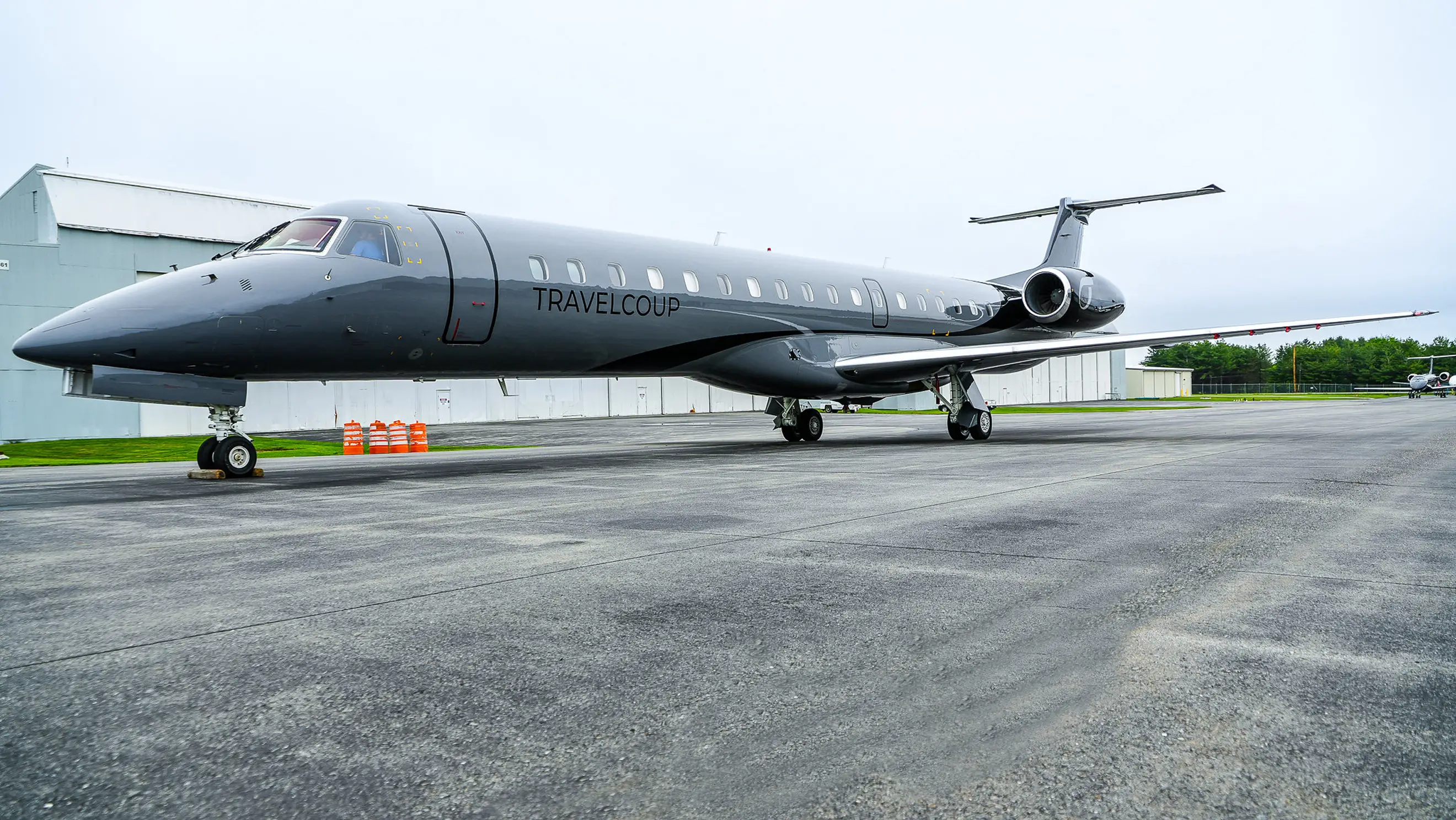
15–30 passengers: Turboprop aircraft (Dornier 328, ATR42, Embraer 135) or midsize jets suit this group size for European sectors. Turboprops provide access to smaller regional airports closer to remote retreat destinations. Jets provide speed advantage on longer sectors.
30–80 passengers: Narrow-body jets/props in charter configuration (ATR72, Dash 8 Q400, Embraer 145, CRJ900) carry this group efficiently. These aircraft operate to a wider range of airports than commercial narrow-bodies, including secondary fields closer to rural retreat venues.
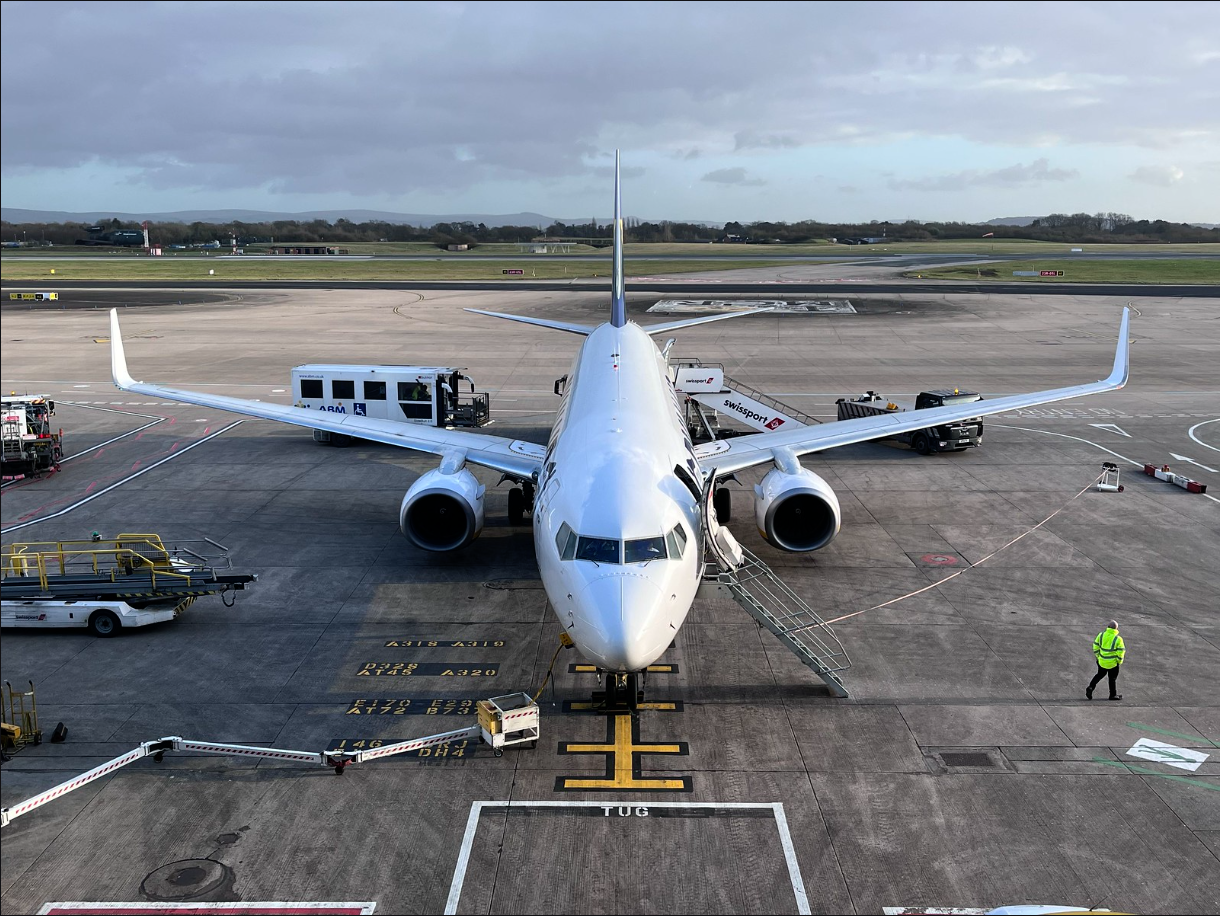
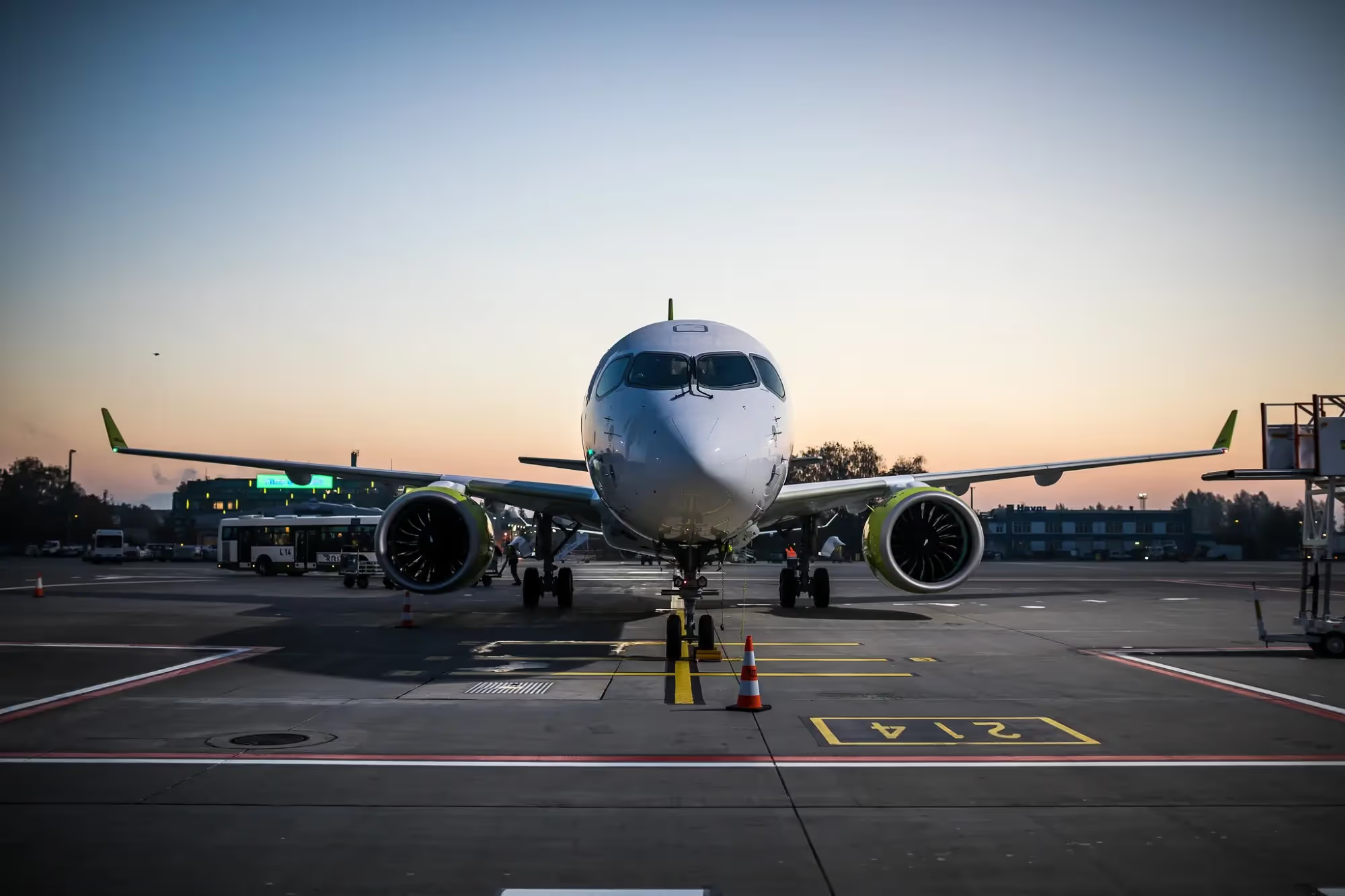
80–120 passengers: Full commercial aircraft in charter configuration such as Embraer 190, B737, A319. At this scale, charter competes directly with commercial on per-head cost while providing schedule control and group cohesion.
The programme location should drive aircraft selection as much as group size. If the retreat is at a venue accessible only through a regional airport, the aircraft must be able to use that airport. An experienced broker checks runway and infrastructure requirements before confirming aircraft type.
Planning Timeline
A practical planning timeline for corporate retreat charter:
8–12 weeks before: Confirm group size, dates, and destination. Brief broker to begin aircraft sourcing and pricing. At this stage, the brief is sufficient to establish budget parameters.
6–8 weeks before: Confirm aircraft and routing. Obtain firm quotation. Begin ground transport coordination at destination.
4 weeks before: Finalise passenger manifest. Confirm any dietary or catering requirements. Check documentation requirements for international destinations.
2 weeks before: Final passenger list with passport details for international routes. Confirm departure time and logistics with all participants. Share departure instructions.
1 week before: Brief the group on GA terminal logistics, which differ from commercial departure. Set expectations about a different kind of departure experience.
Catering and Cabin Configuration
Charter allows configuration choices that commercial aviation does not:
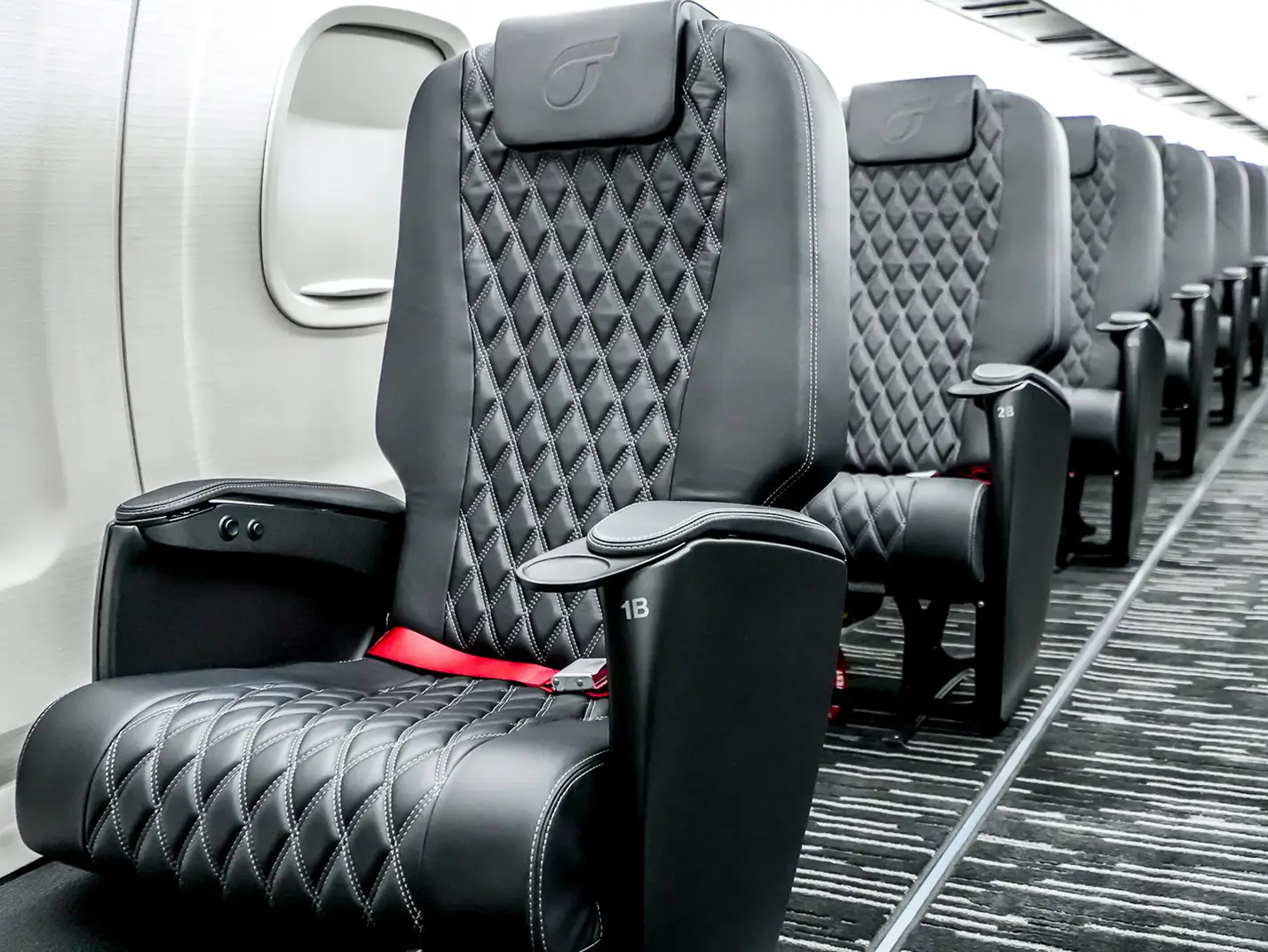
- Catering: Charter catering can be briefed specifically for the programme tone — working breakfast, celebratory drinks, dietary requirements across the group
- Branding: Some operators allow light cabin branding elements for corporate clients
- Seating: Cabin crew briefs can align with the event's communication needs — arrival information, programme schedules, team communications
These are operational details, but they matter for a programme where travel is part of the experience design.
Ground Coordination
Charter handles the flight. Ground coordination at destination is a separate but equally important element:
- Transport from destination airport to venue — coordinated arrival rather than individual transfers
- Luggage coordination for groups with shared equipment
- Return logistics, particularly if the programme end time is uncertain
A broker who understands the full journey coordinates these elements as part of the service brief, not as an afterthought.
Frequently Asked Questions
How far in advance should I book charter for a corporate retreat?
8–12 weeks gives the best aircraft availability and pricing. At 4 weeks, aircraft options narrow and pricing increases. Last-minute retreat charter is possible but constraining.
Can charter land at smaller airports near rural retreat venues?
Yes, and this is one of charter's primary advantages for retreat travel. Turboprop aircraft can operate from short runways and smaller regional fields that scheduled airlines don't serve.
What's the per-head cost comparison with commercial for a group of 50?
On most European routes, group charter for 50 passengers competes with business class per-head fares, particularly when you account for baggage costs, connection risk, and split arrival management. The comparison shifts further in charter's favour when the destination requires a connection.
Can the departure time be changed after booking?
Charter schedules can often be adjusted within reasonable limits, particularly for planned programmes. Changes closer to departure and during peak periods are harder to accommodate. Build schedule flexibility into the programme design rather than relying on last-minute flight time changes.
Get in touch with any questions about your air charter needs