Multimodal Logistics and Air Cargo Charter: How to Plan the Full Door-to-Door Movement
A cargo charter flight can execute perfectly and the delivery still fail. The aircraft departs on time, arrives on schedule, and the cargo sits on the apron for three hours because the ground transport at destination wasn't coordinated around the actual arrival window. Or the cold chain is maintained throughout the flight, then broken during a 90-minute wait for a temperature-controlled vehicle that wasn't pre-booked.
The flight is one segment of the movement. Planning the full door-to-door operation is what determines whether the charter actually solves the problem it was commissioned to solve.
Why the Handover Points Are Where Deliveries Fail
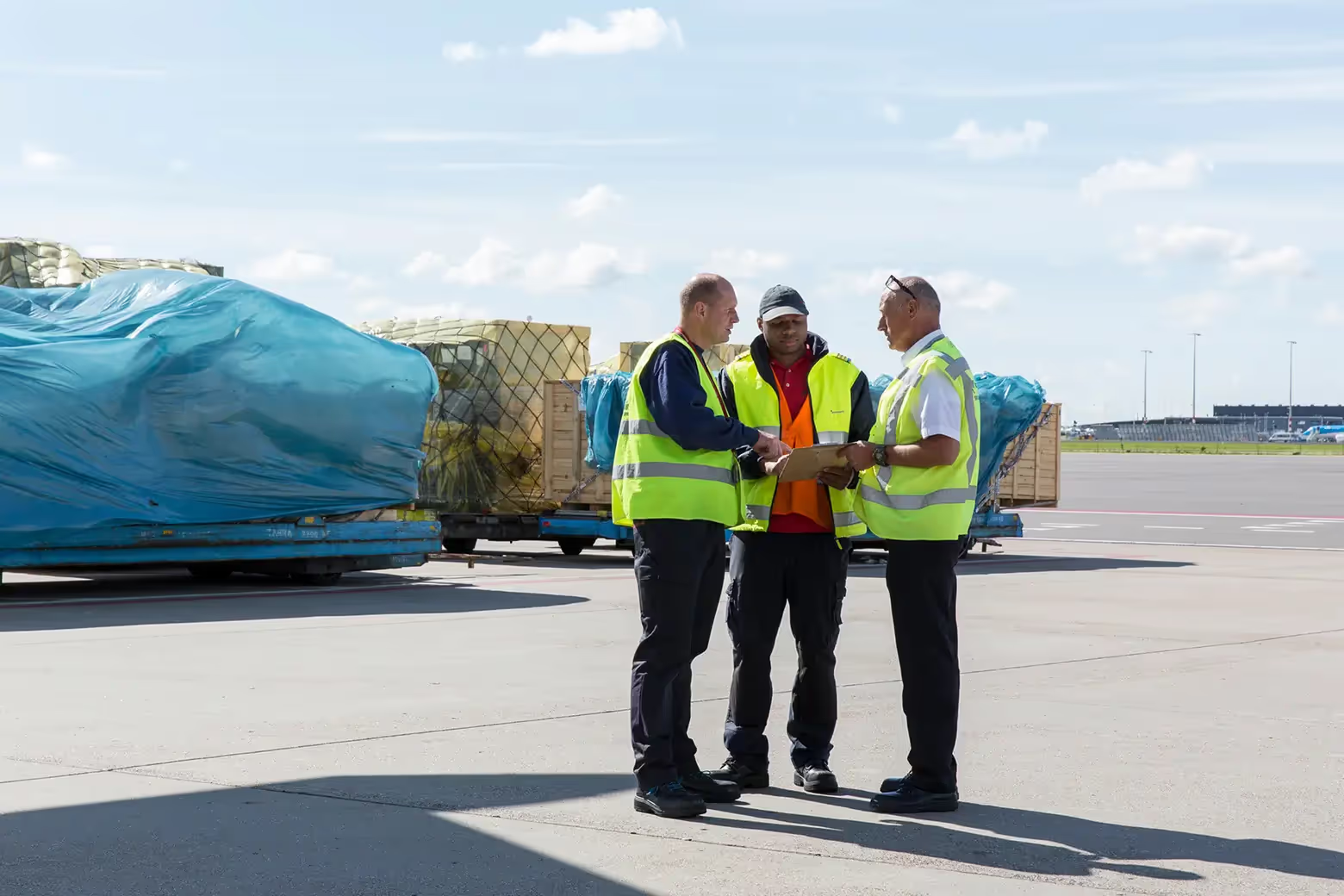
Most air cargo failures don't happen in the air. They happen at handover points: the transfer from road to air at origin, the transfer from aircraft to handling agent at destination, and the final mile from the cargo terminal to the receiving facility.
Each handover involves a gap between parties. When the charter broker coordinates only the flight, those gaps become your problem to manage. When the broker coordinates across the full movement, those gaps are anticipated and bridged before departure.
The practical difference isn't abstract. A truck that arrives two hours after aircraft landing because the driver was booked on estimated flight time rather than actual arrival confirmation is a real operational cost. A customs clearance agent not briefed on the cargo type or documentation requirements causes a delay that a three-hour heads-up would have prevented.
The Full Door-to-Door Movement: What It Actually Covers
A door-to-door air cargo movement typically involves:
- Origin collection: road transport from shipper facility to departure airport
- Export handling: documentation, security screening, ULD build or pallet configuration
- The charter flight itself
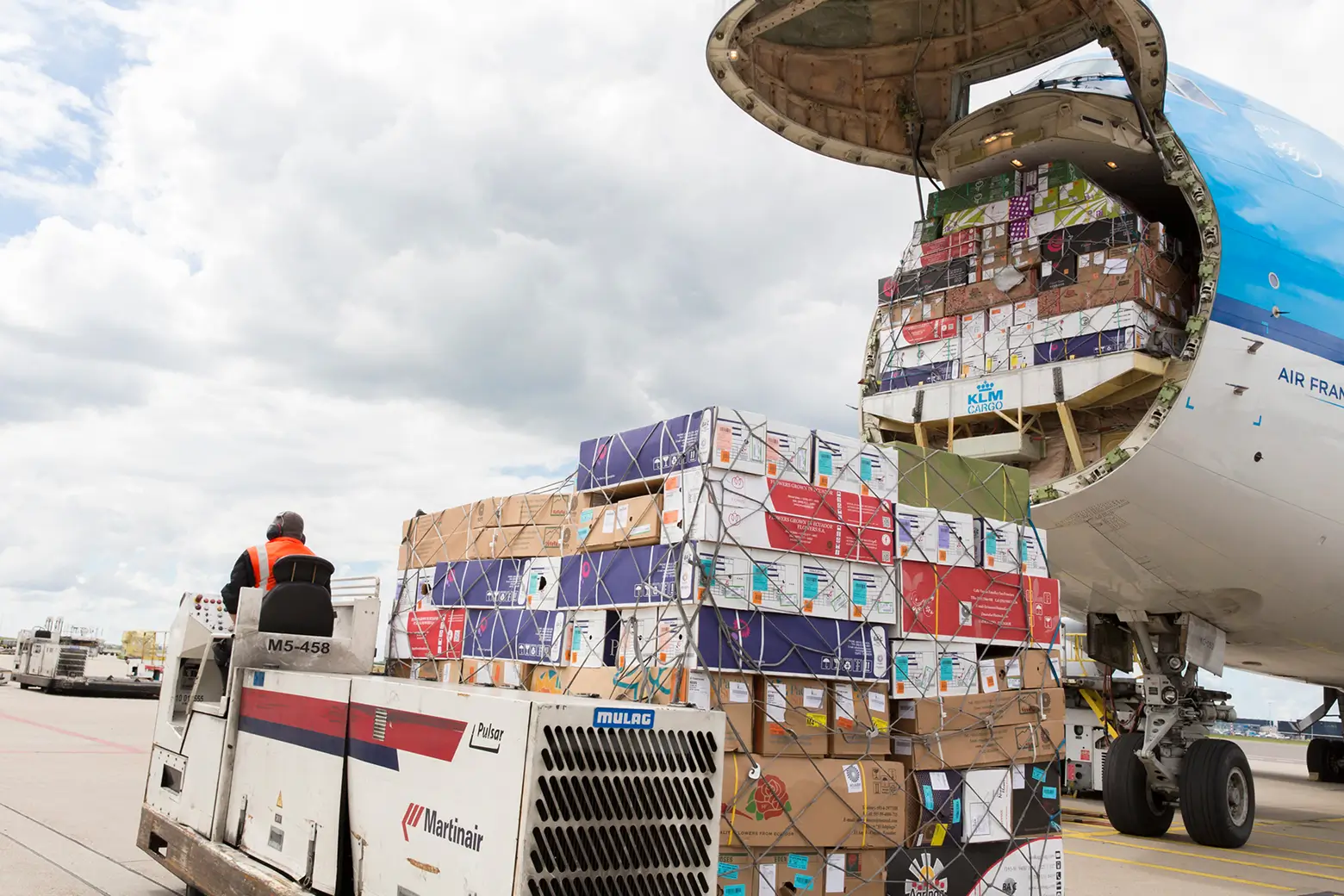
- Import handling at destination: aircraft offloading, cargo terminal processing, customs clearance, handover
- Final mile delivery: road transport from destination airport to receiving facility
Most cargo charter bookings cover the flight only. The multimodal approach coordinates all five stages as a single planned movement, with timing dependencies mapped before any part of it begins.
Our air cargo charter operations guide covers the full structure of how charter coordination works. The multimodal planning layer sits on top of that framework.
Ground Transport Coordination: The Often-Missed Stage
Origin ground transport is usually straightforward to arrange. The complexity is in timing. Charter flights are booked around cargo readiness, but cargo readiness is rarely exact. A 14:00 cargo ready time that slips to 17:00 changes the ground transport window, the handling agent slot, and potentially the aircraft departure time if the delay is significant enough.
Building appropriate buffer into origin coordination prevents these cascading delays. For time-critical shipments, having a truck on standby rather than on a fixed booking is a planning decision that costs marginally more but prevents a missed departure.
Destination ground transport is more complex because it depends on actual arrival time rather than planned arrival time. Slot restrictions, tech stops, and en-route ATC delays can all move the actual landing window. Ground transport that's booked on flight plan arrival and not updated when the real arrival time is confirmed arrives either too early (vehicle waiting with rising costs) or too late (cargo sitting unsecured on the apron).
The right approach is to book destination ground transport with a flexible window and update the vehicle coordinator when actual ETA is confirmed, typically at wheels-up or en-route update. This requires a communication chain between the flight coordinator and ground transport that needs to be established at booking stage, not improvised on the day.
Customs and Handling Considerations
For international charters, customs clearance is completed, cargo is handed over to the consignee or their logistics agent at the destination port. The customs agent needs to be briefed before departure, not after landing.
Pre-arrival documentation filing — where allowed by the destination country's customs authority — reduces clearance time significantly. For most EU destinations, pre-arrival entries are standard practice. For less common destinations, the process varies and needs to be confirmed with the customs agent in advance.
The handling agent at the destination airport is a separate party from the customs agent. They're responsible for receiving the cargo off the aircraft, moving it to the cargo terminal, and making it available for customs inspection or direct handover. Their slot needs to be booked in advance and confirmed against the actual arrival window, not the planned window.
For regulated cargo — pharmaceuticals, temperature-sensitive materials, dangerous goods — the handling agent needs specific capabilities confirmed before the shipment is booked. Not all cargo handling facilities at all airports have the equipment, certifications, or temperature-controlled storage necessary for regulated cargo. This applies to the destination airport in particular, where cargo may need to be held pending clearance. Our GDP compliance checklist covers the specific handling requirements for EU pharmaceutical cargo movements.
When a Single Charter Isn't Enough
Some movements require multiple flight legs. A shipment from a remote origin with no direct charter access to the destination may need a positioning leg to the nearest hub, a main charter leg to the destination hub, and a final leg to a smaller regional airport — or road transport for the final segment.
Multi-leg movements multiply the handover complexity. Each aircraft-to-aircraft transfer introduces a new handling agent, a new customs or transit documentation requirement, and a new timing dependency. The failure points multiply proportionally.
For multi-leg movements, the coordination requirement is highest at the intermediate points. A delay on the first leg must be assessed immediately for its impact on the second leg's departure window. If the delay is significant, the second aircraft may need to be rerouted, held, or rebooked entirely. Having a coordinator who manages across all legs rather than each leg independently is what makes multi-leg movements executable.
Common mistakes in cargo charter planning — including multi-leg movements — are covered in our common cargo charter mistakes guide. Many of them come down to the same root cause: treating the flight as the whole operation rather than one part of it.
Urgent Cargo and the Multimodal Challenge
Urgent movements amplify every coordination challenge. When a shipment needs to depart within six hours of notification, there's no time to build the coordination chain from scratch. Ground transport options, handling agent availability, customs documentation frameworks, and destination receiving arrangements all need to be confirmed within a compressed window.
For organisations that regularly ship urgent cargo, building these elements in advance — preferred ground transport partners, pre-approved customs frameworks, handling agent relationships at key airports — means that when an urgent shipment arises, the coordination layer is already in place. The flight is the only truly unpredictable element. Our guide on urgent cargo workflow optimisation covers how to structure these pre-built frameworks.
How Fliteline Coordinates Multimodal Movements
For charter movements we coordinate, we work across the full movement when clients need it. This means establishing the ground transport arrangements at both ends, confirming customs clearance agent briefing before departure, and managing communication between flight coordinator and destination receiving parties throughout the operation.
For time-critical cargo, we use destination arrival confirmation as a trigger for ground transport dispatch rather than planned arrival time. This reduces apron wait time and ensures the transport arrives within the actual receiving window.
For regulated cargo, we confirm destination handling capability as part of aircraft sourcing, not as a separate step after the flight is booked. A pharmaceutical shipment booked on an aircraft that arrives at an airport without temperature-controlled storage is a problem that should be caught at the brief stage, not at customs. If you're planning a cargo movement that involves multiple legs or regulated cargo, our cargo charter service page has details on how we structure multimodal operations, or you can speak directly with our team to discuss your specific movement. You can also find detailed information on the cargo aircraft guide to help identify the right aircraft for your load and route. Speak to the Fliteline team before confirming your timeline to ensure the full movement is covered.
Frequently Asked Questions
What does door-to-door air cargo charter actually include?
Door-to-door air cargo coordination covers origin ground transport, export handling and documentation, the charter flight, import handling and customs clearance at destination, and final mile delivery. Most charter bookings only cover the flight. A door-to-door approach coordinates all stages as a single planned movement with timing dependencies mapped before departure.
Why does ground transport coordination matter for air cargo charter?
Ground transport at both ends needs to be timed against actual flight timing, not planned timing. Delays in the air affect destination ground transport windows. If the vehicle is booked on estimated arrival time rather than updated against actual ETA, cargo ends up waiting on the apron or the truck arrives before the aircraft does. Coordinating ground transport as part of the charter operation, with real-time updates, prevents these operational gaps.
What's the difference between coordinating the flight and coordinating the full movement?
A flight-only booking puts the responsibility for handling agents, customs agents, and ground transport on the client. A full movement coordination approach maps all dependencies before departure and manages communication across all parties during the operation. The difference becomes visible at every handover point, particularly for time-critical or regulated cargo.
How do multi-leg cargo charter movements work?
Multi-leg movements require a separate aircraft for each leg, with cargo transferred between aircraft at intermediate points. Each transfer involves a handling agent, transit documentation, and a timing window that depends on the previous leg arriving on schedule. Coordination across all legs from a single point prevents the handover failures that make multi-leg movements complicated when each leg is managed independently.
Get in touch with any questions about your air charter needs