Air cargo charter means securing dedicated aircraft capacity to move freight that can't wait for scheduled services or requires specialised handling beyond standard cargo operations. Unlike booking space on commercial freight schedules, chartering gives you complete control over departure timing, routing, and aircraft configuration to match your specific cargo requirements and delivery deadlines.
This approach becomes operationally critical when component shortages threaten production lines, pharmaceutical shipments require unbroken cold chain integrity, or disaster response demands rapid deployment of relief supplies to destinations with limited infrastructure. The decision between charter and scheduled freight hinges on timing urgency, cargo value relative to delay costs, and handling requirements that standard services can't accommodate.
When Cargo Charter Makes Operational Sense
The charter versus scheduled freight decision starts with three qualifying questions: Can scheduled services meet your delivery window? Does your cargo require handling capabilities beyond standard operations? Will delay costs exceed charter premiums?
Time-critical situations where charter becomes necessary include AOG emergency response when grounded aircraft generate costs of €60,000-€180,000 daily, just-in-time manufacturing disruptions where missing components halt entire production lines, and pharmaceutical distribution maintaining cold chain integrity for temperature-sensitive medications worth millions.
Charter operations deliver value when scheduled freight networks can't reach your destination directly, requiring multiple connections that add days to transit time and increase cargo handling risks. Remote mining sites, offshore energy platforms, and humanitarian operations in conflict zones often lack scheduled cargo service entirely, making charter the only viable transport option.
Cargo value relative to delay costs determines charter feasibility. When a €240,000 industrial component prevents shipping a €18 million order, paying €54,000 for dedicated charter transport becomes straightforward business logic. The framework questions: What revenue or production value does delay prevent? What contractual penalties apply to late delivery? What competitive positioning do you lose from stock-outs?
Specialised handling requirements push many cargo types toward charter solutions. Oversized industrial equipment exceeding standard cargo holds, dangerous goods requiring specific aircraft certifications, and high-value shipments needing security-conscious transport all benefit from cargo charter coordination tailored to exact specifications.
Decision Framework for Charter Evaluation:
- Urgency: Delivery required within 24-72 hours
- Value: Cargo value or delay cost exceeds €120,000
- Routing: No direct scheduled service to destination
- Handling: Requires temperature control, oversized capacity, or security protocols
- Flexibility: Need departure timing aligned with production or operations schedule
When two or more factors apply, charter typically delivers better operational outcomes than attempting to force specialised cargo through standard freight networks.
How Cargo Charter Coordination Works
The charter process transforms your freight requirement into a dedicated aircraft operation through systematic coordination spanning route planning, aircraft selection, regulatory compliance, and ground handling integration.
Initial enquiry establishes operational parameters through detailed cargo specifications: dimensions, weight, packaging type, temperature requirements, and hazardous materials classification. Your delivery timeline defines routing options and aircraft availability, while destination infrastructure capabilities determine aircraft type restrictions.
We evaluate routing options balancing fuel efficiency, customs clearance requirements, and crew duty time regulations. Direct routing minimises transit time but may require larger aircraft burning more fuel, while technical stops reduce aircraft size requirements but add ground handling coordination and customs procedures.
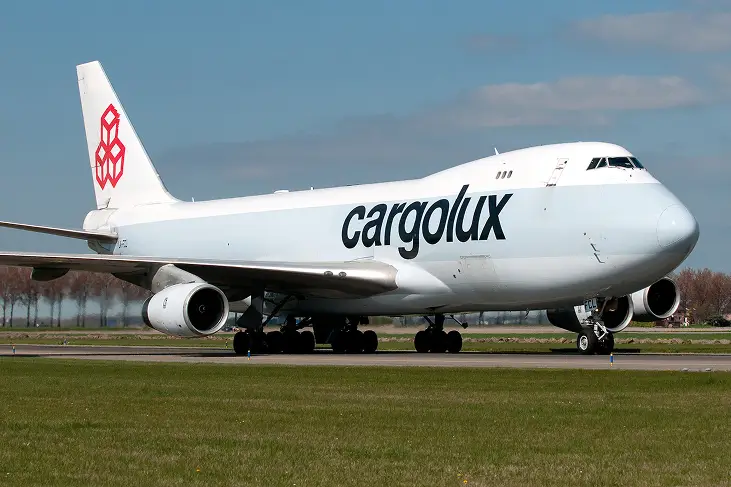
Aircraft selection matches cargo specifications to available capacity. Small cargo requiring urgent delivery fits turboprop aircraft like Cessna Caravans reaching remote airstrips. Mid-size freight moves via jets like Boeing 737-400F or Airbus A321P2F offering main deck cargo doors and containerised loading. Outsized cargo demands specialised aircraft like Antonov An-124 or Boeing 747F with nose-loading capabilities.
Charter coordination includes securing necessary permits, customs pre-clearance documentation, and ground handling arrangements at origin and destination. For pharmaceutical cargo this means GDP-compliant facilities with temperature-controlled storage. For dangerous goods, it requires certified handling teams and appropriate aircraft certifications.
The typical timeline from enquiry to delivery:
- Hour 0-2: Initial enquiry, cargo specification, timeline confirmation
- Hour 2-8: Aircraft sourcing, routing optimisation, cost estimation
- Hour 8-12: Permit applications, customs pre-clearance, ground handling booking
- Hour 12-24: Final aircraft confirmation, crew scheduling, slot reservations
- Hour 24-48: Cargo collection, security screening, loading operations
- Hour 48-72: Flight operations, customs clearance, final delivery
For crisis cargo response, we compress this timeline through pre-positioned relationships with aircraft operators, customs authorities, and ground handlers at frequently-served routes.
Communication protocols keep all stakeholders informed throughout operations. You receive aircraft departure notifications, routing updates if weather forces diversions, customs clearance status, and delivery confirmation with proof-of-delivery documentation. Real-time visibility matters especially for high-value cargo where stakeholders need confidence about shipment location and condition.
Key Cargo Types Requiring Charter Solutions
Different cargo categories drive charter requirements through specialised handling needs, time sensitivity, or value concentration that standard freight services can't accommodate properly.
Pharmaceutical and medical cargo represents the most handling-intensive charter category, requiring unbroken cold chain integrity from manufacturing facility to final destination. Vaccine distribution planning demands aircraft with temperature-controlled holds, GDP-compliant ground handling, and real-time temperature monitoring throughout transit.
Temperature excursions beyond specified ranges can render entire pharmaceutical shipments worthless, turning a €600,000 cargo load into waste if any cold chain break occurs. Charter operations provide dedicated temperature monitoring, minimised ground time reducing exposure risks, and direct routing eliminating connection points where temperature control often fails.
Medical equipment for emergency response requires rapid deployment paired with specialised handling. Portable hospitals, diagnostic equipment, and surgical supplies moving to disaster zones need charter coordination managing oversized dimensions, fragile instrumentation, and compressed timelines that scheduled services can't meet.
AOG (Aircraft on Ground) parts create the most time-critical charter scenarios, where grounded aircraft generate costs of €60,000-€180,000 daily for airlines depending on aircraft size and route revenue. A missing landing gear component or damaged engine part requires immediate replacement to return aircraft to service.
Charter operations for AOG situations prioritise speed above cost optimisation. We coordinate urgent cargo workflow including part collection from manufacturer or maintenance facility, direct routing to grounded aircraft location, and customs clearance expedited through AOG declarations recognised internationally.
Industrial and manufacturing cargo typically involves high-value components supporting just-in-time production systems where inventory buffers don't exist by design. Missing a delivery window by even hours can halt entire production lines generating costs far exceeding charter premiums.
Oversized industrial equipment often physically can't fit in standard cargo holds. Bridge components, manufacturing machinery, mining equipment, and energy sector hardware require specialised aircraft like Antonov An-124 with cargo hold dimensions accommodating freight up to 20 meters long.
Dangerous goods requiring specialised handling include lithium batteries, chemicals, radioactive materials, and industrial gases classified under IATA Dangerous Goods Regulations. Each classification requires specific aircraft certifications, crew training, and ground handling protocols that many scheduled operators won't accept.
Charter operations provide aircraft and crews specifically certified for your cargo classification, eliminating rejections common when attempting to ship dangerous goods through scheduled freight services.
E-commerce and seasonal cargo drives charter demand during peak periods when e-commerce cargo capacity on scheduled services sells out completely. Retailers facing stock-outs during holiday shopping periods often charter dedicated capacity to restock high-demand items rather than accepting lost sales.
Peak season Q4 planning should incorporate charter capacity options when scheduled space on critical routes shows advance booking saturation.
Cost Factors and Planning Considerations
Charter pricing reflects aircraft operating costs, positioning legs, crew duty time, fuel prices, and permit fees required for your specific routing and timeline.
Base aircraft operating costs vary by aircraft size and type. Turboprop aircraft like ATR 72F cost approximately €3,600-€5,400 per flight hour. Mid-size jets like Boeing 737-400F run €9,600-€14,400 per flight hour. Large freighters like Boeing 747-400F cost €21,600-€30,000 per flight hour.
Your charter quote includes flight time from origin to destination plus positioning legs if aircraft must reposition from its current location to reach your cargo. An aircraft based in Frankfurt but collecting cargo in Amsterdam adds 1 hour positioning leg at full hourly rate.
Fuel surcharges adjust pricing based on current jet fuel markets, typically adding 15-25% to base rates when fuel prices spike. Long-haul routes consume more fuel proportionally, making direct routing more expensive than shorter legs with technical stops.
Permit fees vary dramatically by country and routing complexity. Overfly permits for airspace transit, landing permits for origin and destination airports, and customs processing fees all add to total costs. Some regions require positioning permits just to position empty aircraft through their airspace.
Ground handling charges cover cargo loading, unloading, security screening, warehouse storage, and customs processing at both ends. Specialised handling like temperature-controlled storage, dangerous goods certification, or oversized cargo equipment adds premium charges.
Planning considerations affecting costs:
- Lead time: Booking 5-7 days advance reduces costs 15-25% compared to same-day requirements
- Routing flexibility: Accepting technical stops can reduce aircraft size needs and total costs
- Timing flexibility: Avoiding peak hours and weekend premiums saves 10-20%
- Return cargo: Providing return cargo eliminates positioning leg costs
- Contract rates: Establishing preferred provider relationships delivers volume discounts
For manufacturing cargo supporting strategic sourcing, building charter capacity planning into your logistics budget provides faster response than scrambling during emergencies when limited aircraft availability drives premium pricing.
Common first-time charter mistakes include underestimating customs clearance documentation requirements, missing destination airport operating hours restrictions, and failing to verify ground handling equipment availability for oversized cargo.
Cargo Charter vs Scheduled Freight: Decision Framework
Understanding when charter provides better operational and financial outcomes than scheduled freight requires comparing capabilities across key decision factors.
For scenarios requiring immediate operational decisions, consider these comparative examples:
Scenario 1: Manufacturing Component (High Urgency, High Value)
- Cargo: €600,000 component preventing €12M order shipment
- Delay cost: €240,000 daily in prevented revenue
- Charter cost: €54,000 for 48-hour delivery
- Scheduled cost: €9,600 for 5-day delivery
- Decision: Charter saves €480,000+ in prevented delay costs
Scenario 2: Regular Pharmaceutical Distribution (Moderate Urgency)
- Cargo: €180,000 medication batch requiring cold chain
- Scheduled service: Available with cold chain capability in 4 days
- Charter option: 48-hour delivery at €30,000
- Decision: Scheduled freight acceptable unless stock-out imminent
Scenario 3: Seasonal Retail Inventory (Peak Period)
- Cargo: €360,000 electronics inventory during holiday peak
- Scheduled space: Sold out for 14 days
- Lost sales exposure: €960,000 from stock-outs
- Charter cost: €48,000 for 3-day delivery
- Decision: Charter prevents stock-out losses exceeding 20x charter cost
Planning cargo charter operations requires evaluating your specific cost structure, delivery requirements, and risk tolerance across these decision factors.
Specialised Charter Operations
Beyond standard cargo movement, specialised charter operations serve unique requirements in manufacturing, humanitarian response, and cross-border logistics.
Just-in-time manufacturing support through dedicated charter capacity provides supply chain insurance when component suppliers can't maintain delivery reliability or when production scale-up demands accelerated material flows beyond scheduled freight capacity.
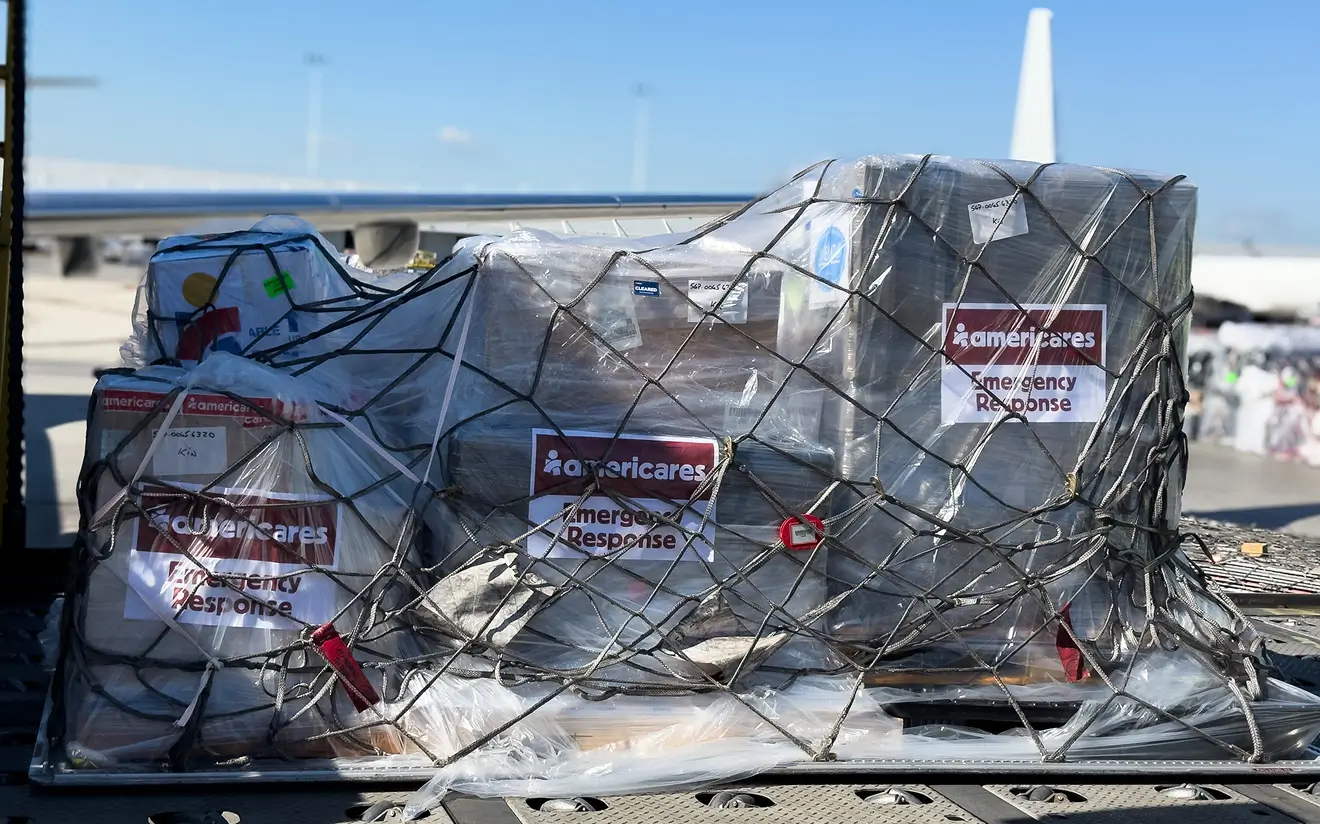
Humanitarian cargo operations require coordinating relief supplies into disaster zones with damaged infrastructure, limited customs resources, and security challenges that scheduled operators won't serve. Charter operations provide flexible routing, rapid response, and capability to operate in challenging environments.
Customs and regulatory considerations affect international charter routing significantly. Some destinations require advance cargo manifests 24-48 hours before arrival, creating timing conflicts with urgent charter requirements. Understanding destination customs procedures prevents costly delays after aircraft arrive.
Multimodal integration connects air charter with ground transport, creating seamless door-to-door solutions. Cold chain handover procedures at remote airports require coordination ensuring temperature-controlled transport meets aircraft to maintain pharmaceutical cargo integrity.
Sustainable charter operations incorporate carbon offset programmes and sustainable aviation fuel options for organisations tracking supply chain emissions.
Equipment Categories for Different Cargo Needs
Aircraft selection matches cargo specifications to capacity, range, and loading capabilities required for your operation.
Small cargo aircraft like Cessna Caravan 208 handle urgent documents, small parts, and medical supplies up to 1,500 kg. These turboprops access shorter runways at remote locations where jets can't operate, making them ideal for mine sites, offshore platforms, and humanitarian operations.
Small cargo aircraft options include capacity ranging from 500 kg for light twins up to 3,000 kg for larger turboprops.
Mid-size freighters like Boeing 737-400F or Airbus A321P2F offer 20-25 tonnes capacity with containerised loading through main deck cargo doors. These jets handle most commercial charter requirements including palletised freight, temperature-controlled cargo, and dangerous goods within certified limits.
Boeing 767-300F aircraft provide 50+ tonnes capacity for larger charter requirements while maintaining operational efficiency through high cargo volume routes.
Heavy lift aircraft like Antonov An-124 or Boeing 747F specialise in outsized cargo that physically won't fit in standard freighters. Industrial machinery, energy sector equipment, and aircraft components often require these specialized aircraft with nose-loading capability and cargo hold dimensions supporting 20+ meter long freight.
For specific missions requiring tight space access, consider helicopter vs fixed-wing options where rotorcraft vertical takeoff capability enables delivery to locations without runway infrastructure.
FAQ: Air Cargo Charter Operations
What makes cargo charter different from booking space on scheduled flights?
Charter provides dedicated aircraft capacity with complete control over departure timing, routing, and aircraft configuration. Scheduled freight books available space on existing airline schedules, where your cargo competes with other customers for limited capacity and follows fixed airline timetables and routing.
How far in advance should I book cargo charter?
For standard requirements, booking 5-7 days advance provides better aircraft availability and pricing 15-25% below same-day rates. Emergency situations like AOG can be coordinated within 8-12 hours when aircraft availability and routing permit, though costs increase significantly for immediate requirements.
What documentation do I need for international cargo charter?
International shipments require commercial invoice, packing list, air waybill, export declarations, import permits where applicable, and dangerous goods declarations if relevant. Pharmaceutical cargo adds GDP compliance certificates and temperature validation reports. Each destination country may have specific requirements, so customs clearance planning should start when booking charter.
Can charter handle temperature-sensitive pharmaceutical cargo?
Yes, charter operations accommodate pharmaceutical cargo requiring strict temperature control through GDP-certified aircraft, temperature-controlled ground handling, and real-time monitoring throughout transit. Charter actually provides better cold chain integrity than scheduled services by eliminating connection points where temperature control often fails and minimising ground time.
What cargo size triggers charter over scheduled freight?
There's no universal weight threshold, as charter decisions depend on urgency and value rather than size alone. However, shipments under 500 kg rarely justify charter costs unless urgency or specialisation demands it. Shipments over 5,000 kg often find charter more cost-effective than buying extensive scheduled capacity. The decision framework balances cargo value, delay costs, and handling requirements against charter premiums.
How do I track cargo during charter operations?
Charter operations provide departure notifications, flight tracking information, customs clearance status updates, and delivery confirmation with proof-of-delivery documentation. For high-value cargo, real-time tracking systems offer continuous visibility through GPS-enabled tracking devices recording location, temperature, and shock data throughout transit.
What happens if weather delays my cargo charter?
Charter operations build contingency routing into flight planning to manage weather disruptions. If delays occur, we coordinate alternative routing, communicate revised delivery timelines, and arrange temporary storage if needed. Charter provides more routing flexibility than scheduled services, as dedicated aircraft can divert to alternate airports without disrupting other cargo commitments.
Understanding Air Cargo Charter Value
Cargo charter delivers value not through lower per-kilogram costs, but through preventing delay costs that far exceed charter premiums. When production lines halt, when pharmaceutical shipments lose cold chain integrity, when contractual penalties apply to late deliveries, the true cost calculation includes prevented losses rather than just transport rates.
The air cargo charter landscape continues evolving through new aircraft types, expanded route networks, and specialised capabilities serving specific industry needs.
Understanding common cargo charter use cases helps identify when your cargo requirements match charter capabilities. The decision framework starts with three questions: Can scheduled services meet your delivery window? Does your cargo require specialised handling? Will delay costs exceed charter premiums?
When facing time-critical cargo challenges, working with experienced charter coordinators provides access to aircraft availability you can't source directly, regulatory expertise managing international operations, and ground handling relationships ensuring seamless cargo transitions. If you're evaluating cargo charter for urgent delivery requirements or specialised handling needs, we're happy to discuss your specific situation and explore whether charter provides the right solution for your logistics challenges.
Get in touch with any questions about your air charter needs