Concert tour charter coordinates group flights for artists, crew members, and production equipment across multi-city schedules where commercial aviation can't reliably match show timing. When a 60-person touring party needs to move from Birmingham to Amsterdam the morning after a show, with instrument cases, sound equipment, and staging materials, the logistics of that movement determine whether load-in happens on time or production scrambles to catch up.
This guide covers how touring productions approach group charter planning, from initial routing decisions through to show-day coordination.
When Does Tour Charter Make Sense?
Not every tour requires charter. The decision depends on schedule density, group size, and how much the tour can absorb commercial delays before show operations are affected.
Charter becomes the right choice when three or more of these factors apply:
- Shows on consecutive days in cities more than 300km apart
- Touring party of 20 or more people travelling together
- Equipment volume that exceeds standard commercial baggage allowances
- Departure windows within 90 minutes of show end
- Destinations served by secondary airports that are closer to venues
For smaller acts or tours with generous travel days between shows, scheduled services with group booking often work well. The tipping point is usually schedule density combined with equipment volume. Our group charter vs scheduled services guide walks through this decision framework in detail for any group travel context.
Planning the Routing Around Show Schedules
Tour routing works backwards from show times. Load-in windows, soundcheck schedules, and show-end times determine the latest viable departure and the earliest required arrival at the next venue city.
A standard planning sequence looks like this:
- Map all show dates, venues, and city pairs across the tour run
- Identify show-end times and calculate minimum turnaround to airport
- Establish latest viable departure times for each movement
- Determine required arrival times based on load-in windows at the next venue
- Match aircraft range and capacity to each routing requirement
- Identify where secondary airports reduce ground transfer time
The difference between flying into a major hub versus a secondary airport closer to the venue can mean two hours of ground transfer. On a heavy touring schedule, that time matters directly to production quality at the next show.
Equipment Logistics: What Changes with Charter
The equipment coordination challenge for touring productions shares planning principles with other group travel contexts. Musical instruments, particularly fragile items like custom guitar rigs or vintage keyboards, need protective positioning in hold configurations. PA components, lighting rigs, and staging elements that travel with the touring party rather than on a separate freight run require advance planning against aircraft hold dimensions.
Charter removes the commercial baggage system from the equation entirely. Equipment loads under the touring party's supervision, travels in a single hold as a complete manifest, and unloads directly to production vehicles. That control matters most when a specific piece of equipment is irreplaceable for the show. Our guide to match-day equipment logistics covers hold configuration, manifest preparation, and loading sequences in depth, and these principles apply directly to touring productions.
One practical difference: touring productions often split equipment between aircraft charter and separate freight runs. Heavier production elements that don't need to travel with the artist party can move via cargo charter on different timing, reducing the passenger aircraft hold requirement and allowing a smaller, more economical aircraft for the artist and crew movement.
Aircraft Selection for Touring Groups
Touring group size and schedule requirements typically point toward one of three aircraft categories:
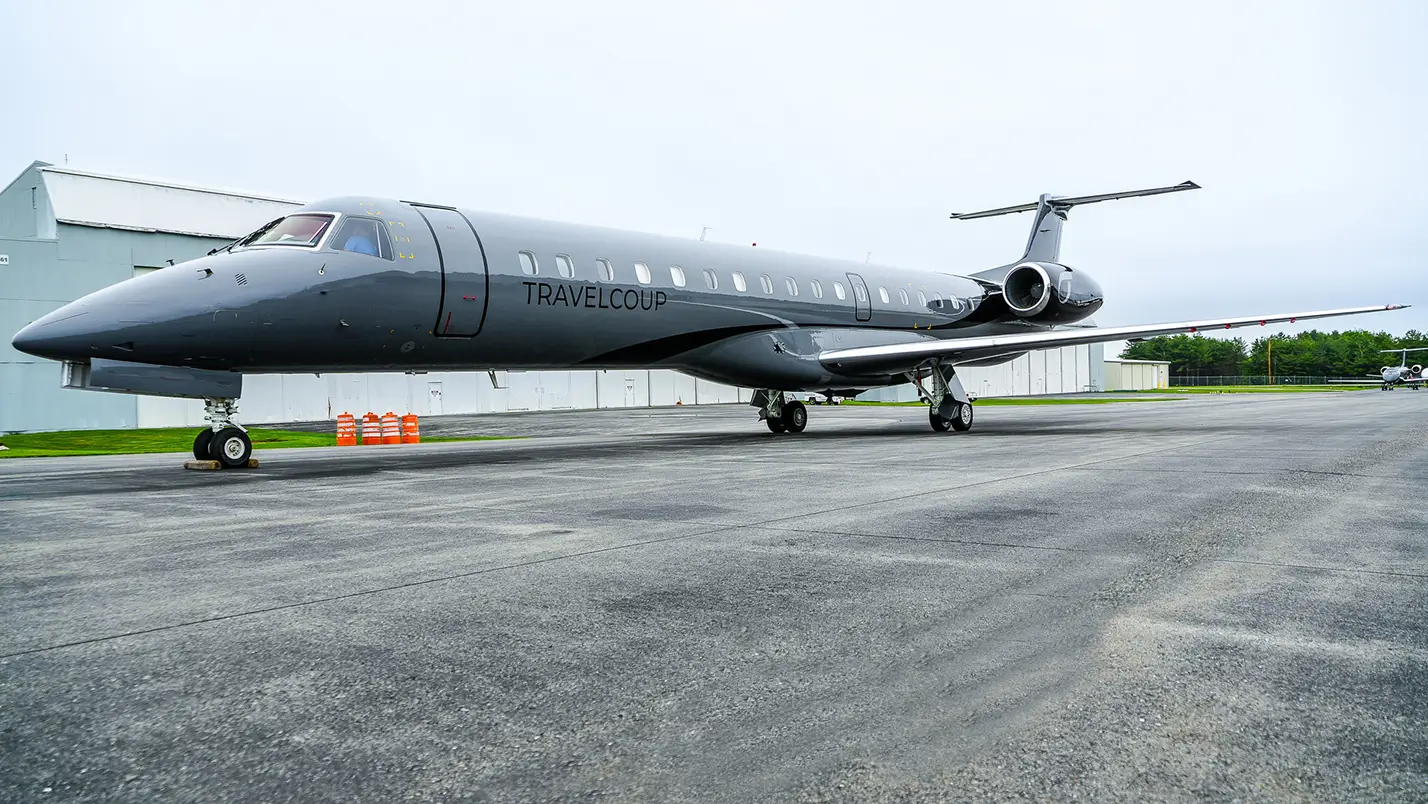
Regional jets (20-50 passengers): Embraer E-Jets or similar cover most European and short-haul international tour routing. They access secondary airports that bring the touring party closer to venues, and their hold capacity handles a core equipment load alongside checked bags for a standard touring party.
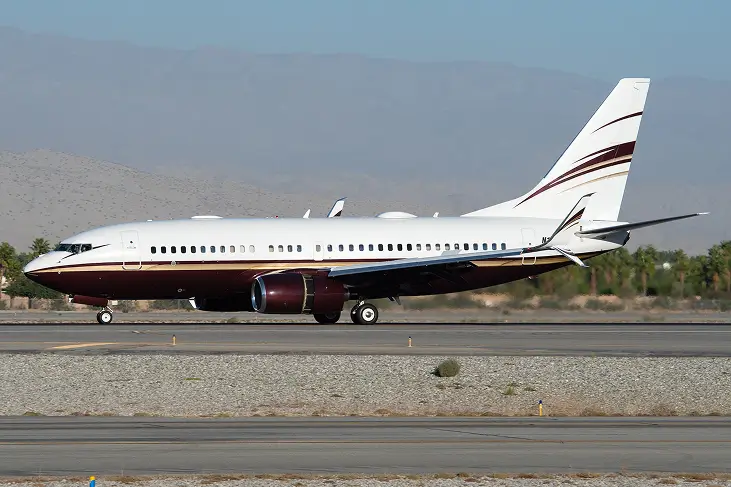
Narrowbody airliners (50-180 passengers): Boeing 737 or Airbus A320 family aircraft suit larger touring parties, or tours where the full crew needs to move together. Their longer range covers transatlantic legs when tours cross between Europe and North America.
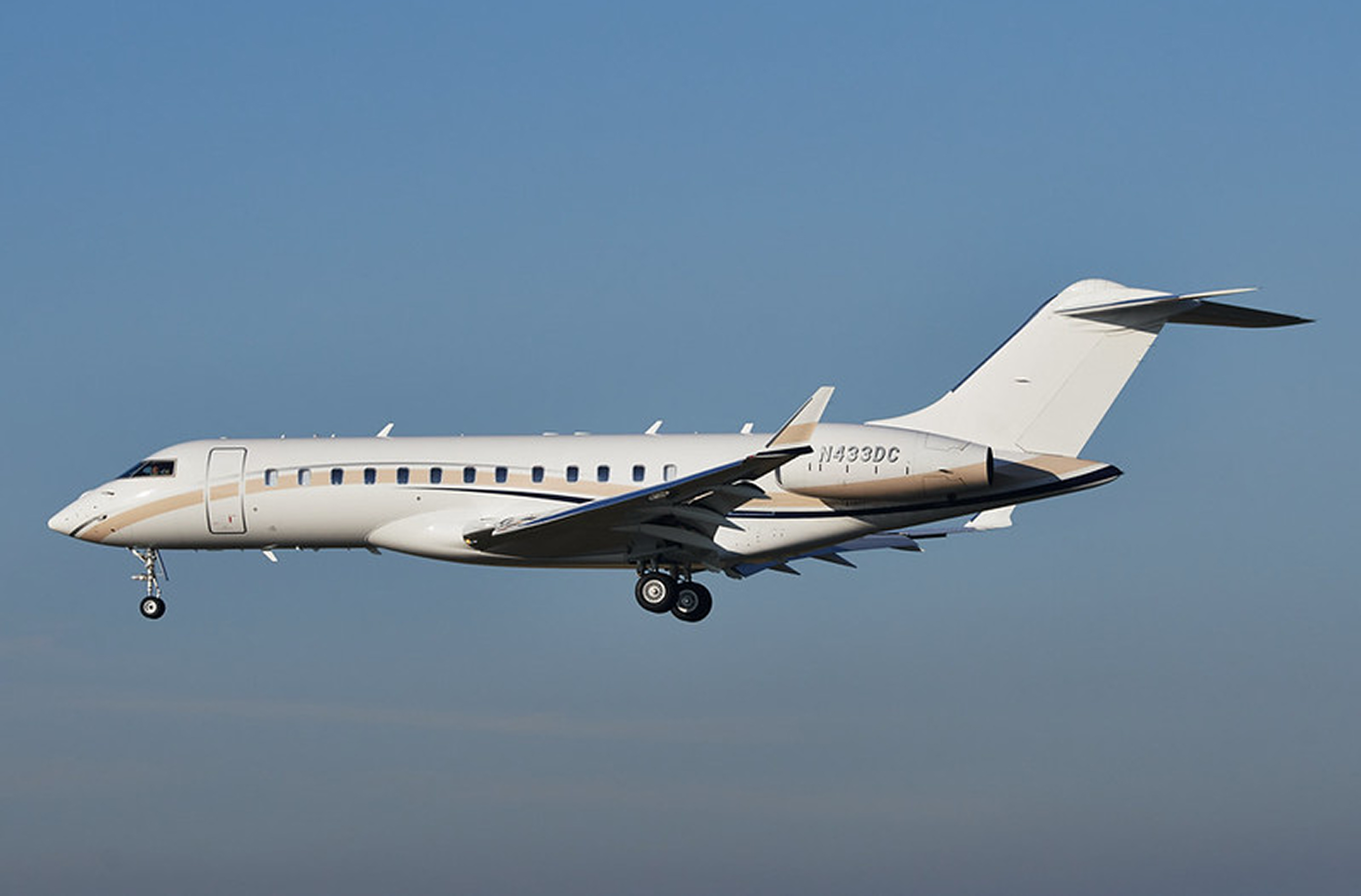
Wide-cabin business jets (8-16 passengers): Artist-only movements between venues, particularly when the wider crew travels separately, often use business jets. These aircraft access a wider range of secondary airports and offer more schedule flexibility for last-minute routing changes. For a full overview of how aircraft type, capacity, and range interact across group sizes, our aircraft selection guide covers the key decision factors.
Tour Charter Coordination Checklist
8 weeks before first charter movement:
- Confirm touring party headcount by travel group (artist, band, crew, production)
- Map all charter movements with show-end times and load-in windows
- Identify equipment travelling with artist party versus separate freight
- Share equipment manifest with charter coordinator for aircraft compatibility check
2 weeks before each movement:
- Confirm final passenger manifest for each flight
- Verify ground transport timing from venue to departure airport
- Confirm arrival ground transport and venue access at destination
- Check cross-border documentation requirements for international legs
Day of travel:
- Confirm equipment loaded and manifest verified before touring party boards
- Maintain buffer between show end and transport departure
- Confirm destination ground crew ready for immediate unloading
Frequently Asked Questions
How far in advance should touring productions book group charter?
For European tour runs with multiple charter movements, booking 8-12 weeks in advance provides good aircraft availability and allows routing to be confirmed around final show schedules. Peak touring seasons (spring and autumn in Europe) narrow availability faster. Productions with flexibility on aircraft type can often arrange movements with shorter lead times, though aircraft choice becomes more limited.
Can charter accommodate last-minute routing changes as tour conditions develop?
To a degree. Aircraft can be repositioned when operational requirements shift, though last-minute changes affect cost and sometimes availability. Building flexibility provisions into the initial agreement helps manage this. Communicating potential change scenarios to the charter coordinator early means contingency options are identified before they're urgently needed.
How does touring production equipment travel differently from standard group baggage?
Production equipment requires advance manifest preparation specifying item dimensions, weights, and any fragile items needing protective positioning. This affects aircraft hold assessment and loading sequence planning. Items exceeding standard baggage door dimensions may require specific aircraft configurations or cabin storage arrangements. Sharing a detailed manifest at booking stage prevents complications at the departure point.
What group size typically makes charter more cost-effective than commercial booking for a tour?
Touring parties of 30 or more people with significant equipment, on schedules where commercial connections would require overnight stays between shows, typically find charter cost-competitive when the full logistics picture is considered rather than just per-seat price. Route, timing, and equipment needs all affect the comparison.
If you're planning a touring production with multi-city group movements, our group charter team is happy to discuss routing options and aircraft suitability for your specific schedule. We work with touring productions across music, theatre, and entertainment, and understand that show schedules don't accommodate the variables that commercial aviation introduces.
Get in touch with any questions about your air charter needs