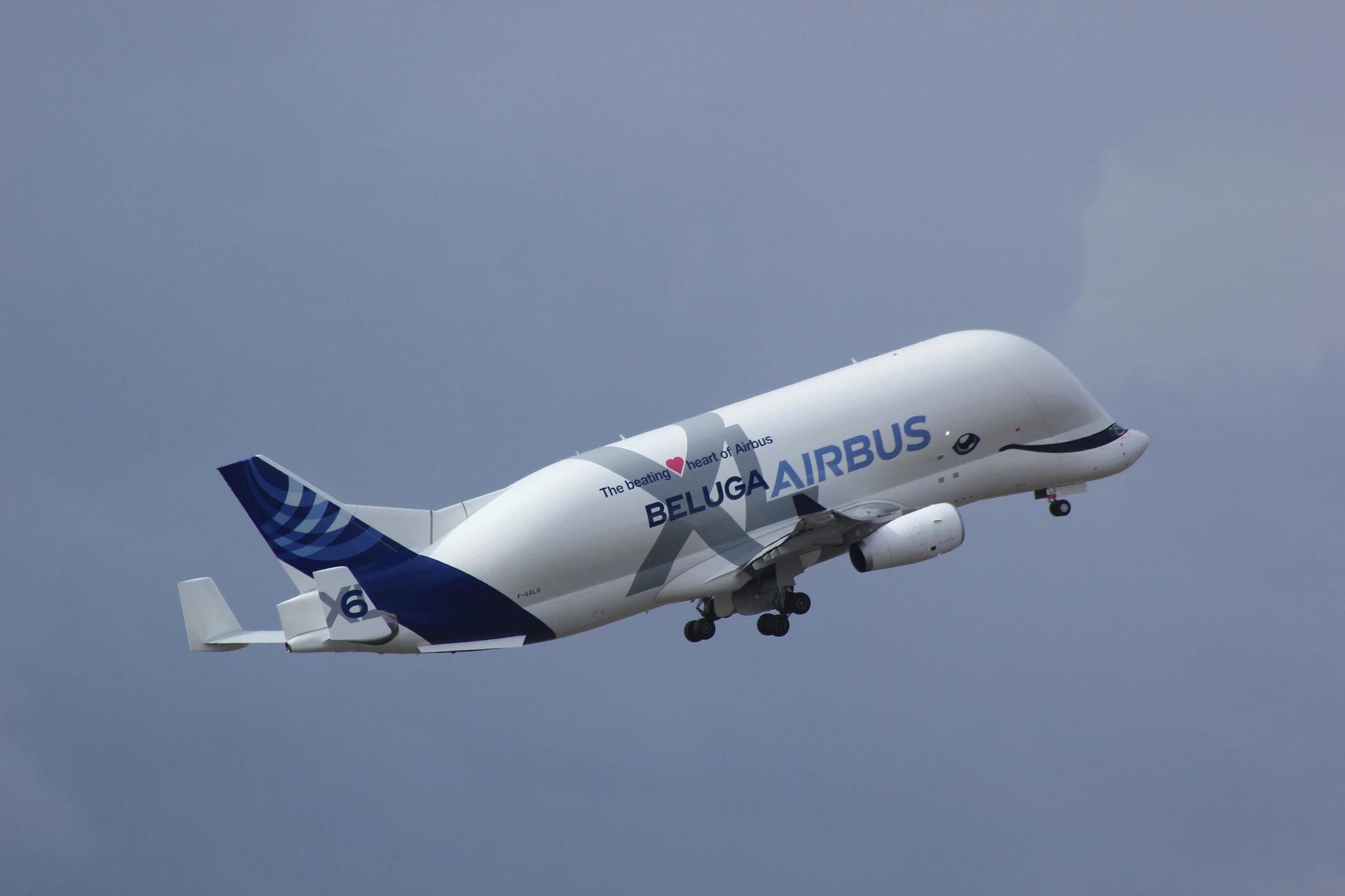
Look up at the right moment over Toulouse, Hamburg or Broughton and you may see something that looks more like a whale than an aircraft. It is a BelugaXL, and it is almost certainly carrying part of another aircraft.
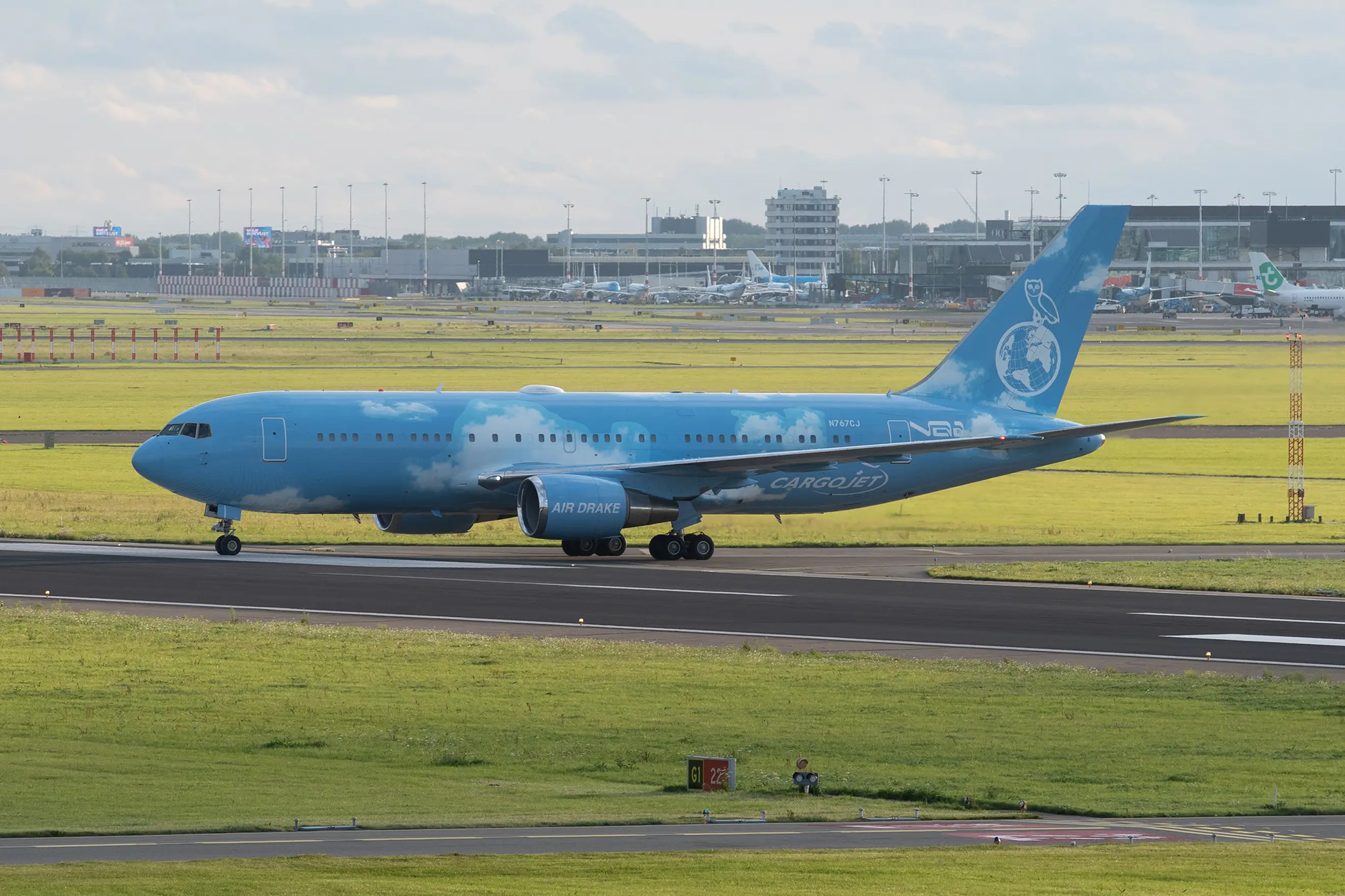
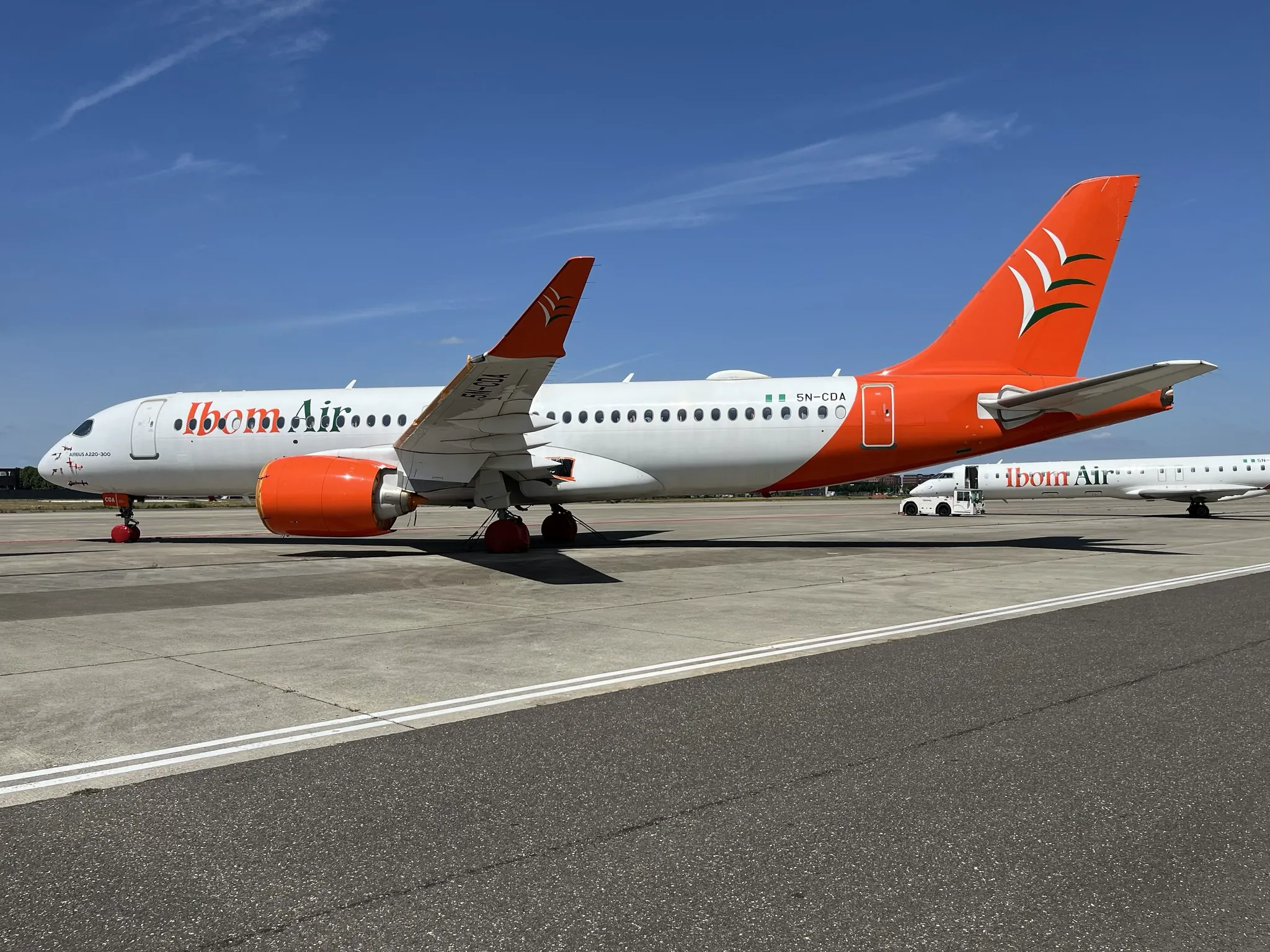
Airbus builds its aircraft in pieces across Europe and joins them together on a small number of final assembly lines. Since 1971 it has moved the largest of those pieces by air, using three generations of specially built transporters. The photographs in this article come from our own album, and between them they cover all three.
Why fly the parts at all
Airbus began as a partnership between European manufacturers. On the A300, its first aircraft, Britain built the wings, Germany built the forward and rear fuselage and Spain built the tail, with work also shared with France and the Netherlands. Final assembly took place in Toulouse, according to this history of the Airbus Super Guppy fleet.
Those sections were too large for rail, and road and sea took days. So Airbus planned from the start to fly them. The question was what with.
Super Guppy: Airbus's first transporters were Boeings
The answer came from the American space programme. In the early 1960s NASA needed to move Saturn rocket stages from the West Coast to Florida. Jack Conroy, a former airline pilot, set up Aero Spacelines and converted Boeing 377 Stratocruisers, the civil version of the C-97 military transport, into outsize freighters. The Super Guppy first flew in August 1965.
The version Airbus wanted was the Super Guppy Turbine, which first flew in 1970. It replaced the piston engines with T56 turboprops, the same engine as the C-130 Hercules, and was the first Guppy with a pressurised cockpit. Under that enormous upper fuselage sat a Boeing 377 cockpit, wings, most of the tail and main landing gear, plus a nose gear taken from a Boeing 707.
So yes, Airbus's first parts carriers were Boeings. Airbus took its first Super Guppy Turbine in 1971 and a second in 1973. A 1979 agreement added two more, and this time Airbus held the production rights. The French airline UTA built them as main subcontractor, so the last two Boeing-based Guppies were assembled in France for Airbus. Mentour Pilot tells the full story.
Airbus ran the service under the name Airbus Skylink. The four aircraft started with A300 sections and went on to carry parts for the A310, A300-600, A320, A330 and A340.
They had one weakness. To load, the crew swung the entire nose open, which meant disconnecting the flight controls and wiring, then reconnecting and testing them before every departure. As production grew, an ageing fleet with a slow turnaround could no longer keep up.
A300-600ST Beluga: built for the job
Airbus answered with an aircraft of its own. Work began in 1991, led by Super Airbus Transport International, a company formed by Aérospatiale and Deutsche Aerospace. They took the A300-600 airliner, lowered the cockpit and built a vast cargo hold above it. The official name was A300-600ST, for Super Transporter. Everyone else called it the Beluga, and Airbus eventually made the nickname official.
The first Beluga flew on 13 September 1994 and entered service in January 1996. Its hold is 37.7 metres long and 7.4 metres in diameter, with a payload of up to 47 tonnes. Cargo goes in through a door above the cockpit, so the flight controls stay connected and turnarounds are far quicker. Flightradar24's Beluga history has more detail.
Five were built. The first four arrived by mid-1998, and the fifth, F-GSTF, followed in January 2001. The Super Guppies retired in 1996 and 1997. One went to NASA in exchange for European Space Agency components for the International Space Station and still flies for the agency. The other three are preserved at Bruntingthorpe in the UK, at Aeroscopia in Toulouse and at the Airbus site in Hamburg.
The Beluga also built a reputation for unusual jobs. In 1999 it flew Delacroix's painting Liberty Leading the People from Paris to Tokyo. In 2006 it delivered the Columbus laboratory for the International Space Station. Between 2022 and early 2025, Airbus even offered the fleet for outside charter before closing the service.
A330-743L BelugaXL: more of everything
By the 2010s, the A350 and rising single-aisle production were stretching the Beluga fleet to its limit. Airbus launched the BelugaXL in 2014, this time based on the A330-200 freighter. It first flew on 19 July 2018 and entered service in January 2020.
The XL is six metres longer and one metre wider than the Beluga. It carries 51 tonnes over 2,200 nautical miles, about 30 per cent more than its predecessor. For Airbus, the number that matters is wings. A Beluga carries one A350 wing. A BelugaXL carries two.
The sixth and final BelugaXL entered service in June 2024. All six were built in Toulouse and are flown by Airbus Transport International between loading stations in France, Germany, Spain and the UK. Airbus says an average turnaround takes about 70 minutes, and expects the fleet to fly 9,500 hours a year by 2027, according to its report on the final BelugaXL.
And they smile. The eyes and grin painted on every XL make it hard to watch one land without smiling back.
The end of the original Beluga
The original fleet stood down at the start of 2026. F-GSTF, the youngest, made its final flight on 29 January to Hawarden, next to the Airbus wing factory at Broughton, where it will become a science and engineering education centre, as The Aviationist reported. In June, Beluga ST No. 4 went on permanent display at Aeroscopia in Toulouse, the same museum that holds Super Guppy No. 2. Two generations of Airbus transporter now share a roof.
What the Belugas teach us about outsize cargo
Every one of these aircraft was designed around volume rather than weight. The Beluga lifts about a third of what an Antonov An-124 can, yet its hold suits the long, light sections Airbus builds. Airbus chose the shape of the hold first and accepted the payload that came with it.
We start the same way whenever an outsize enquiry reaches our desk at Schiphol. Engines, rotor blades, satellite components and production tooling are rarely limited by weight. What decides the aircraft is the length and height of the load, the size of the cargo door, how it will be loaded and whether the airports at each end have the equipment and runway to handle it.
Our air cargo charter guide walks through load, aircraft, airport and timeline in that order. For lighter consignments, our small cargo aircraft guide compares the options. And if the A330 that underpins the BelugaXL interests you, start with the A330 and its three engine options, then read how airlines chose their A330 engines.
Over to you
Airbus is not the only manufacturer with its own outsize transporter. Boeing has one too, and it carries 787 parts between continents. Do you know what it is called, and which aircraft it was converted from? Share your answer with us on LinkedIn or Facebook.
A clue to get you started. It has four engines, so it is not a BelugaXL in disguise.
Watching the skies from Schiphol
We see a lot of aircraft from our office window, but few get the team talking like the Belugas. They are a reminder that the right aircraft for a job starts with the job itself. If you have a load that will not fit a standard freighter, explore our cargo charter services or request a quote. Our team will talk you through the options.