Crew rotation for offshore oil and gas operations is not a straightforward group travel problem. The logistics involve remote or restricted-access locations, regulatory requirements that differ from commercial aviation, and operational schedules that do not flex around commercial airline timetables. When a rig's rotation window falls on a Tuesday at 06:00 and the nearest commercial hub is three hours by road from the departure airport, charter is not a preference. It is the operational requirement.
This guide covers how oil and gas operators approach crew rotation aviation planning, from aircraft selection through to multi-site coordination.
Why Commercial Aviation Does Not Work for Most Crew Rotation Scenarios
The defining constraint for offshore crew rotation is schedule synchronisation. Personnel handover on a platform or remote site requires the outgoing crew to depart when the incoming crew arrives. Commercial aviation does not guarantee this. A missed connection, an oversold flight, or a service cancellation creates a gap in coverage that has direct operational and cost implications, including a platform running on reduced crew, overtime requirements, or deferred maintenance.
Special mission charter solves the synchronisation problem by making the departure schedule the operator's decision rather than the airline's. The aircraft departs when the crew is ready. The arrival window is planned around the handover requirement, not the other way around.
For some offshore installations, the location removes commercial aviation from the equation entirely. Helicopter operations to offshore platforms, and fixed-wing operations to airstrips on remote islands or coastal sites, are not served by scheduled carriers. The aviation element of crew rotation is charter by necessity.
Aircraft Types Used in Crew Rotation
Offshore platforms: helicopter operations
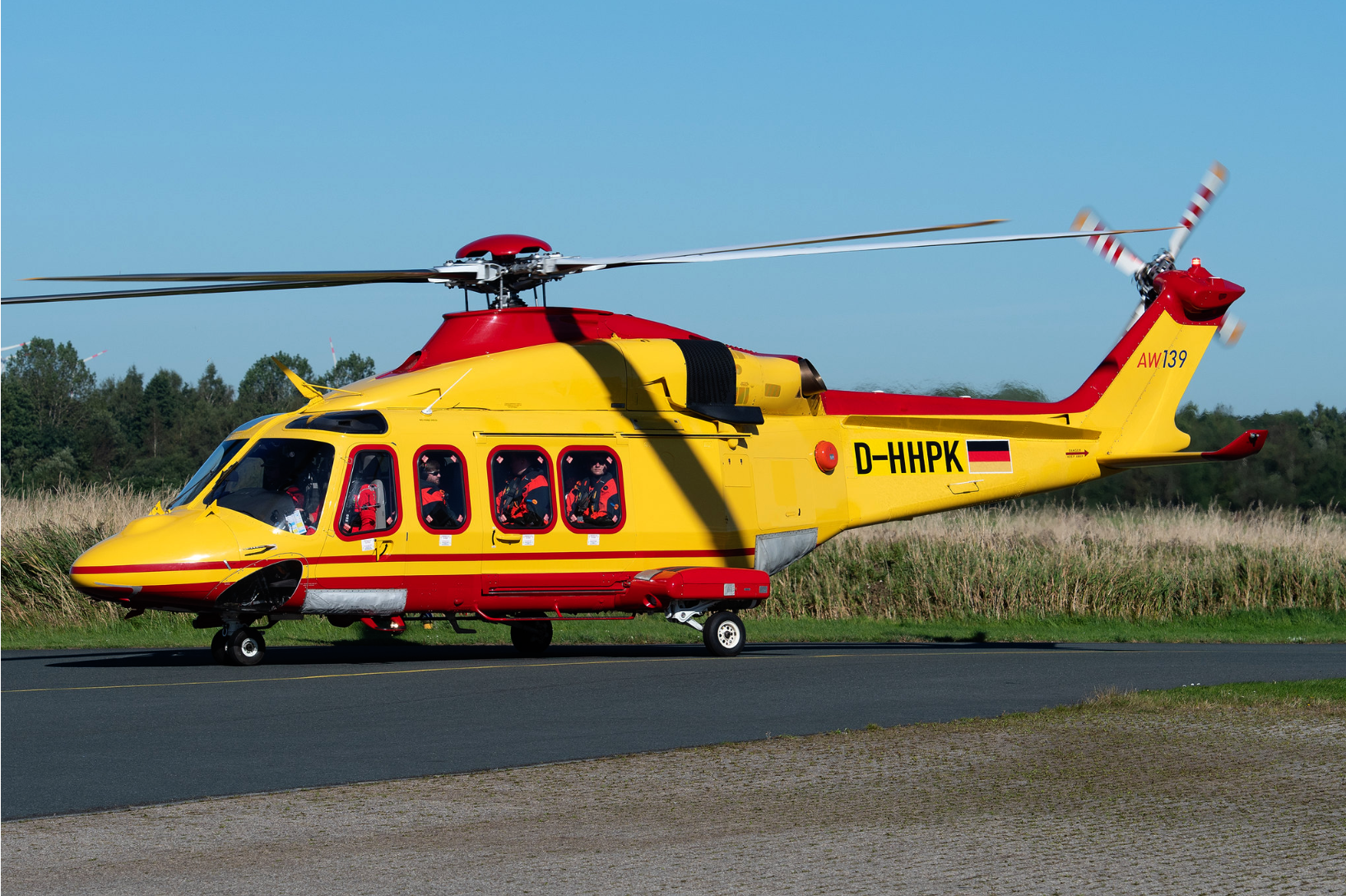
The final leg to an offshore platform is almost always rotary wing. Common types used in the North Sea, Gulf of Mexico, and Asia Pacific operations include the AW139, Sikorsky S-92, and Airbus H175. Each installation has approved aircraft types based on the installation's helideck certification. Aircraft type approval for the specific installation must be confirmed before selection, not after. The trade-offs around rotorcraft operations versus fixed-wing shape the planning logic for any mission that includes an offshore leg.
Onshore transit: fixed wing
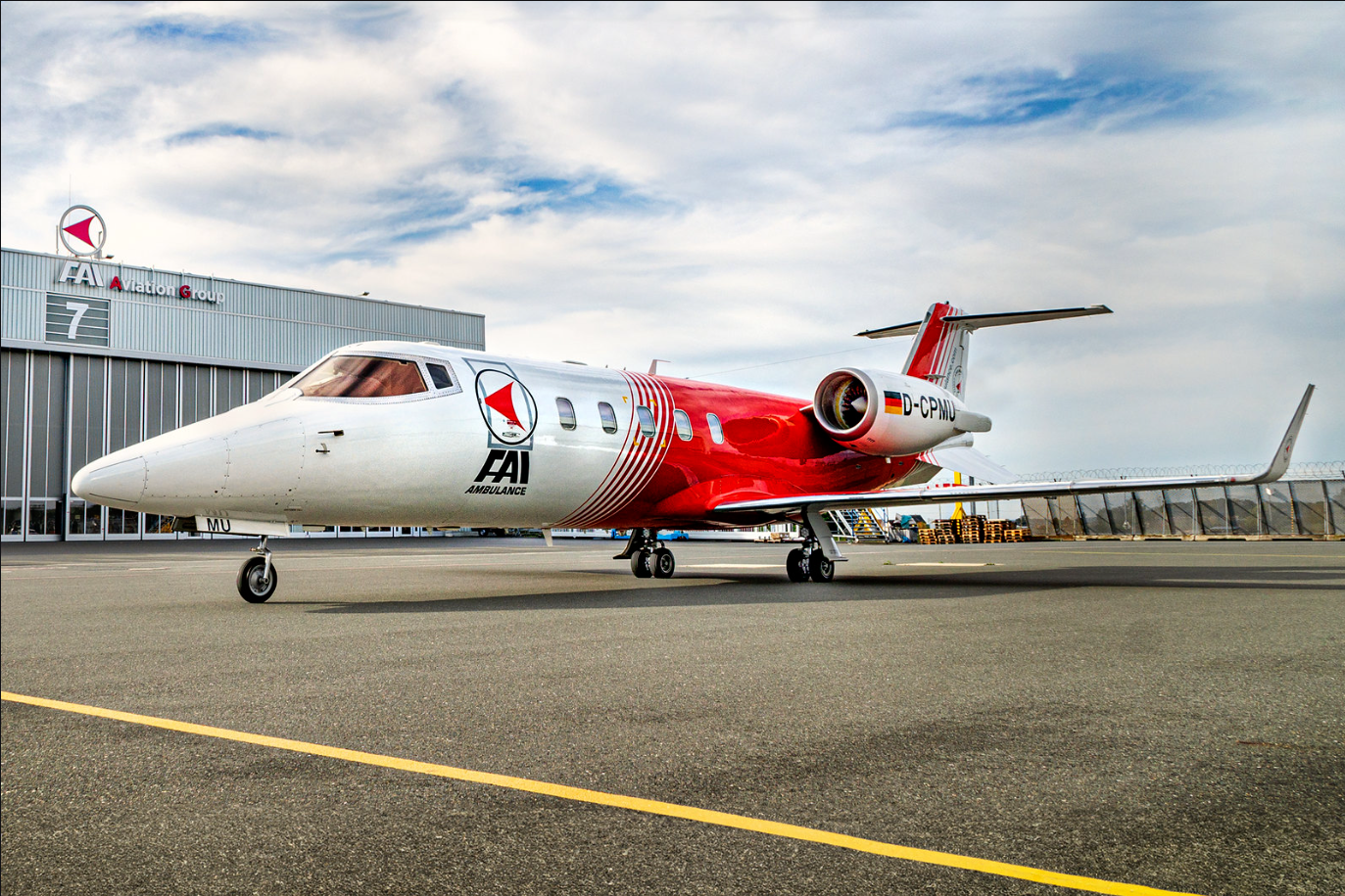
For longer onshore transits between the mobilisation hub and the departure point for offshore legs, fixed-wing aircraft handle the passenger volume efficiently. Turboprop aircraft (the ATR 72 or Dash 8 variants) are common for crew rotation transits of 1-3 hours. For larger crew changes at major energy hubs, narrow-body jets are used. The passenger aircraft options used in these transits vary based on group size, route length, and the field infrastructure available at each end.
Remote site operations: short take-off capability
Some remote upstream sites operate from airstrips that do not meet commercial airline minimum runway specifications. Aircraft with short take-off and landing (STOL) capability (Cessna Caravan, Viking Twin Otter) serve these locations where commercial aviation has no presence. Our aircraft guide for special mission types covers the capabilities and operational profiles of these less-common platforms.
Documentation and Crew Requirements
Oil and gas crew rotation aviation has documentation requirements that differ from standard charter:
Offshore medical certificates: Personnel travelling to offshore installations typically need a valid offshore medical. Offshore Survival Training (BOSIET, HUET) records are also a standard pre-boarding requirement. These need to be confirmed against the crew manifest before departure, not at the gate.
Security and access documentation: Some installations require personnel to be registered in the operator's crew management system before travel is authorised. This needs to be coordinated with the operator's logistics team at brief stage.
Dangerous goods: Crew transporting personal equipment, tools, or materials subject to DG classification need DG documentation prepared and pre-declared. This applies even to relatively minor items like lithium batteries for specialist equipment.
Passport and visa compliance: For international crew rotations, particularly in West Africa, the Middle East, and Southeast Asia, visa requirements and passport validity must be confirmed for every individual on the manifest. Entry problems at destination have significant cost implications.
The documentation set sits alongside the operational brief. We've covered what your broker needs to build an accurate quote for any complex charter, and crew rotation sits firmly in that complex category.
Planning the Rotation: What Changes When You Are Coordinating Multiple Sites
Single-site crew rotation is logistically manageable. Multi-site coordination, where one aircraft or one set of crew movements serves multiple platforms or remote sites in sequence, requires a more structured planning approach.
The key planning variables in multi-site rotation:
- Rotation schedule alignment: Different sites may have different crew change frequencies (14/14, 28/28, or bespoke). Aligning aviation logistics across multiple schedules requires a coordinated planning calendar.
- Aircraft utilisation: Positioning the aircraft efficiently between sites reduces dead-leg cost and keeps utilisation high enough to maintain cost-effectiveness. The same route feasibility variables that affect aircraft positioning on cargo work apply to multi-site crew rotation programmes.
- Contingency capacity: When one site's departure window shifts due to weather or operational delay, the knock-on effect on subsequent sites needs to be managed in real time.
For operators managing multiple sites from a single aviation contract, establishing a dedicated aviation coordinator with real-time communication into the operator's logistics team prevents the improvised problem-solving that creates cost and delay. This mirrors the structured planning approach across stakeholder groups used in any operation where multiple decision-makers and timelines need to be held in sync.
Frequently Asked Questions
What aircraft types are used for offshore crew rotation?
For offshore oil and gas operations, helicopters are typically used for the final leg to the platform, with fixed-wing aircraft for longer onshore transits. Common helicopter types include the AW139, H175, and S-92. Aircraft type approval for the specific installation is a regulatory requirement that must be confirmed before selection.
How far in advance should crew rotation charters be planned?
For recurring rotations, aircraft are often secured on longer-term ACMI leasing agreements rather than sourced per-rotation. Lead time for a one-off or unplanned rotation is typically 24-72 hours for regional operations, longer for remote locations with limited operator coverage.
What documentation do offshore crew need for charter flights?
Documentation requirements depend on the crew nationality, the flag state of the installation, and the destination jurisdiction. Offshore medical certificates, safety training records (BOSIET/HUET), and any applicable visas need to be confirmed before departure.
Can charter handle crew rotations across multiple locations?
Yes. For operators running multiple offshore assets or remote sites, coordinated charter can manage rotation logistics across a portfolio. This typically involves scheduling aircraft across locations, coordinating crew swap timing, and managing contingency capacity across the programme.
Get in touch with any questions about your air charter needs