“How much does it cost to hire a private jet?” remains the most-asked question in charter, and the most vaguely answered. The honest reply is that it depends — on aircraft category, route, timing and positioning — but “it depends” is not useful when you are trying to budget.
So here are the numbers. The ranges below reflect the UK and western European charter market in 2026. They are indicative rather than quotes and can swing significantly by day, season and demand: your route, dates and aircraft availability will move the final figure. Euro equivalents are shown alongside each sterling figure and are approximate. For the mechanics behind the pricing — why brokers quote the way they do — see our guide to private jet charter pricing.
Hourly rates by aircraft category
Charter pricing is built on an hourly rate for the aircraft plus fixed costs for each flight. Typical 2026 hourly ranges in the UK market:
- Turboprop (e.g. Pilatus PC-12, King Air): £1,600–£2,800 / €1,900–€3,300 per hour. Best value for short sectors and smaller airfields.
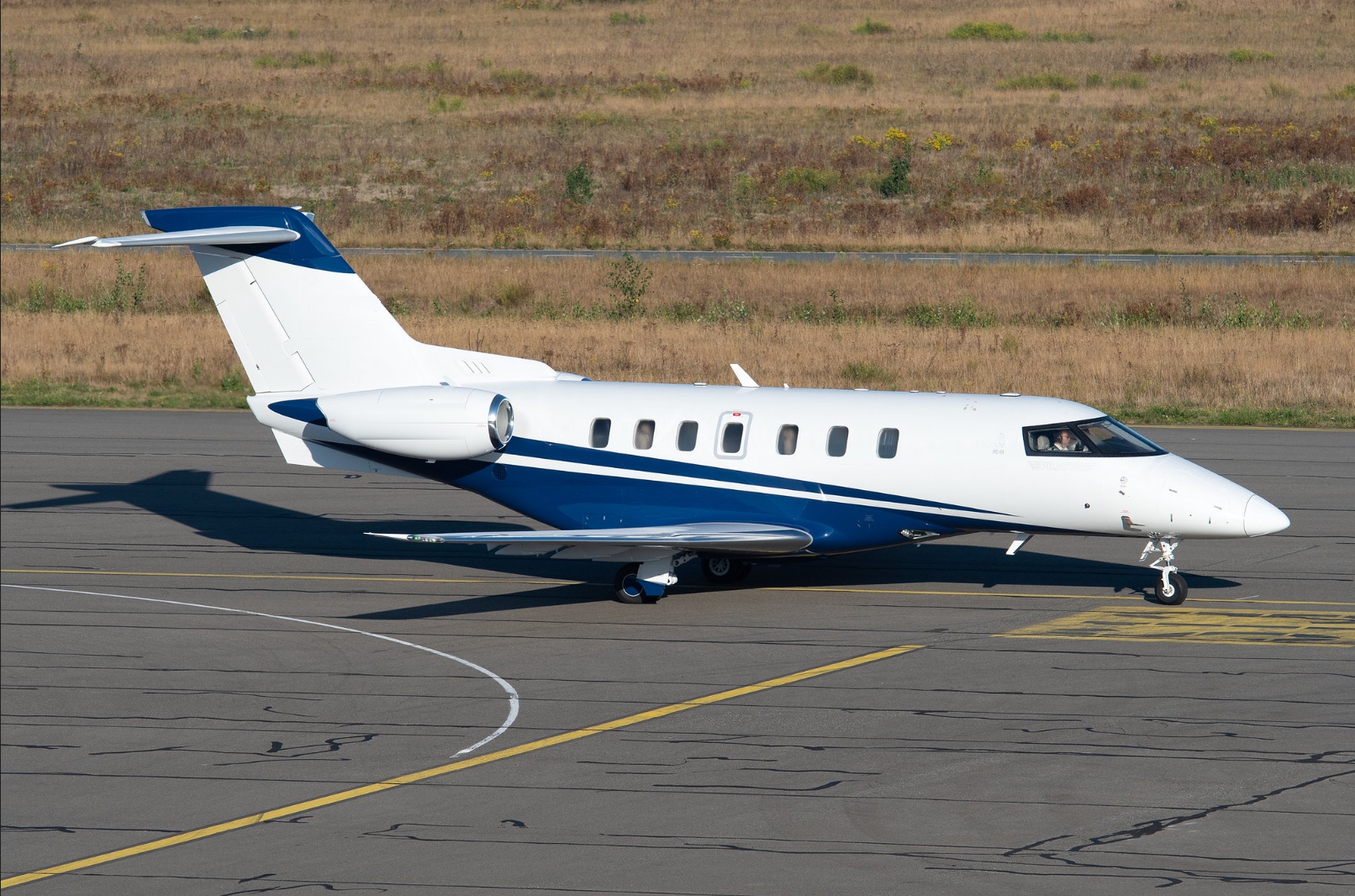
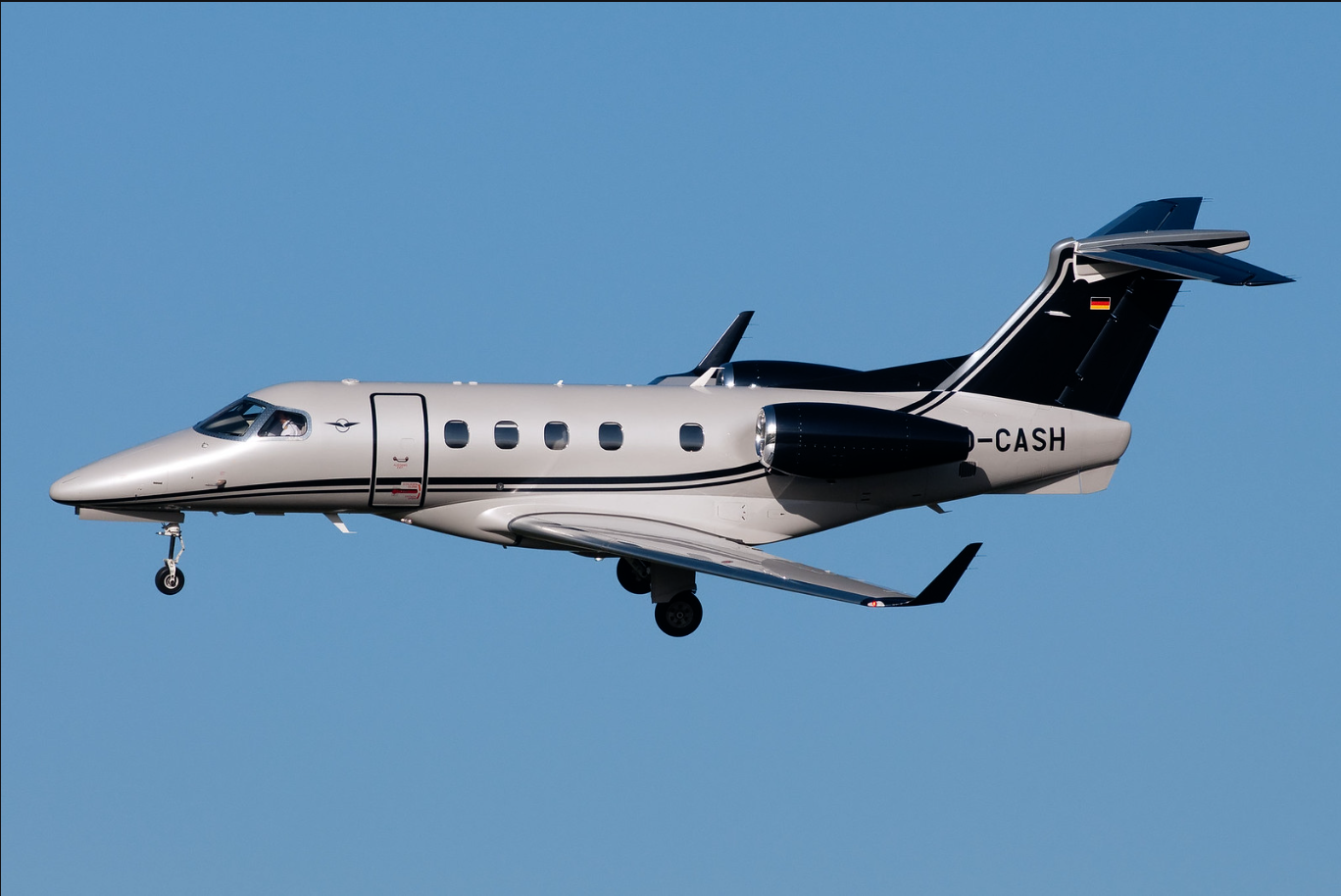
- Very light and light jets (e.g. Citation CJ2–CJ4, Phenom 300): £2,800–£4,500 / €3,300–€5,300 per hour. The workhorses of UK–Europe business travel.
- Midsize and super-midsize (e.g. Citation XLS, Challenger 350): £4,500–£7,000 / €5,300–€8,200 per hour. More cabin, more range, transcontinental capability.
- Heavy jets (e.g. Challenger 650, Falcon 900, Gulfstream G450): £7,000–£11,000+ / €8,200–€12,900+ per hour. Intercontinental range and full-service cabins.
- Ultra-long-range (e.g. Global 7500, Gulfstream G650): £11,000–£16,000+ / €12,900–€18,700+ per hour.
A useful rule of thumb: the aircraft you need is set by your longest sector and largest group, not by your average trip. Our private aircraft guide walks through the categories in detail.
Three worked examples
Real journeys make the ranges concrete. Indicative one-way prices for a light jet with four to six passengers in 2026:
- London–Nice (around 2 hours): roughly £9,000–£14,000 / €10,500–€16,400 depending on aircraft positioning and season. Summer weekends sit at the top of the range.
- London–Geneva (around 1 hour 40): roughly £8,000–£12,500 / €9,400–€14,600. Ski-season Saturdays are the most contested slots in Europe; book early.
- London–Amsterdam (around 1 hour): roughly £6,500–£9,500 / €7,600–€11,100. Short sectors carry proportionally more fixed cost per flight hour.
Note that a return flown on the same day is usually far less than double the one-way price, because the aircraft does not need to reposition twice.
The costs quotes sometimes leave out
When one quote looks conspicuously cheaper than the rest, a line item is usually missing. Check whether your quote includes:
- Positioning — flying the aircraft from its base to your departure airport, often the largest hidden variable.
- De-icing — winter operations can add £1,500–£8,000 / €1,800–€9,400 to a single departure; see our de-icing explainer.
- Passenger taxes — including UK Air Passenger Duty at private rates and France's private jet passenger tax of €210–€2,100 per passenger on French departures.
- Peak-day and short-notice surcharges, airport slot fees at congested fields, and catering beyond the standard offering.
Budgeting for a year of flying
If you charter more than occasionally, budget at the annual level rather than trip by trip. Take your realistic trip list for the year, price each at the mid-point of the ranges above, and add a 10 to 15 per cent contingency for peak-date premiums and winter operations. That figure lets you compare charter honestly against alternatives — jet cards, memberships, or simply flying scheduled business class on the routes where charter adds little. It also changes the conversation with your broker: a known annual pattern lets us match you to operators whose aircraft basing fits your routes, which reduces positioning cost across every trip rather than negotiating each one from scratch.
What actually drives your final price
Beyond the hourly rate, five factors move a quote most. Positioning: if the nearest suitable aircraft is based two hours from your departure airport, you effectively fund that flying, so route-to-base matching is where a broker earns their fee. Timing: peak days — Friday evenings, school-holiday Saturdays, event weekends — compress supply and lift prices by 10 to 30 per cent. Airport choice: handling, slots and parking vary widely; a departure from Farnborough or Biggin Hill often prices differently from the same sector out of a congested hub. One-way versus return: same-day returns use the aircraft efficiently, while one-ways carry repositioning unless they can be matched with other demand. And notice: booking early does not guarantee the lowest price, but booking late in peak season reliably guarantees a higher one, because the economical aircraft sell first.
Understanding these levers is more useful than memorising rates, because they are the parts you can actually influence when planning a trip.
Frequently asked questions
Is it cheaper per person for a group?
Often, yes. Eight passengers sharing a midsize jet on a European sector can approach business-class fares per seat while saving hours of total journey time.
Do prices include VAT?
Quotes should state this explicitly. VAT treatment varies with routing — many international sectors are zero-rated, while domestic UK flights generally are not. Ask, and get it in writing.
Are empty legs really cheaper?
Genuinely, yes — typically 25 to 50 per cent below an equivalent charter — but with schedule risk attached, since the flight exists only because of someone else's booking.
How to keep the cost down without cutting corners
Flexibility is worth real money. Moving a departure by a few hours can avoid a positioning flight; using Farnborough or Biggin Hill instead of a congested slot-controlled airport can save both time and fees; and empty legs offer genuine discounts if your dates are soft. Booking earlier helps most in school holidays and around major events, when the cheapest suitable aircraft sell first.
Finally, compare like with like. A private charter competes with first- and business-class travel on total journey time and productivity, not just on the invoice — a comparison we set out in private jet vs first class.
For a firm price on a specific route, request a quote with your dates, passenger count and preferred airports, and we will respond with real availability rather than a range.
Get in touch with any questions about your air charter needs