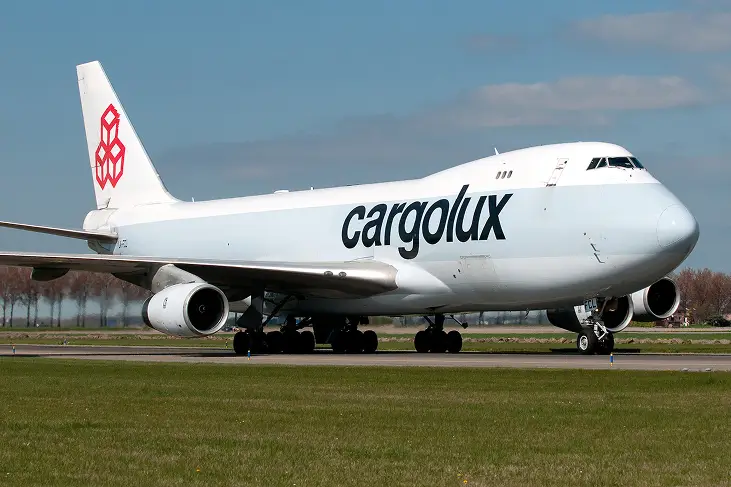
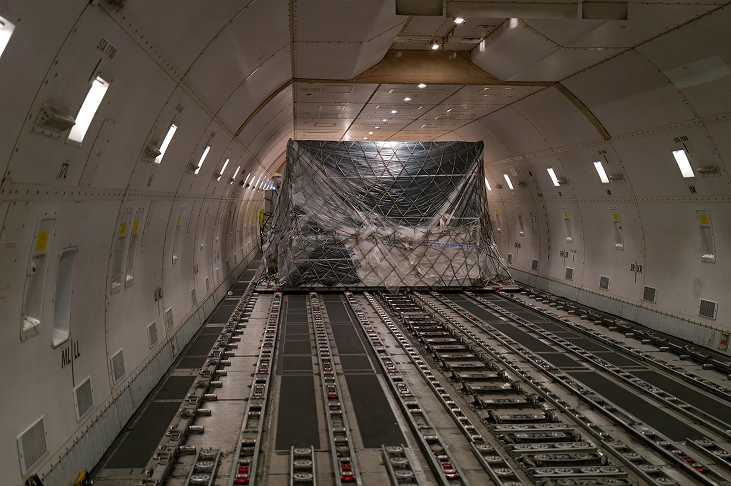
When a disaster strikes, commercial freight networks are often the first things to fail. Scheduled cargo services are diverted, ground infrastructure is damaged, and demand for suitable aircraft surges overnight. For NGOs and humanitarian organisations, air cargo charter becomes the only reliable pathway to get aid where it's needed.
But sourcing an aircraft is only part of the challenge. The missions that succeed are built on planning.
Why Commercial Freight Routes Break Down in Crises
Standard freight networks rely on predictable infrastructure: functioning airports, ground handling teams, customs clearance systems, and fuel availability. A major disaster disrupts all of these at once.
After the 2023 earthquake in Turkey, airports in the affected region saw dramatic increases in traffic while ground handling capacity was severely compromised. Organisations without prior coordination arrangements faced delays measured in days, not hours.
Charter removes the dependency on scheduled networks. You choose the routing, the aircraft, and the timing. But that flexibility only translates into effective delivery if the planning behind it is sound. This is where understanding the operational environment matters as much as the aircraft itself.
For a deeper look at how cargo charter works in urgent scenarios, our air cargo charter operations guide covers the core decision framework.
The Planning Decisions That Determine Mission Success
Aircraft selection based on what's actually on the ground
The instinct is often to source the largest aircraft available to maximise the volume of aid in a single flight. In many cases, that's the wrong call.
A damaged or short runway at a regional airport may only accept turboprop aircraft. A conflict-affected area may restrict access to specific aircraft nationalities or operators. The absence of proper loading equipment means you need an aircraft with its own ramp and cargo handling systems.
Understanding these constraints before selecting an aircraft saves critical time. Key planning questions include:
- What is the available runway length at the destination? Many regional airports accept only aircraft requiring under 1,800 metres
- Is the airport able to handle wide-body freighters, or are medium freighters like the ATR 72F more appropriate?
- What ground handling is realistically available, and does the aircraft need to be self-sufficient?
- Are there any operator nationality restrictions or bilateral air access limitations?
For missions requiring access to areas without conventional runways, helicopter cargo charter offers options that fixed-wing aircraft simply cannot.
Cargo sequencing: not all aid is equal
A common mistake in relief logistics is treating all cargo the same. The first aircraft into an affected area should typically carry what enables everything else: communications equipment, shelter materials, water purification, and medical supplies for immediate trauma care.
Sequencing decisions affect not just humanitarian outcomes but also aircraft selection and load planning. Cold chain pharmaceutical cargo requires specific temperature controls and loading configurations. Bulky items like shelter systems need volumetric capacity over weight capacity. Dangerous goods, including certain medical supplies and fuel, require aircraft with the correct approvals and crew training.
Getting this sequencing right at the brief stage avoids costly last-minute changes to aircraft type, routing, or loadout.
Airspace access and overflight permissions
Conflict zones and politically sensitive areas add a layer of complexity that most logistics operators are not equipped to navigate. Obtaining overflight permits in restricted airspace, coordinating with military air traffic control, and securing landing rights in areas not covered by standard bilateral agreements all require established relationships and experience.
Fliteline has coordinated missions including the 2021 Kabul evacuation operations, the 2023 earthquake relief in Turkey, and cargo support to Sudan, Haiti, and Mali. Each involved navigating different access challenges with different authorities. That accumulated experience shapes how we approach airspace and permit planning from the first call.
What to Prepare Before You Contact a Charter Broker
The faster an organisation can answer these questions, the faster a mission can be activated:
- Cargo manifest: What are you carrying, in what quantities, and what are the weight and volume figures?
- Dangerous goods: Are any items classified as hazardous under IATA regulations?
- Destination airport: What is the ICAO code, the runway length, and the current operational status?
- Timing: Is this a one-time flight or a series of lifts over days or weeks?
- Handling arrangements: Who is responsible for loading and offloading at each end?
- Funding source: Are there any procurement rules (UN, EU, government) that affect operator selection?
Having this information ready means a broker can source aircraft and confirm routing within hours rather than starting the process from scratch.
For organisations new to air cargo charter, our post on common mistakes when booking cargo charter flights covers the errors that cause the most delays in time-critical situations.
How Fliteline Supports Humanitarian Missions
Fliteline works with NGOs, UN agencies, and government emergency response teams across all phases of humanitarian logistics. Our role goes beyond finding an available aircraft. We help organisations think through the operational plan: which aircraft fits the mission profile, how to sequence multiple lifts, how to manage permits and ground handling in disrupted environments, and how to adapt quickly when conditions change on the ground.
We can also coordinate the connection between air freight and last-mile delivery, working with ground logistics partners where road access is limited. You can learn more about our specific humanitarian aid services on our NGO and relief sector page and through our broader cargo charter service.
For missions that extend beyond cargo into evacuations or specialist personnel transport, our special mission charter capabilities cover those requirements too.
Frequently Asked Questions
How quickly can a humanitarian cargo charter be arranged?
In many cases, an aircraft can be identified and mobilised within 12 to 24 hours for urgent missions. The speed depends on cargo manifest readiness, destination airport status, and overflight permit requirements. Having your cargo details and destination information prepared before making contact significantly reduces activation time.
Can charter aircraft access airports that commercial freight cannot?
Yes. Charter gives you direct access to regional and secondary airports that scheduled cargo services don't serve. Aircraft can also be selected specifically for short or unpaved runways, where turboprop freighters or helicopters are more appropriate than wide-body jets.
What types of cargo can humanitarian charters carry?
Most cargo types are accommodated, including general supplies, medical equipment, shelter materials, vehicles, and cold chain pharmaceutical items. Dangerous goods such as fuel, certain chemicals, and some medical supplies require specific aircraft approvals and documentation, which a broker handles as part of the mission planning process.
Do you work with UN procurement rules?
Yes. We're experienced in working within UN, EU, and government procurement frameworks that govern operator selection, documentation requirements, and billing processes. If your organisation has specific procurement constraints, we factor these into aircraft sourcing from the start.
What happens if conditions at the destination change after a flight is confirmed?
Flexibility is one of the core advantages of charter. Routing, timing, and aircraft can be adjusted as the situation develops. We stay in contact throughout the mission and can adapt quickly if airport access changes, cargo requirements shift, or additional lifts are needed.
If your organisation is planning a humanitarian cargo mission or needs to understand options for a specific destination, we're happy to work through the logistics with you. Contact the Fliteline team to discuss your requirements.
Get in touch with any questions about your air charter needs