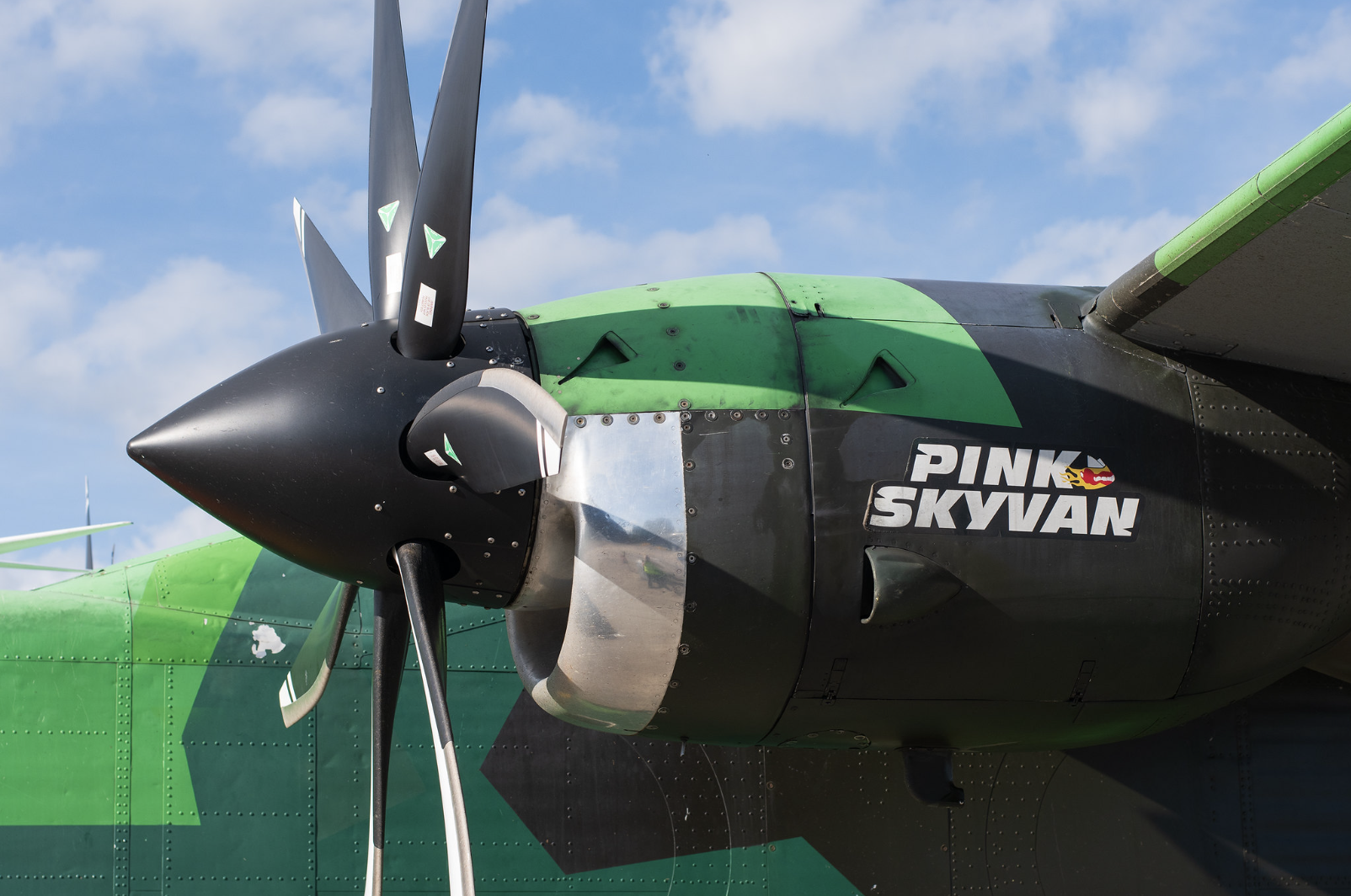
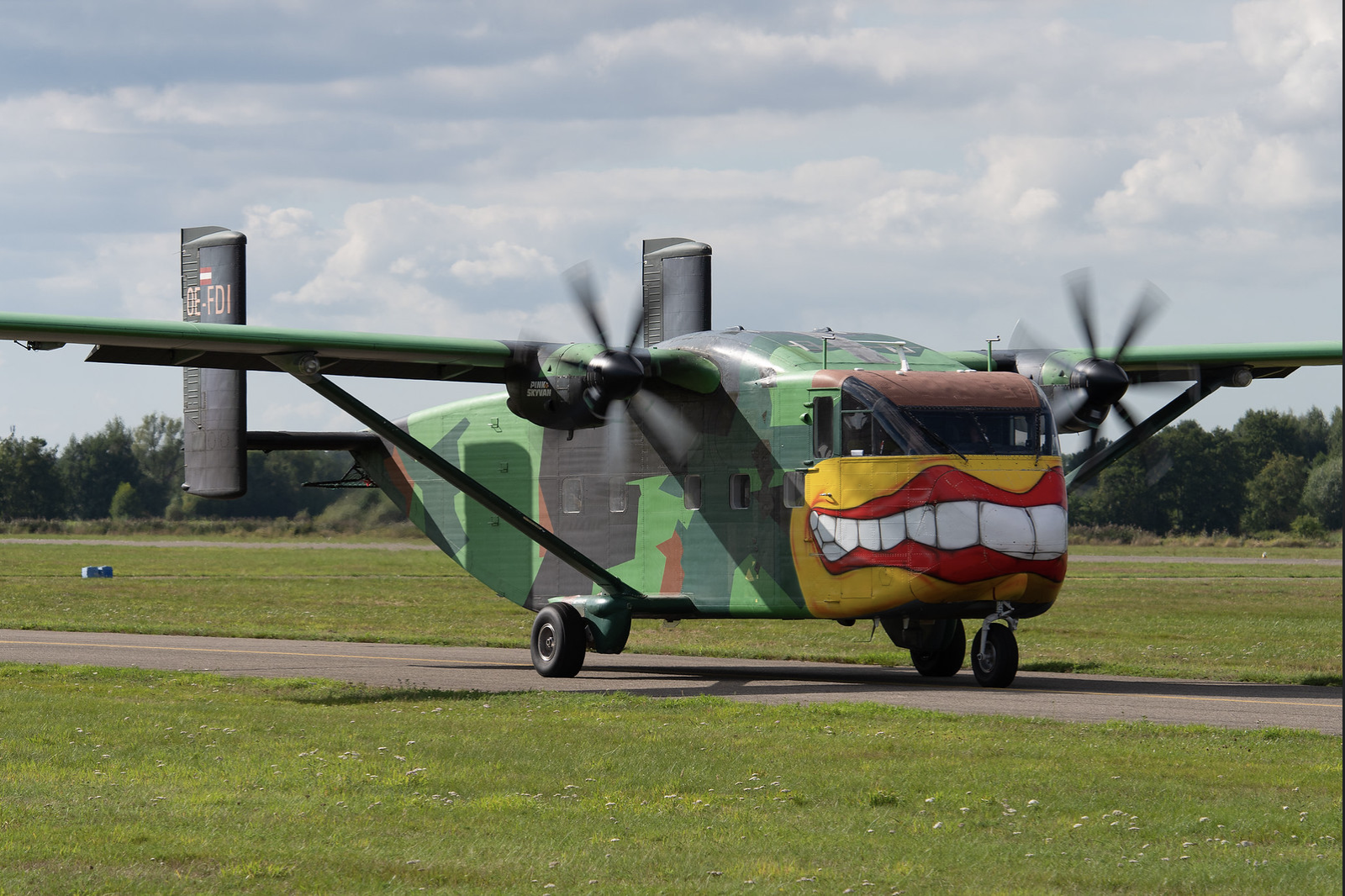
An aircraft on ground — AOG — is the most expensive kind of stillness in aviation. A grounded narrowbody can cost an airline tens of thousands of pounds a day in lost revenue, passenger reaccommodation and knock-on schedule disruption; a widebody, considerably more. The part that fixes it might weigh 40 kilograms.
That asymmetry is the entire logic of AOG charter: when the cost of the ground time dwarfs the cost of a dedicated aircraft, chartering one to move the part is not an extravagance, it is the cheapest available option. Here is how it works in practice.
The first hour matters more than the flight
A well-run AOG response runs four workstreams in parallel from the first phone call:
- Part location and release — confirming which warehouse or pool actually holds a serviceable unit, and how quickly it can be released and packed.
- Customs pre-clearance — export and import paperwork prepared while the part is still on the shelf, so the border is a formality rather than a hold.
- Aircraft sourcing — matching the part's dimensions and weight to the nearest suitable aircraft, from a light jet with a removed seat to a feeder freighter.
- Crew duty and permits — checking that the sourced aircraft's crew can legally fly the full routing today, not just start it.
If any one of these starts an hour late, the whole timeline slips by an hour. This is why the quality of the first call matters so much — a theme we covered generally in optimising urgent air cargo workflows.
On-board courier, charter, or next flight out?
Not every AOG needs a dedicated aircraft, and an honest broker will say so. The decision tree is simple. If the part fits in checked baggage or hand luggage and a suitable scheduled connection exists, an on-board courier (OBC) — a person escorting the part on a scheduled flight — is often fastest and cheapest. If the part is too large, too heavy, classified as dangerous goods (many aircraft components are, from oxygen generators to batteries), or the scheduled network cannot make the timing, a dedicated charter takes over. The break-even is not a fixed price; it is whichever option returns the aircraft to service soonest at acceptable cost.
For engines, landing gear and other outsize components, the choice narrows quickly to freighters with the right door and floor limits — the same four constraints that govern all cargo aircraft selection.
Realistic response times
Within Europe, a light aircraft or feeder freighter can typically be airborne three to six hours from confirmation, assuming the part is released promptly and permits are simple. Intercontinental AOG movements are governed less by aircraft availability than by customs and overflight permissions; 12 to 24 hours door-to-door is a realistic planning figure for most long-haul lanes, faster on well-trodden corridors.
The biggest schedule risks are not aviation risks at all: a part that turns out to be unserviceable on inspection, a warehouse that cannot release outside office hours, or missing export paperwork. Solving those in advance is worth more than any amount of flying speed — the same just-in-time logic that applies when a production line is waiting.
Beyond airlines: who else uses time-critical charter
The AOG playbook applies well beyond aviation. Manufacturing lines waiting on a failed press component, energy operators with turbines down, shipping lines with a vessel held for an engine part, and film productions with immovable shoot dates all face the same arithmetic: the cost of the stoppage versus the cost of dedicated uplift. The operational pattern is identical — parallel workstreams, pre-cleared customs, precise dimensional data — and so is the lesson that preparation beats speed. If your operation has a component whose failure stops everything, it is worth knowing today which aircraft class that component needs and which airports sit nearest each end of the lane.
The cost equation, made explicit
AOG decisions become easy when the numbers are written down. Suppose a grounded narrowbody costs £60,000 / €70,000 a day in lost contribution and disruption. A dedicated feeder-freighter charter delivering the part 18 hours sooner than the best scheduled option might cost £25,000 / €29,000. The charter is not the expensive choice; the ground time is. Conversely, if the aircraft is grounded overnight at an outstation with a scheduled freight connection arriving before the maintenance window opens anyway, chartering buys nothing — the part cannot be fitted sooner than it will arrive. The comparison is always: cost of the option versus hours of ground time it genuinely removes, given when engineers can actually work.
This is why a credible AOG broker asks about the maintenance slot, not just the flight. Speed that outruns the engineering timeline is money spent on standing still slightly earlier.
Building AOG readiness before you need it
The airlines that recover fastest from AOG events prepare in peacetime. Practical steps: maintain a pre-agreed charter escalation contact so the first call goes to someone who already holds your handling and billing details; keep dimensional data for your commonest rotable parts on file, so aircraft matching is instant; pre-position customs broker relationships at your main outstations; and agree internal spend-approval thresholds in advance, because a £25,000 / €29,000 decision that needs three signatures at 02:00 is a decision that takes until 09:00. None of this costs anything until the day it saves twelve hours.
What your AOG desk should have ready
When the call comes, response speed is set by the information in it. Have ready: the part number and description, exact dimensions and weight including packaging, its current location and release contact, the destination airport and receiving contact, any dangerous goods classification, and who is authorised to approve the spend. With those details, a broker can return options with firm timings in minutes rather than hours — the AOG-specific version of what a broker needs for an accurate quote.
Fliteline runs AOG and time-critical movements through our cargo charter service, 24 hours a day. Bookmark this page before you need it — and when you do, contact us with the details above and we will start all four workstreams on the first call.
Get in touch with any questions about your air charter needs