Medical evacuation is the one charter service everyone hopes never to book — which is exactly why so few people understand how it works until they are arranging one under pressure. Whether the situation is a traveller taken seriously ill abroad, a patient needing specialist treatment in another country, or a planned repatriation after stabilisation, the options, costs and timelines differ enormously.
This guide explains the main medevac options calmly and practically: what each involves, roughly what it costs, and the questions insurers, assistance companies and families should ask first. It builds on our earlier look at how special mission aircraft transformed aeromedical evacuation.
The three main options
Most medical transports fall into one of three categories, in ascending order of medical capability and cost:
- Commercial medical escort — the patient flies on a scheduled airline in business or first class, accompanied by a medical professional with a portable kit. Suitable only for stable patients cleared to fly seated.
- Commercial stretcher — a section of a scheduled aircraft's cabin is converted to carry a stretcher, with medical escort. Offered by a limited number of airlines on a limited number of routes, and typically requiring several days' notice.
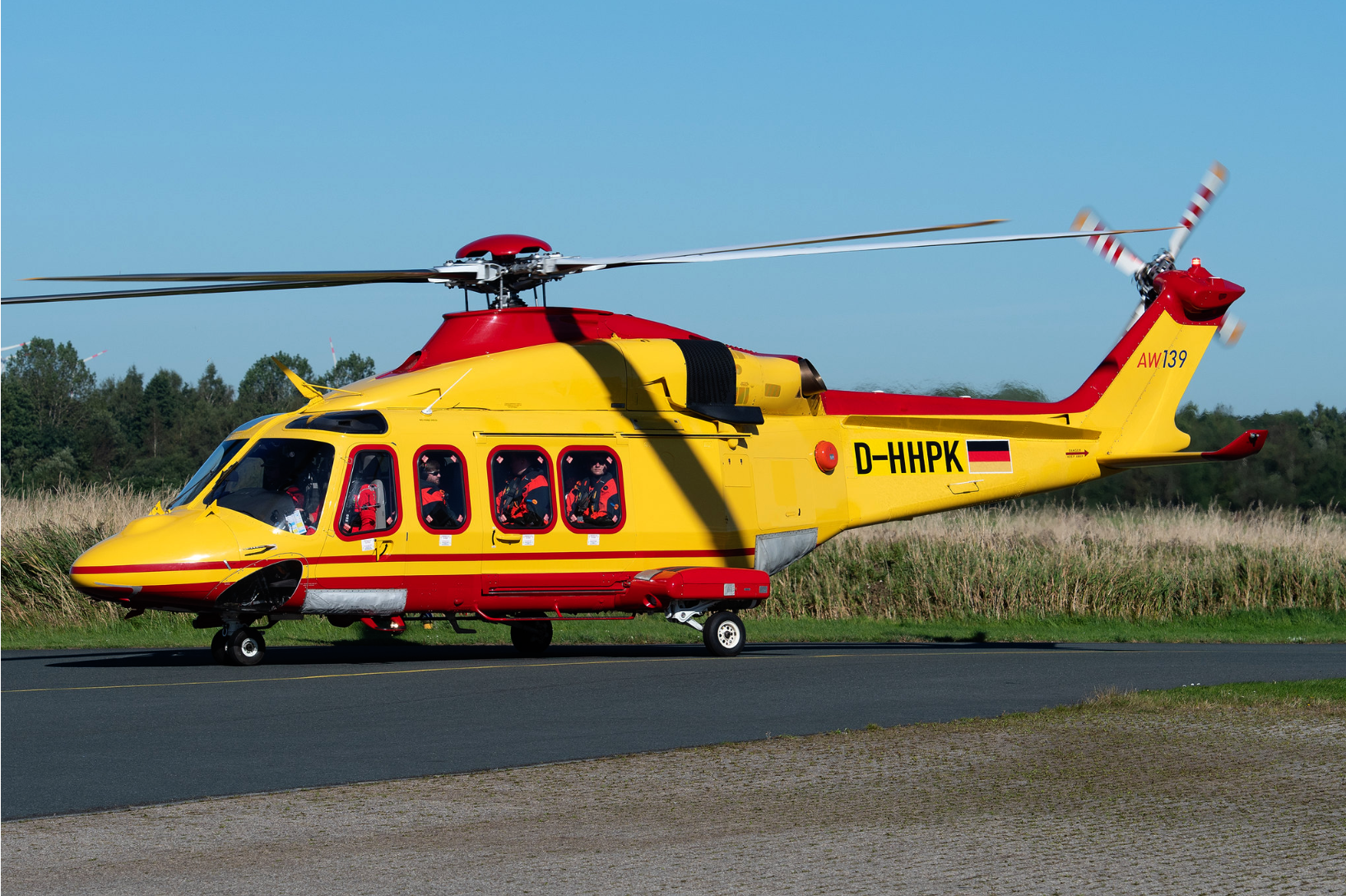
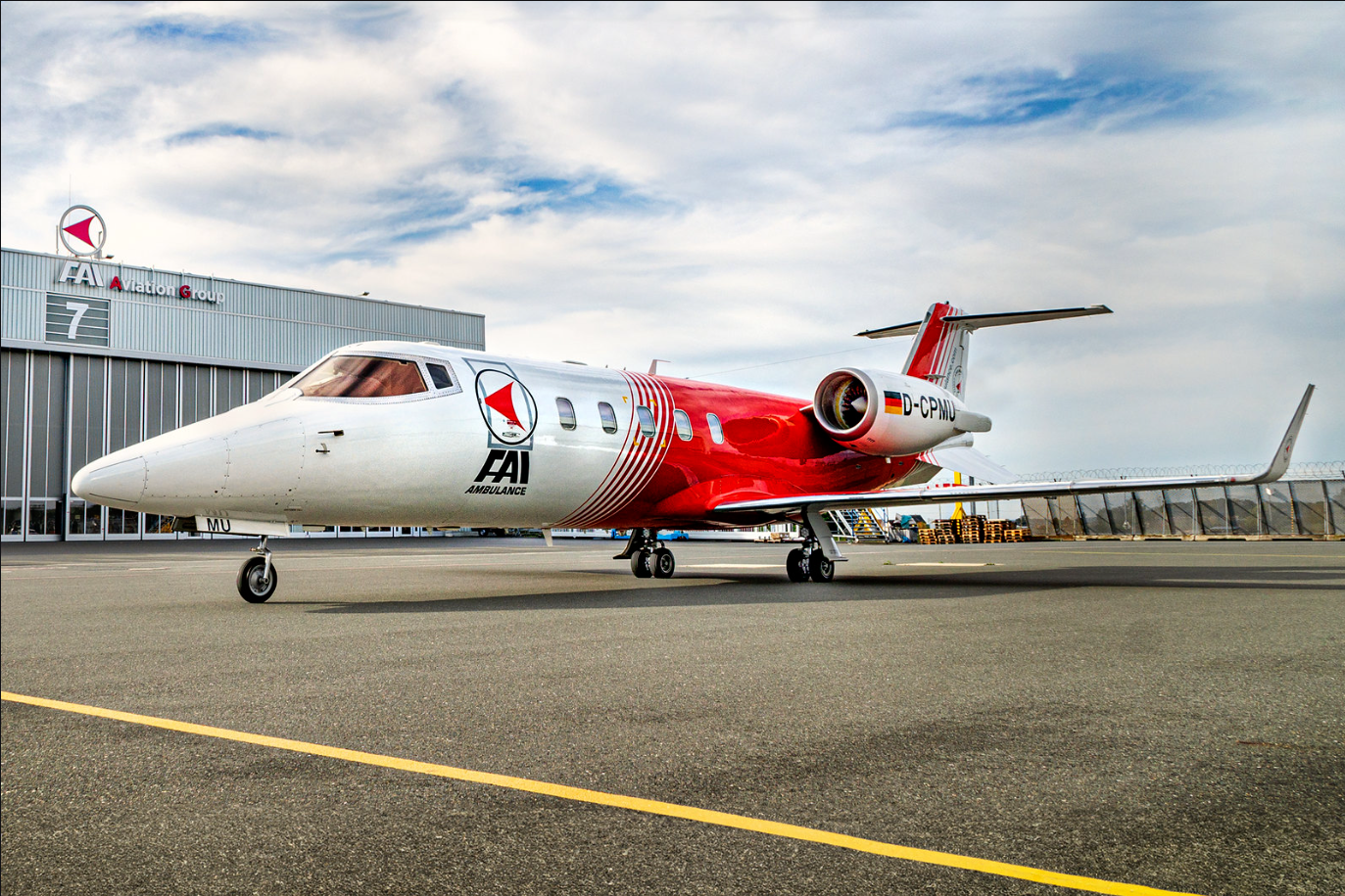
- Dedicated air ambulance — a charter aircraft fitted as a flying intensive care unit, with a specialised medical crew, staffed and routed entirely around the patient. The only option for unstable or intensive-care patients, and the fastest to arrange despite being the most complex.
The deciding factor is the patient's condition, formalised in a fit-to-fly assessment agreed between the treating physician and the flight's medical director. That assessment — not price — comes first.
What a dedicated air ambulance actually involves
A typical air ambulance is a light or midsize jet fitted with a stretcher system, oxygen, ventilator, monitoring and infusion equipment — in effect a compact ICU. The medical crew is usually a flight physician and a flight nurse or paramedic, scaled up for intensive-care transfers. The mission includes far more than the flight: ground ambulances at both ends, a bed-to-bed handover between hospital teams, and continuous care throughout. Cabin altitude, flight time and even routing are planned around the patient's condition; some conditions require the aircraft to fly at lower cabin altitudes, which changes fuel planning and sometimes the aircraft choice.
Longer-range repatriations — for example returning a patient from Asia or the Americas to Europe — may use larger aircraft or planned technical stops, coordinated so that ground time never compromises care. Aircraft options are covered in our special aircraft guide.
Realistic costs and who pays
Indicative 2026 ranges: a commercial medical escort within Europe might cost £5,000–£15,000 / €5,900–€17,600 all-in; a commercial stretcher, £15,000–£40,000 / €17,600–€46,800 depending on route and airline; a dedicated air ambulance, roughly £15,000–£35,000 / €17,600–€41,000 within Europe and £80,000–£250,000+ / €93,600–€292,500+ for intercontinental intensive-care repatriation. Distance, aircraft type, medical crew requirements and permits drive the spread.
Who pays matters as much as the number. Comprehensive travel insurance with adequate medical evacuation cover is what usually funds these missions; assistance companies coordinate on the insurer's behalf. Families paying privately should insist on a fully itemised quote covering ground transport, medical crew, equipment and handling at both ends — a credible provider will supply one without being asked.
How a mission comes together, hour by hour
A typical European air ambulance mission runs like this. Hour zero: the enquiry arrives with the patient's location, condition summary and destination. Hours one to three: the provider's medical director reviews the medical report and speaks with the treating physician; in parallel, aircraft and medical crew availability are confirmed and a firm quote is issued. Hours three to six: the insurer or family authorises, permits and slots are filed, ground ambulances are booked at both ends, and the receiving hospital confirms bed availability — the step that most often sets the timeline. Departure commonly follows within 12 to 24 hours of first contact for intra-European missions; intercontinental repatriations typically need 24 to 72 hours, driven by permits, crew duty planning and receiving-hospital coordination.
Families are often surprised that the receiving bed, not the aircraft, is the pacing item. A patient cannot be flown to a hospital that has not accepted them, so confirming the destination early accelerates everything else.
Insurance, authorisation and avoiding the common traps
Three traps recur. First, assuming the insurer will pay before authorisation is given — always obtain written confirmation of cover and of the approved transport mode, because an insurer may authorise a commercial stretcher where the family expected an air ambulance. Second, fragmented coordination: when the family, the treating hospital and the assistance company each contact providers separately, quotes multiply and timelines stall; appoint one coordinator. Third, unrealistic urgency in both directions — some cases genuinely need wheels-up tonight, while for stable patients a 24-hour delay that secures the right receiving specialist is clinically better. A provider who pushes back on your timeline for clinical reasons is usually the provider to trust.
The questions to ask first
Whether you are an insurer, an assistance coordinator or a family member, the same questions cut through:
- Has a fit-to-fly assessment been completed, and by whom?
- What medical configuration and crew does the quoted aircraft carry, and is it appropriate to the patient's condition?
- Is the mission bed-to-bed, including ground ambulances and hospital handover at both ends?
- What are the realistic timelines for permits and slots on this specific routing?
- What happens if the patient's condition changes before departure?
Fliteline arranges medical evacuation and repatriation charters worldwide through our special missions service, with flight support handling permits and ground coordination. If you are facing this decision now, contact us with the patient's location, destination and medical summary, and we will set out the realistic options within hours — calmly, and in writing.
Get in touch with any questions about your air charter needs